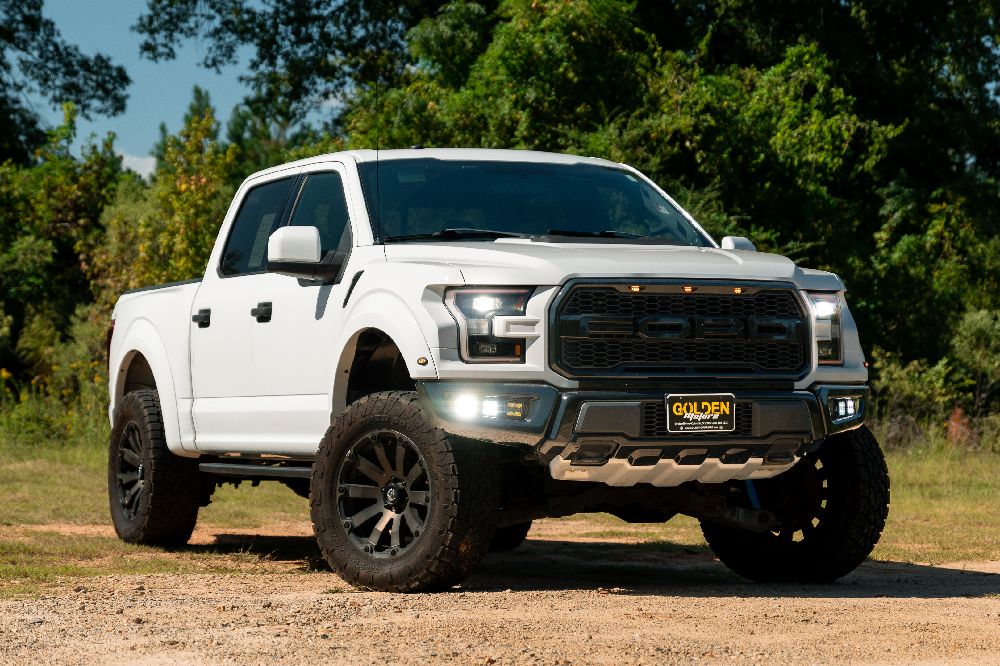
Before every off-road trip, there’s one upgrade that costs nothing but can save you hundreds in repairs: a thorough pre-trip inspection. Even the most capable trucks can break down or get damaged if key systems aren’t checked ahead of time. Whether you’re heading to a local trail or on an overlanding adventure, this quick checklist ensures your truck is ready for whatever the trail throws your way.
What You’ll Learn in This Guide
In this article, we’ll cover:
The critical systems and components to inspect before off-roading.
How to spot common wear and tear issues before they become trail failures.
Why regular inspections improve safety, reliability, and confidence on the trail.
The essential tools and gear you should always bring along.
By the end, you’ll have a complete pre-trip inspection checklist you can follow before every off-road adventure.
1. Check Fluids and Filters
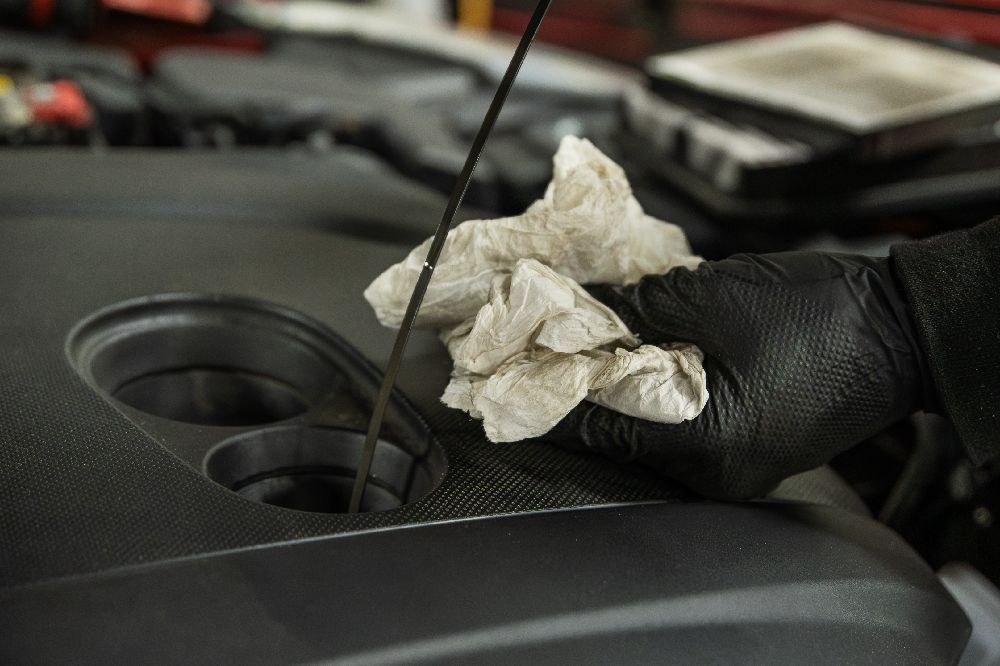
Fluids are the lifeblood of your truck, especially when it’s pushed off-road.
Engine Oil: Make sure it’s clean and at the correct level. Replace it early if you’ve recently tackled dusty or muddy trails.
Coolant: Ensure it’s full and not leaking—overheating is one of the most common off-road issues.
Transmission and Differential Fluid: Check for leaks or contamination, especially after water crossings.
Air Filter: Dust and dirt clog filters quickly—replace or clean before a long trip.
Keeping fluids fresh and filters clean ensures your truck performs reliably under stress.
2. Inspect Tires and Wheels

Your tires take the most abuse off-road, so give them extra attention.
Tread Depth: Replace worn tires before they lose grip.
Air Pressure: Adjust for terrain—lower for sand or rocks, higher for pavement.
Damage Check: Look for punctures, sidewall cuts, or bent wheels.
Lug Nuts: Tighten all to spec before heading out.
A quick tire and wheel check can prevent flats and improve traction when it matters most.
3. Examine Suspension and Steering
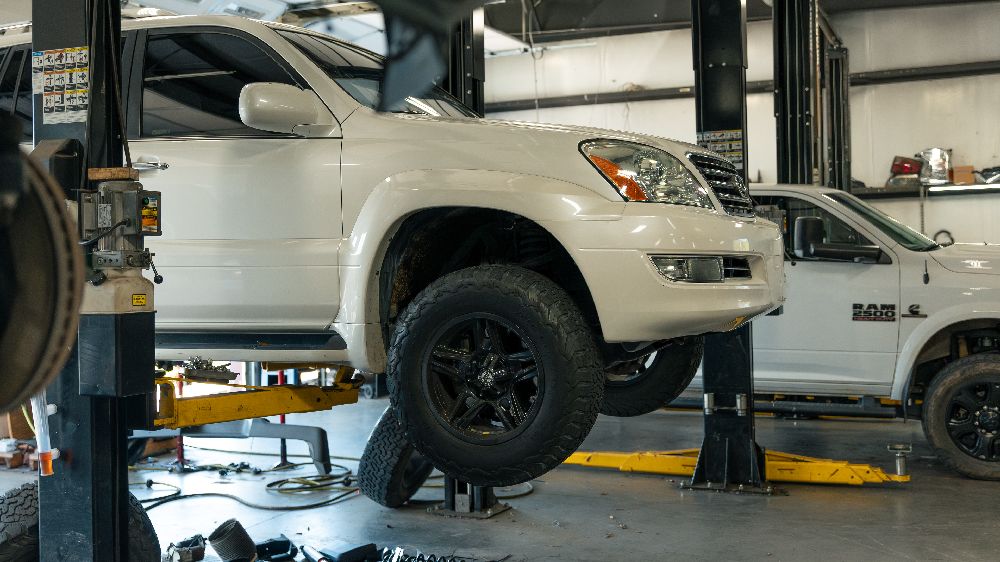
These components take a beating on rough terrain.
Shocks and Struts: Check for leaks, damage, or uneven wear.
Control Arms and Bushings: Look for cracks or looseness.
Ball Joints and Tie Rods: Wiggle test to detect play that could affect steering precision.
If something feels off, fix it before your trip—suspension failures can end a trail day early.
4. Test Brakes and Drivetrain
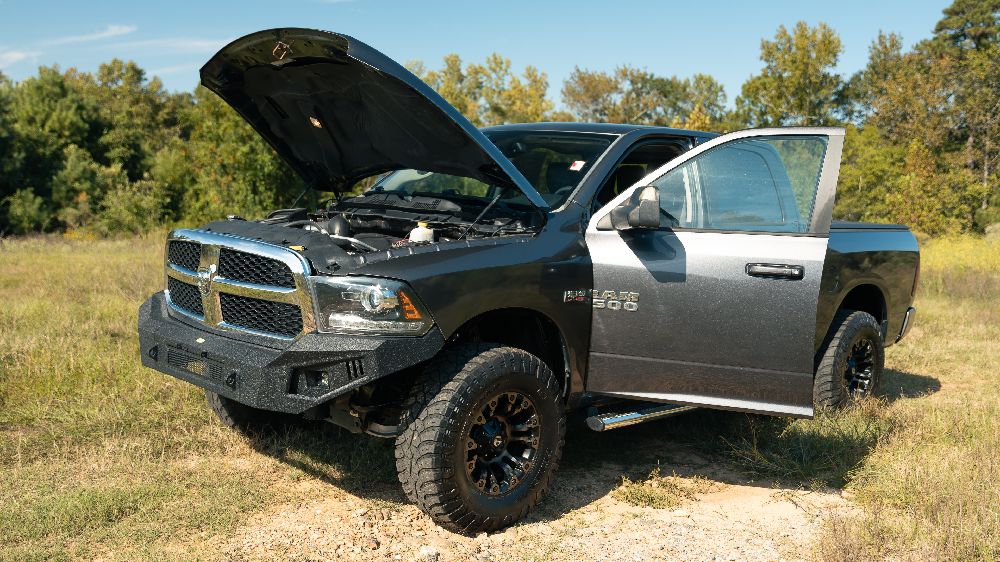
Reliable braking and drivetrain systems are critical for trail safety.
Brake Pads and Rotors: Inspect for wear and clean mud buildup.
Brake Lines: Look for cracks or leaks, especially near the calipers.
Driveline Components: Check U-joints, CV joints, and driveshafts for grease leaks or looseness.
4WD System: Engage it before your trip to ensure it works properly.
You don’t want to discover a stuck hub or failed joint halfway up a hill.
5. Review Recovery Gear and Tools
Even well-prepped trucks get stuck. Make sure your recovery gear is ready to go.
Recovery Straps and Shackles: Inspect for fraying or rust.
Winch: Test power, spool, and controls before hitting the trail.
Traction Boards: Check for cracks or wear.
Tool Kit and Spare Parts: Bring basics like sockets, pliers, fluids, and fuses.
Being prepared means small problems don’t ruin big adventures.
6. Check Lights, Battery, and Electrical Systems
Visibility and power are key for night runs or long trips.
Headlights, Fog Lights, and Light Bars: Test and clean lenses.
Battery: Tighten terminals and ensure no corrosion is present.
Wiring: Inspect light harnesses, winch lines, and accessories for exposed wires or loose connectors.
A strong electrical system keeps your accessories running and prevents trail downtime.
7. Inspect Armor and Undercarriage
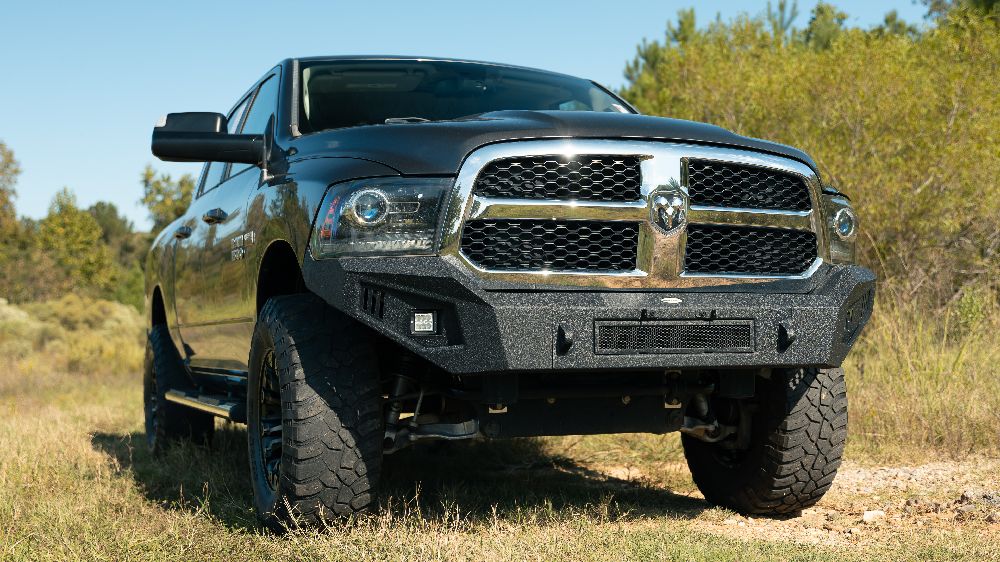
If you’ve installed skid plates or bumpers, give them a once-over.
Skid Plates: Tighten bolts and look for dents or rust.
Bumpers and Rock Sliders: Check welds and hardware.
Frame and Undercarriage: Rinse mud and inspect for cracks or rust buildup.
A clean, solid undercarriage protects your truck’s most important parts when the terrain gets rough.
8. Double-Check Safety Gear
Safety gear isn’t optional—it’s essential.
First Aid Kit: Replenish supplies.
Fire Extinguisher: Make sure it’s charged and accessible.
Radio or GPS: Test communication devices before leaving cell range.
Seatbelts and Mounts: Inspect for fraying or looseness.
Preparedness is what separates a fun trip from a risky one.
Measure Twice, Cut Once
A pre-trip inspection doesn’t just prevent breakdowns—it builds confidence. Spending a few minutes checking fluids, tires, suspension, and recovery gear can save you hours of frustration on the trail. The more you maintain and inspect your truck, the more dependable it’ll be on every adventure.
👉 At our shop, we carry everything you need to prep for your next trip—fluids, filters, recovery gear, lighting, and protection parts—so you can hit the trail with peace of mind.


