Blog posts tagged with 'all terrain tires'

Top 5 All-Terrain Tires for Daily Drivers and Weekend Off-Roaders

If your truck has to pull double duty—commuting comfortably during the week and handling trails on the weekend—all-terrain (A/T) tires are the perfect solution. They deliver a smooth ride on pavement while offering enough bite for dirt, gravel, and light mud.

But not all A/T tires are built the same. Some prioritize comfort and tread life, while others lean toward traction and durability. To help you find the right balance, here are five of the best all-terrain tires for drivers who need both daily reliability and weekend adventure.


What You’ll Learn in This Guide

In this article, we’ll cover:

  • The top-performing A/T tires for real-world use.

  • How each tire balances on-road comfort vs. off-road grip.

  • Pricing, tread life, and performance insights from long-term users.

  • Which tires make the most sense for your build and driving habits.

By the end, you’ll know exactly which all-terrain tire fits your truck, your budget, and your lifestyle.


1. BFGoodrich All-Terrain T/A KO2

A proven legend, the KO2 is one of the most recognizable names in off-road tires—and for good reason.

  • Performance: Excellent all-around traction on gravel, sand, and snow. Sidewalls are reinforced for durability and puncture resistance.

  • Comfort: Surprisingly quiet for such an aggressive tread pattern.

  • Tread Life: Up to 50,000+ miles with regular rotation.

  • Pricing: $$ – Mid-range.

  • Best For: Drivers who want maximum reliability and balanced performance.

The KO2 remains the benchmark for all-terrain tires that truly do everything well.


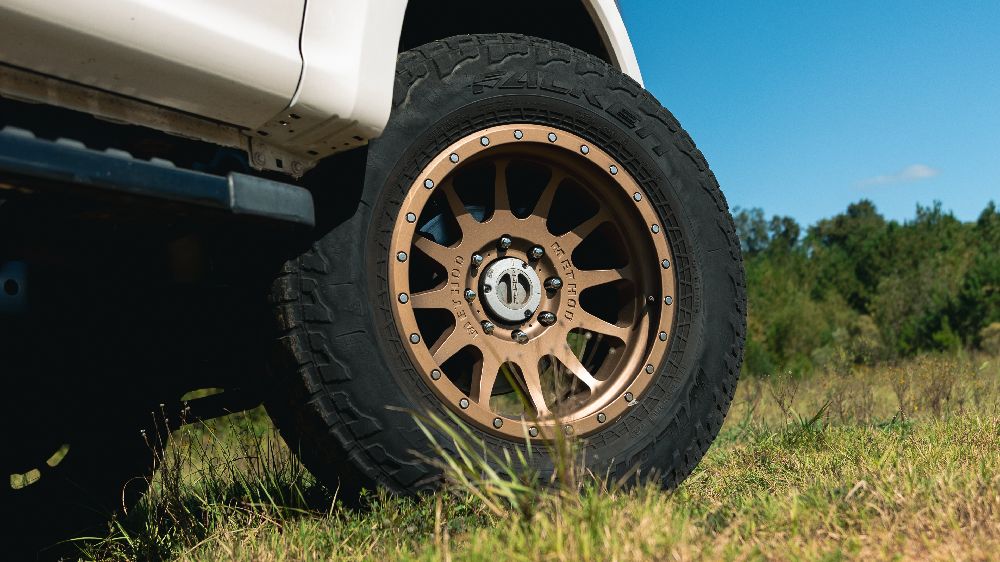
2. Falken Wildpeak A/T3W

A fan favorite among overlanders, the Wildpeak A/T3W delivers confidence both on the road and in rough terrain.

  • Performance: Deep tread blocks and silica compound excel in wet, snow, and rocky conditions.

  • Comfort: One of the quietest A/Ts available—great for daily drivers.

  • Tread Life: 55,000-mile warranty; excellent wear resistance.

  • Pricing: $ – Budget-friendly without sacrificing quality.

  • Best For: Daily drivers who frequently explore backroads or mild trails.

It’s one of the best “value per mile” tires in the all-terrain market.


3. Nitto Ridge Grappler

The Ridge Grappler blurs the line between an all-terrain and a mud-terrain tire, making it ideal for aggressive builds that still see street use.

  • Performance: Hybrid tread provides serious grip off-road but stays stable at highway speeds.

  • Comfort: Slightly louder than standard A/Ts but smoother than most M/Ts.

  • Tread Life: 40,000–50,000 miles, depending on driving style.

  • Pricing: $$$ – Premium.

  • Best For: Weekend warriors who want aggressive looks and strong trail capability.

Perfect if you want off-road muscle without fully committing to mud tires.


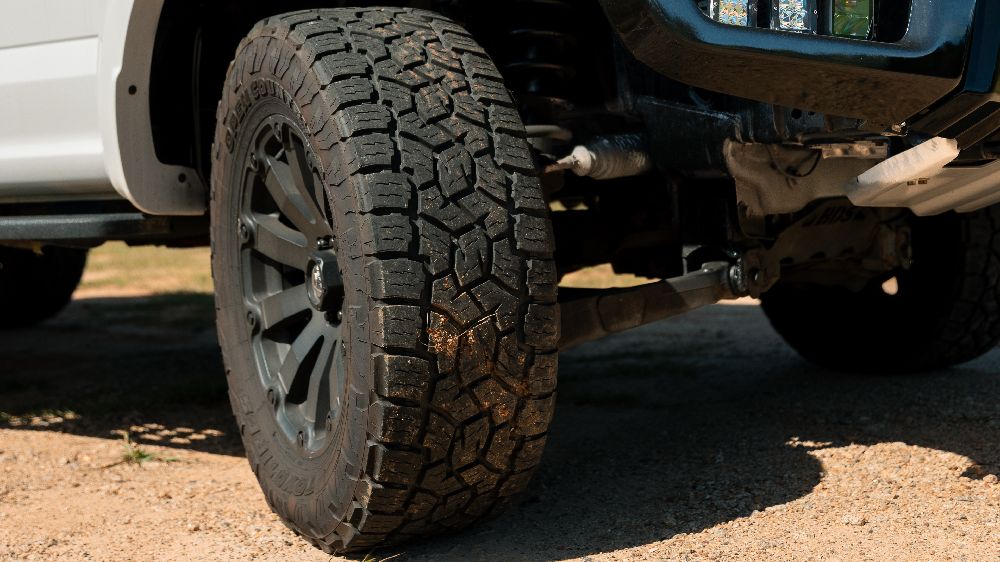
4. Toyo Open Country A/T III

Toyo’s A/T III is one of the newest entries in the segment and delivers exceptional on-road manners with rugged performance.

  • Performance: Improved tread block rigidity gives great traction on dirt and gravel.

  • Comfort: Smooth, quiet, and very stable on the highway.

  • Tread Life: 60,000-mile warranty for P-metric sizes.

  • Pricing: $$ – Mid-range.

  • Best For: Overlanders and daily drivers who demand comfort without compromise.

It’s a modern, refined tire for drivers who split time evenly between pavement and trail.


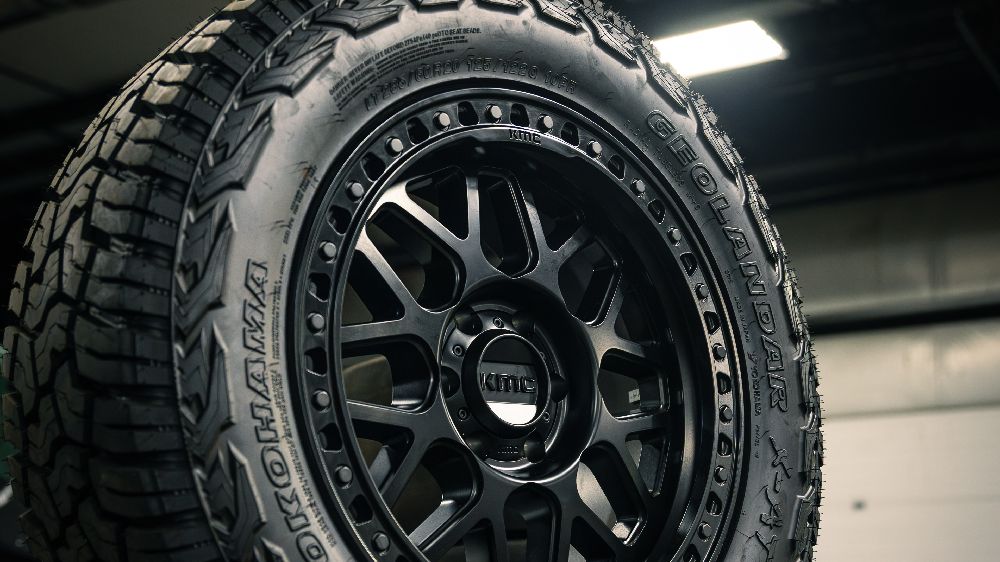
5. Yokohama Geolandar A/T G015

For drivers who want comfort, longevity, and solid off-road confidence, the Geolandar A/T G015 is a smart choice.

  • Performance: Great traction in wet, gravel, and snowy conditions with a tread design optimized for stability.

  • Comfort: Among the quietest all-terrain tires available, ideal for highway driving.

  • Tread Life: Up to 60,000 miles depending on size and driving conditions.

  • Pricing: $ – Budget-friendly and long-lasting.

  • Best For: Daily-driven trucks that still see occasional trail or camping use.

It’s an excellent option for anyone who wants a capable all-terrain tire that rides like a street tire.


Choosing the Right All-Terrain Tire
When picking your next set of A/Ts, think about how you drive most of the time:

  • 70% Street / 30% Trail: Go with the Falken A/T3W or Toyo A/T III for comfort and longevity.

  • 50% Street / 50% Trail: The BFG KO2 or Duratrac strike the best balance.

  • 30% Street / 70% Trail: The Nitto Ridge Grappler delivers superior off-road grip while staying road-legal.


All-terrain tires are about balance—and these five models hit that balance perfectly. Whether you’re commuting daily, exploring gravel roads, or tackling your first trail run, these tires will give you the traction, comfort, and confidence your build deserves.
👉 At our shop, we stock all-terrain tires from BFGoodrich, Toyo, Falken, Nitto, Yokohama and more—so whether you’re after quiet comfort or aggressive performance, we’ve got the perfect set to fit your truck and your budget.

Comments (0) details

How to Build a Budget Off-Road Truck That Actually Performs

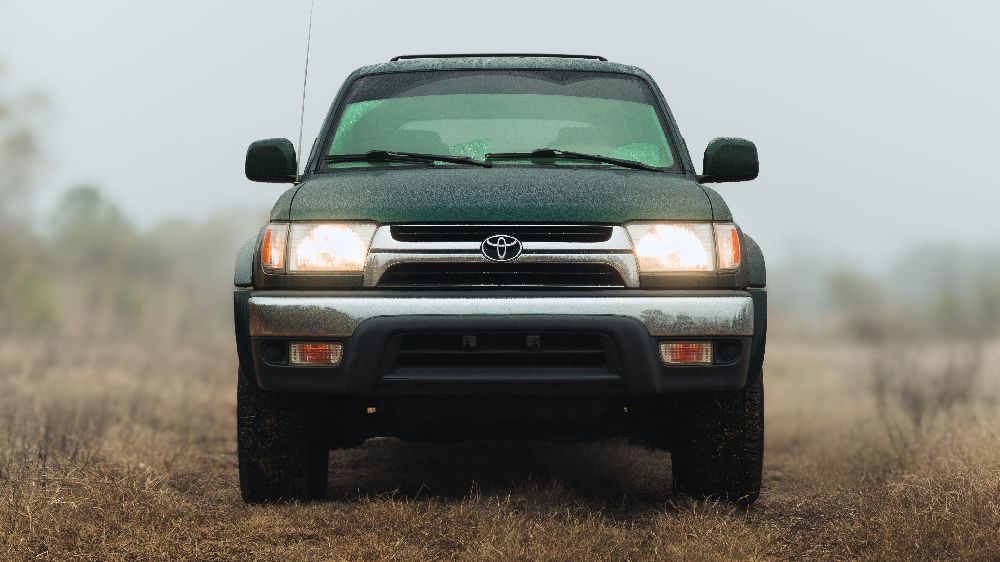
Building an off-road truck doesn’t have to drain your wallet. While it’s easy to get caught up in big-ticket suspension systems and high-end accessories, you can create a capable, reliable, and fun trail truck without spending a fortune.
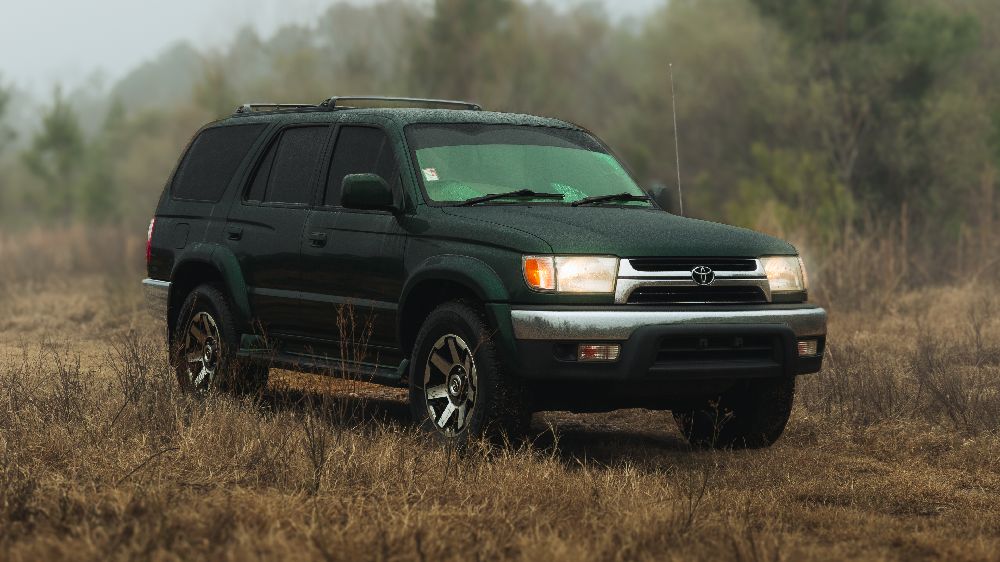
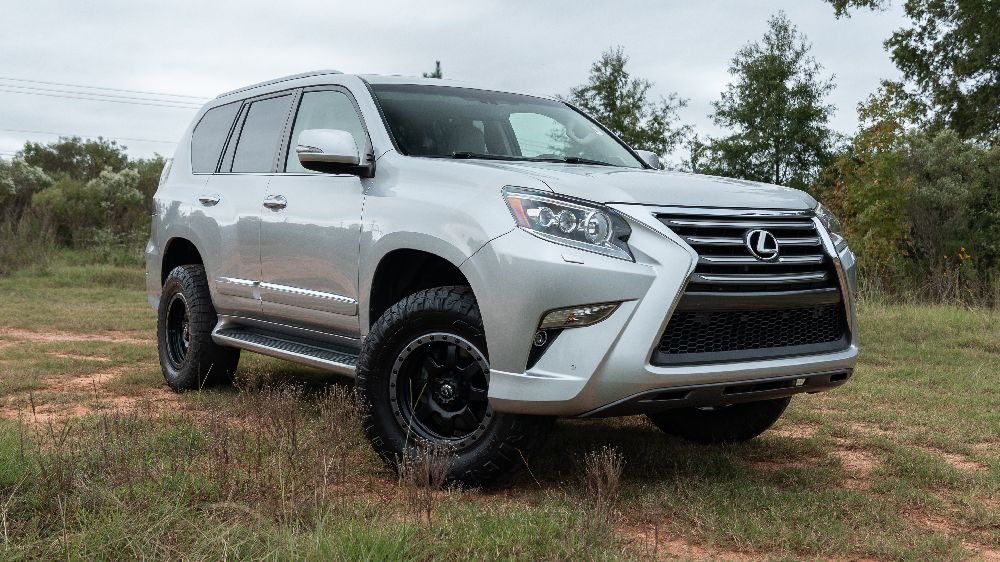
Whether you’re starting with a stock pickup or an SUV, the key is to prioritize upgrades that deliver real performance gains instead of cosmetic ones. This guide will show you how to stretch your budget and still build a truck that can hang with the big builds on the trail.


What You’ll Learn in This Guide

In this article, we’ll cover:

  • The core upgrades that make a real difference off-road.

  • How to save money without sacrificing performance or reliability.

  • Budget ranges for each major modification.

  • Tips for choosing the right parts the first time to avoid wasting cash.

By the end, you’ll know how to build a budget-friendly off-road truck that performs far better than stock—without breaking the bank.


1. Start with the Right Platform

The truck or SUV you start with makes a huge difference in how far your budget will go.

  • Utility: Look for something reliable with strong aftermarket support (Toyota Tacoma, Jeep Cherokee, Ford Ranger, etc.).

  • Aesthetics: Older models often have character and are easier to customize.

  • Pricing: $5,000–$15,000 for a solid used base vehicle.

  • Pro Tip: Avoid rust buckets or trucks with frame damage—they’ll cost more in the long run than buying clean.

Start with something simple and durable—you’ll thank yourself later.


2. Tires First, Always

Nothing improves off-road performance faster than a set of all-terrain or mud-terrain tires.

  • Utility: Tires provide traction, clearance, and sidewall protection—your truck’s first line of defense.

  • Aesthetics: Instantly makes any truck look more capable.

  • Pricing: $800–$1,500 for quality A/T or M/T tires.

  • Pro Tip: Stick with a common tire size to keep costs down and availability high.

Tires are your most cost-effective upgrade, hands down.


3. Go for a Budget Lift or Leveling Kit

You don’t need an expensive suspension system to get started.

  • Utility: Adds ground clearance and room for larger tires.

  • Aesthetics: Gives your truck the lifted look without the full price tag.

  • Pricing: $150–$400 for a leveling kit; $1,000+ for entry-level suspension lifts.

  • Pro Tip: Focus on ride quality and alignment after install—cheap kits can cost more if installed incorrectly.

A modest lift gives you real off-road benefits without emptying your wallet.


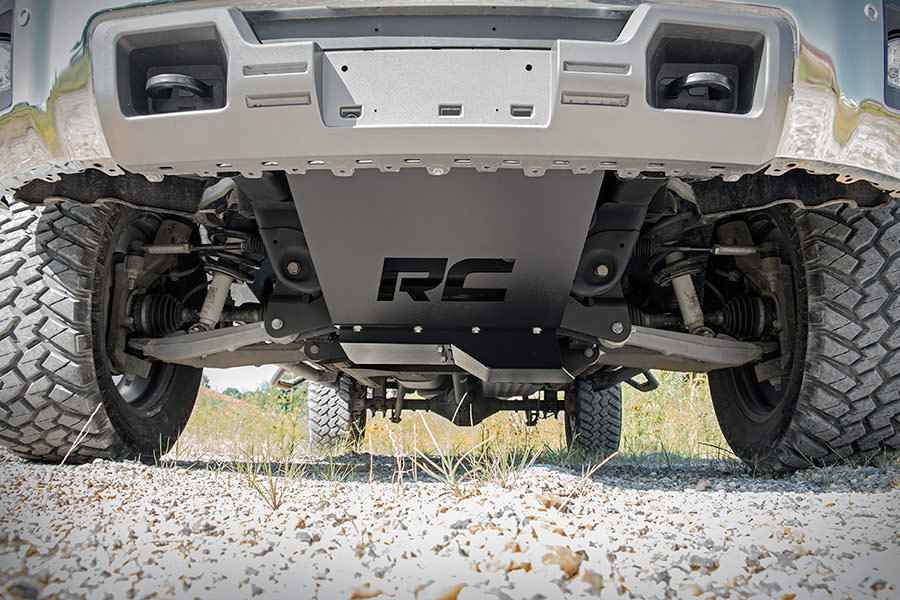
4. Add Basic Armor and Protection

Trail damage is expensive—protecting your undercarriage is not.

  • Utility: Skid plates, diff covers, and rock sliders prevent damage to vital components.

  • Aesthetics: Adds a rugged, purpose-built look.

  • Pricing: $200–$600 depending on coverage.

  • Pro Tip: Install armor in stages—start with the most vulnerable areas first, like the oil pan or transfer case.

Protection parts pay for themselves the first time you hear a rock scrape.


5. Build a Simple Recovery Kit

Getting stuck is inevitable, but recovery gear doesn’t have to be fancy or expensive.

  • Utility: A tow strap, shackles, and traction boards can solve 90% of stuck situations.

  • Aesthetics: Doesn’t change your truck’s look but adds major peace of mind.

  • Pricing: $100–$300 for a starter kit.

  • Pro Tip: Add a budget winch later if you frequently off-road alone.

Preparedness is part of performance—and it doesn’t have to cost much.


6. Focus on Maintenance and Reliability

No lift or tire upgrade matters if your truck can’t finish the trail.

  • Utility: Fresh fluids, new filters, and strong belts and hoses ensure dependability.

  • Aesthetics: Clean, well-maintained builds look better and last longer.

  • Pricing: $100–$300 in preventive maintenance goes a long way.

  • Pro Tip: Check torque specs after every trail day—bolts loosen faster off-road.

Maintenance is the cheapest “upgrade” that keeps your truck performing its best.


Building a capable off-road truck on a budget isn’t about cutting corners—it’s about making smart choices. Focus on tires, lift, protection, and recovery gear before splurging on cosmetic mods, and you’ll have a truck that performs far beyond its price tag.

👉 At our shop, we offer affordable off-road parts, tire packages, recovery gear, and lift kits to help you start your build the right way—without breaking your budget.

Comments (0) details

All-Terrain vs. Mud-Terrain Tires: Which Is Better for Overlanding?

When it comes to overlanding, your tires are one of the most important choices you’ll make. They determine not only how well your vehicle performs off-road, but also how comfortable and efficient it is during long highway stretches between destinations.

Two tire types dominate the conversation: all-terrain (A/T) and mud-terrain (M/T). Both have their strengths, but they serve different purposes. If you’re planning an overland trip, choosing the right one can mean the difference between a smooth adventure and a stressful slog.

Let’s break down the pros and cons of each and help you find the perfect setup for your build.


What You’ll Learn in This Guide

In this article, we’ll cover:

  • How all-terrain and mud-terrain tires differ in design and performance.

  • The advantages and drawbacks of each for overlanding and mixed-use driving.

  • Key factors like tread wear, noise, comfort, and fuel economy.

  • Recommendations for who should choose which tire type.

By the end, you’ll know exactly which tire suits your overlanding setup best.


All-Terrain Tires: The Balanced Performer

All-terrain tires are built for drivers who split time between pavement and dirt. They’re designed to handle mild off-road terrain while remaining quiet and comfortable on the highway.

  • Utility: Excellent for long-distance travel where you’ll see a mix of pavement, gravel, and light trails.

  • Aesthetics: Rugged tread gives your vehicle a capable look without going overboard.

  • Performance: Great traction on dirt and gravel; adequate in light mud and sand.

  • Comfort: Quieter and smoother on pavement, ideal for long road days.

  • Tread Life: Typically lasts longer due to a harder rubber compound.

Best for: Daily-driven trucks and SUVs that spend 70–80% of their time on-road but still need trail capability.


Mud-Terrain Tires: The Off-Road Specialist

Mud-terrain tires are built for maximum grip in the toughest off-road environments—deep mud, rocks, and sand.

  • Utility: Superior traction in wet, muddy, or rocky conditions.

  • Aesthetics: Aggressive tread and sidewall lugs give a true off-road look.

  • Performance: Excellent in mud and loose terrain but can feel rough on pavement.

  • Comfort: Louder and stiffer on the highway compared to all-terrains.

  • Tread Life: Softer compounds mean faster wear, especially on long road trips.

Best for: Dedicated off-road builds or overlanders who explore rugged, remote trails where traction matters most.


Overlanding Tire Comparison

FeatureAll-Terrain TiresMud-Terrain Tires
Traction (Dirt/Gravel)ExcellentExcellent
Traction (Mud/Sand)ModerateSuperior
Road NoiseQuietLoud
ComfortSmoothRougher ride
Fuel EconomyBetterWorse
Tread LifeLongerShorter
Best ForDaily drivers and mixed terrainRemote trails and extreme terrain

Choosing the Right Tire for Your Overland Rig

When deciding between A/T and M/T tires, think about where you’ll spend most of your time.

  • Mostly Pavement and Light Trails: Go with all-terrain tires. They’re efficient, quiet, and last longer—perfect for long road trips and mild trails.

  • Rough Trails and Technical Terrain: Mud-terrains are worth the trade-off. They offer unbeatable grip and toughness for backcountry travel.

  • Balanced Builds: Some overlanders keep two sets—A/Ts for daily use and M/Ts for serious trips. It’s more expensive but ensures the best of both worlds.


Find What Works for You

There’s no one-size-fits-all answer to the A/T vs. M/T debate. For overlanding, all-terrains often make the most sense due to their versatility, longevity, and comfort on long drives. But if your adventures take you deep into rugged, muddy, or rocky territory, mud-terrains deliver the grip and confidence you’ll need.

👉 At our shop, we carry a full lineup of all-terrain and mud-terrain tires from the top off-road brands—so whether your overland trips stick to gravel roads or push deep into the wild, we’ve got the perfect tires to get you there and back safely.

Comments (0) details

The Ultimate Beginner’s Guide to Off-Roading: Must-Have Parts and Accessories

Off-roading is one of the most exciting ways to enjoy your truck. Whether you’re crawling over rocks, splashing through mud, or exploring backcountry trails, building your truck for adventure is half the fun. But if you’re new to off-roading, the world of parts and accessories can feel overwhelming.

This beginner’s guide breaks down the must-have upgrades that will make your truck capable, reliable, and safe when you head off the pavement.


What You’ll Learn in This Guide

In this article, we’ll cover:

  • The essential parts every beginner needs for off-roading.

  • How upgrades like tires, suspension, and recovery gear improve performance.

  • The role of protection and lighting accessories on the trail.

  • Budget-friendly ways to start upgrading your truck.

By the end, you’ll have a clear roadmap for building a trail-ready truck without overspending.


1. All-Terrain or Mud-Terrain Tires

Tires are the foundation of off-road performance.

  • Utility: All-terrain tires balance daily driving with weekend trail use, while mud-terrains grip better in tough conditions like mud and rocks.

  • Aesthetics: Aggressive tread instantly makes your truck look more rugged.

  • Pricing: $800–$1,500+ for a quality set.

  • Durability: A/Ts wear longer on pavement; M/Ts wear faster but excel off-road.

Start here—nothing transforms capability like the right tires.


2. Suspension Lift or Leveling Kit

Adding ground clearance makes off-roading safer and more fun.

  • Utility: A lift or leveling kit helps clear obstacles and makes room for bigger tires.

  • Aesthetics: Instantly changes your truck’s stance and trail presence.

  • Pricing: $200 for leveling kits; $1,000+ for suspension lifts.

  • Ride Quality: Higher-quality kits maintain comfort; cheap ones can feel harsh.

This is one of the most popular first upgrades for beginners.


3. Skid Plates and Armor

Trail damage is a real risk, but protection keeps your truck safe.

  • Utility: Shields your oil pan, transmission, and fuel tank from rocks and stumps.

  • Aesthetics: Gives your truck a purpose-built look.

  • Pricing: $200–$800 depending on coverage.

  • Durability: Aluminum for lighter builds, steel for maximum toughness.

A must-have if you plan on rocky or technical trails.


4. Recovery Gear

Every off-roader gets stuck eventually—be prepared.

  • Utility: Tools like recovery straps, shackles, traction boards, and a winch help you get unstuck.

  • Aesthetics: Recovery gear is functional, but a bumper-mounted winch also looks aggressive.

  • Pricing: $50 for basic straps; $500–$1,500+ for winches.

  • Durability: Invest in high-quality straps and shackles—they’re your lifeline.

Recovery gear is as important as performance upgrades for beginners.


5. Off-Road Lighting

When the sun goes down, stock headlights aren’t enough.

  • Utility: Spot, flood, or combo lights illuminate trails, campsites, and recovery situations.

  • Aesthetics: Roof bars and bumper-mounted pods add rugged style.

  • Pricing: $200–$1,000 depending on setup.

  • Durability: LED lights are efficient and long-lasting.

Lighting is both a performance and safety upgrade, making it ideal for new off-roaders.


Budget-Friendly Accessories

Not every upgrade has to break the bank. Affordable but useful accessories include:

  • Floor liners and seat covers (protect your interior from mud).

  • Portable air compressors (reinflate tires after airing down).

  • Basic tool kits (trail repairs happen more often than you think).

These small upgrades make off-roading easier and extend your truck’s lifespan.


Slowly but Surely

Off-roading doesn’t have to be intimidating for beginners. Start with the basics—tires, suspension, protection, recovery gear, and lighting—and you’ll have a capable, reliable build that’s ready for adventure. From there, you can expand into more advanced upgrades as your skills and confidence grow.

👉 At our shop, we carry beginner-friendly off-road parts and accessories, from tires and lift kits to lighting and recovery gear. Whatever your budget or build, we’ll help you hit the trail with confidence.

Comments (0) details

Top 5 Upgrades Every Off-Road Truck Needs for Better Performance

When it comes to off-road trucks, performance is about more than just horsepower. True capability comes from upgrades that help your truck handle rough terrain, stay reliable, and give you the confidence to tackle any trail. The good news? You don’t need to do a full build right away—just a few smart upgrades can make a huge difference.

Here are the top five upgrades every off-road truck should have to perform better on the trail.


What You’ll Learn in This Guide

In this article, we’ll cover:

  • The essential upgrades that improve off-road performance.

  • How each upgrade impacts utility, comfort, and durability.

  • Pricing insights to help plan your build.

  • Why these upgrades make sense for daily drivers and dedicated trail rigs alike.

By the end, you’ll know exactly where to start when upgrading your off-road truck.


1. Suspension Lift Kit

A quality suspension lift kit is the foundation of any off-road build.

  • Utility: Increases ground clearance, improves approach and departure angles, and allows for larger tires.

  • Aesthetics: Instantly gives your truck a more aggressive stance.

  • Pricing: $1,000–$5,000+ depending on brand and complexity.

  • Tire Wear: With proper alignment, wear stays balanced; poor installation can shorten lifespan.

A suspension lift is the upgrade that unlocks most of the truck’s off-road potential.


2. All-Terrain or Mud-Terrain Tires

The right tires are just as important as the right lift.

  • Utility: Provide traction in mud, sand, gravel, and rocky terrain.

  • Aesthetics: Aggressive tread designs transform the look of your truck.

  • Pricing: $1,000+ for a full set of quality off-road tires.

  • Tire Wear: All-terrains wear longer on pavement; mud-terrains wear faster but grip better off-road.

Tires are often the most noticeable performance upgrade, and they’re essential for trail reliability.


3. Off-Road Wheels

Strong wheels keep your tires secure when the terrain gets rough.

  • Utility: Designed to withstand trail abuse, especially with beadlock or beadlock-style options.

  • Aesthetics: Countless finishes and spoke designs let you personalize your build.

  • Pricing: $200–$500 per wheel for alloys; $800+ for forged.

  • Durability: Lighter alloys balance strength and ride comfort, while steel wheels prioritize toughness.

Wheels aren’t just for looks—they’re a functional part of performance.


4. Skid Plates and Armor

Protection upgrades prevent expensive damage on the trail.

  • Utility: Guard vital components like the oil pan, transmission, and fuel tank.

  • Aesthetics: Add a rugged, purpose-built look.

  • Pricing: $200–$800 depending on coverage and material.

  • Durability: High-strength steel or aluminum ensures long-lasting protection.

Think of skid plates as insurance—once you hear that first scrape on the rocks, you’ll be glad you have them.


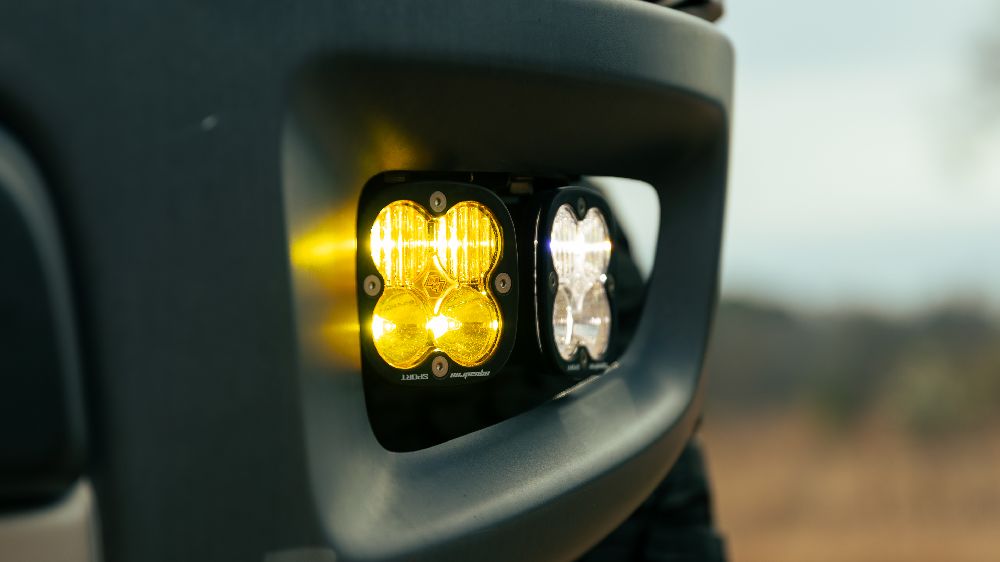
5. Off-Road Lighting

When the sun goes down, extra lighting is a must.

  • Utility: Improves visibility for night trails, camping, and recovery.

  • Aesthetics: Roof-mounted light bars, bumper pods, or A-pillar floods add aggressive style.

  • Pricing: $200–$1,000+ depending on setup.

  • Durability: LED lights last longer and use less power than halogens.

Spot, flood, or combo beams make night-time off-roading safer and more fun.


Be Prepared

You don’t have to build an off-road monster overnight. Start with the upgrades that matter most—suspension, tires, wheels, armor, and lighting—and you’ll see an immediate improvement in both performance and confidence.

👉 At our shop, we stock suspension kits, tires, wheels, armor, and lighting from the top off-road brands—so whether you’re building a daily driver or a dedicated trail rig, we’ve got the parts to take your truck to the next level.

Comments (0) details