Blog posts tagged with 'off road beginners guide'

5 Common Off-Road Mistakes Beginners Make (And How to Avoid Them)

Off-roading is one of the most rewarding hobbies you can get into. The mix of adventure, challenge, and freedom makes it addictive—but it also comes with risks if you’re not prepared. Every experienced driver has made a few rookie mistakes on the trail, but learning from them early can save you time, money, and even your vehicle.

This guide breaks down five of the most common mistakes new off-roaders make—and how you can avoid them to keep your adventures safe, smooth, and fun.


What You’ll Learn in This Guide

In this article, you’ll learn:

  • The top five beginner mistakes that can damage your truck or ruin your trip.

  • How to properly prepare your vehicle and gear for off-roading.

  • Why overconfidence and lack of maintenance cause the most trail trouble.

  • Practical tips to prevent costly breakdowns and keep your rig reliable.

By the end, you’ll know how to hit the trail with confidence—and avoid the mistakes that most new off-roaders make.


1. Forgetting to Air Down Tires

One of the easiest and most common mistakes beginners make is running full tire pressure off-road.

  • Why It’s a Problem: Fully inflated tires reduce traction, increase the chance of punctures, and make the ride harsher.

  • The Fix: Air down to around 15–20 PSI for most trails (or lower for sand). Just don’t forget to bring a portable air compressor for the trip back.

  • Pro Tip: Invest in a tire deflator kit—fast, simple, and a game-changer for traction.


2. Ignoring Vehicle Maintenance

Trail trouble often starts long before you leave the pavement.

  • Why It’s a Problem: Worn fluids, loose bolts, and weak suspension components can fail under off-road stress.

  • The Fix: Perform a pre-trip inspection—check fluids, brakes, suspension, and torque key bolts.

  • Pro Tip: Schedule regular maintenance if you off-road frequently; it’s cheaper than trailside repairs.


3. Driving Too Fast

Speed might feel thrilling—but it’s one of the quickest ways to break something.

  • Why It’s a Problem: Hitting obstacles too fast can bend control arms, blow shocks, or damage tires.

  • The Fix: Drive slow and steady. Crawl over obstacles; don’t power through them.

  • Pro Tip: Use low-range gearing whenever possible. It gives you more torque and better control.


4. Skipping Recovery Gear

Getting stuck is part of off-roading—but being unprepared is optional.

  • Why It’s a Problem: Without recovery gear, one small mistake can turn into hours of waiting.

  • The Fix: Always carry a basic recovery kit—tow straps, shackles, traction boards, and a shovel.

  • Pro Tip: Add a winch if you wheel solo. It’s the ultimate self-recovery tool.


5. Overestimating Your Vehicle (and Yourself)

Confidence is good. Overconfidence breaks things.

  • Why It’s a Problem: Many new drivers underestimate how tough terrain can be—or overestimate their truck’s clearance and traction.

  • The Fix: Learn your limits. Start with easy trails and work your way up. Know your vehicle’s clearance, approach, and departure angles.

  • Pro Tip: Go with experienced friends or join a local off-road club—you’ll learn faster and safer.


Final Thoughts

Off-roading isn’t just about having the right parts—it’s about having the right mindset. The best drivers know their rigs, respect the terrain, and come prepared. Avoid these five beginner mistakes, and you’ll save your truck (and your wallet) from unnecessary damage while enjoying every trip with confidence.

👉 At our shop, we stock the essentials that keep you prepared—air compressors, recovery gear, skid plates, and off-road accessories—so you can explore with peace of mind and never get caught off guard on the trail.
Comments (0) details

The Ultimate Beginner’s Guide to Off-Roading: Must-Have Parts and Accessories

Off-roading is one of the most exciting ways to enjoy your truck. Whether you’re crawling over rocks, splashing through mud, or exploring backcountry trails, building your truck for adventure is half the fun. But if you’re new to off-roading, the world of parts and accessories can feel overwhelming.

This beginner’s guide breaks down the must-have upgrades that will make your truck capable, reliable, and safe when you head off the pavement.


What You’ll Learn in This Guide

In this article, we’ll cover:

  • The essential parts every beginner needs for off-roading.

  • How upgrades like tires, suspension, and recovery gear improve performance.

  • The role of protection and lighting accessories on the trail.

  • Budget-friendly ways to start upgrading your truck.

By the end, you’ll have a clear roadmap for building a trail-ready truck without overspending.


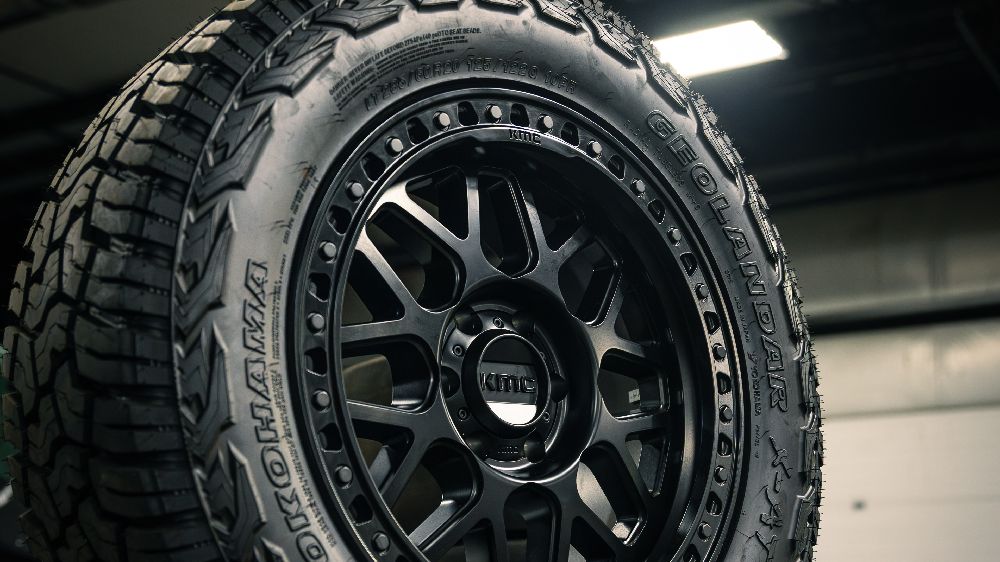
1. All-Terrain or Mud-Terrain Tires

Tires are the foundation of off-road performance.

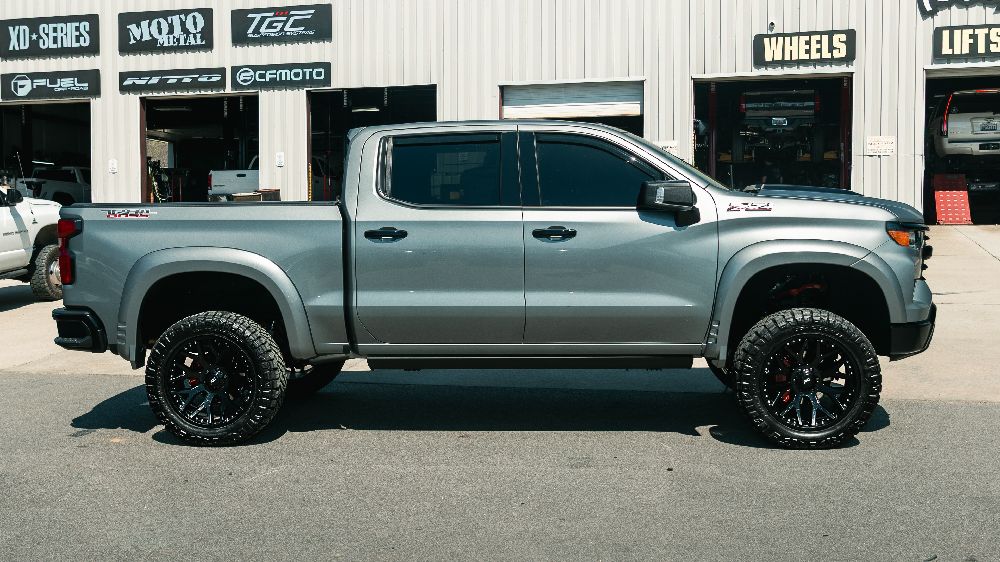
  • Utility: All-terrain tires balance daily driving with weekend trail use, while mud-terrains grip better in tough conditions like mud and rocks.

  • Aesthetics: Aggressive tread instantly makes your truck look more rugged.

  • Pricing: $800–$1,500+ for a quality set.

  • Durability: A/Ts wear longer on pavement; M/Ts wear faster but excel off-road.

Start here—nothing transforms capability like the right tires.


2. Suspension Lift or Leveling Kit

Adding ground clearance makes off-roading safer and more fun.

  • Utility: A lift or leveling kit helps clear obstacles and makes room for bigger tires.

  • Aesthetics: Instantly changes your truck’s stance and trail presence.

  • Pricing: $200 for leveling kits; $1,000+ for suspension lifts.

  • Ride Quality: Higher-quality kits maintain comfort; cheap ones can feel harsh.

This is one of the most popular first upgrades for beginners.


3. Skid Plates and Armor

Trail damage is a real risk, but protection keeps your truck safe.

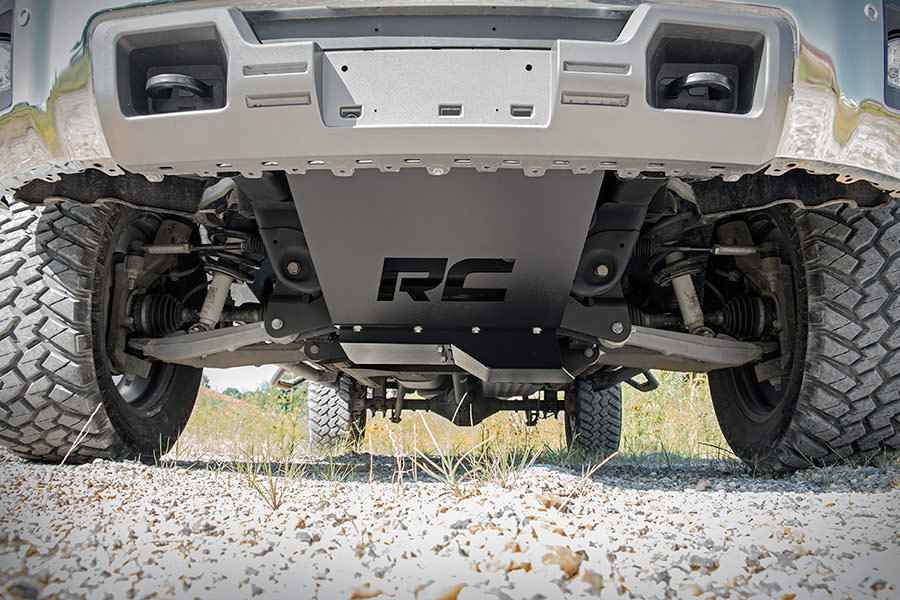
  • Utility: Shields your oil pan, transmission, and fuel tank from rocks and stumps.

  • Aesthetics: Gives your truck a purpose-built look.

  • Pricing: $200–$800 depending on coverage.

  • Durability: Aluminum for lighter builds, steel for maximum toughness.

A must-have if you plan on rocky or technical trails.


4. Recovery Gear

Every off-roader gets stuck eventually—be prepared.

  • Utility: Tools like recovery straps, shackles, traction boards, and a winch help you get unstuck.

  • Aesthetics: Recovery gear is functional, but a bumper-mounted winch also looks aggressive.

  • Pricing: $50 for basic straps; $500–$1,500+ for winches.

  • Durability: Invest in high-quality straps and shackles—they’re your lifeline.

Recovery gear is as important as performance upgrades for beginners.


5. Off-Road Lighting

When the sun goes down, stock headlights aren’t enough.

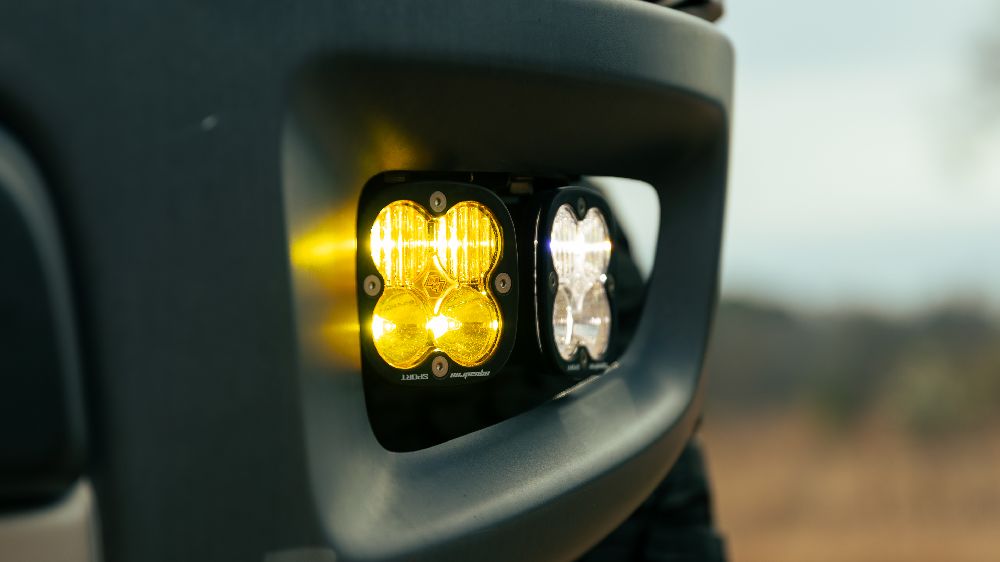
  • Utility: Spot, flood, or combo lights illuminate trails, campsites, and recovery situations.

  • Aesthetics: Roof bars and bumper-mounted pods add rugged style.

  • Pricing: $200–$1,000 depending on setup.

  • Durability: LED lights are efficient and long-lasting.

Lighting is both a performance and safety upgrade, making it ideal for new off-roaders.


Budget-Friendly Accessories

Not every upgrade has to break the bank. Affordable but useful accessories include:

  • Floor liners and seat covers (protect your interior from mud).

  • Portable air compressors (reinflate tires after airing down).

  • Basic tool kits (trail repairs happen more often than you think).

These small upgrades make off-roading easier and extend your truck’s lifespan.


Slowly but Surely

Off-roading doesn’t have to be intimidating for beginners. Start with the basics—tires, suspension, protection, recovery gear, and lighting—and you’ll have a capable, reliable build that’s ready for adventure. From there, you can expand into more advanced upgrades as your skills and confidence grow.

👉 At our shop, we carry beginner-friendly off-road parts and accessories, from tires and lift kits to lighting and recovery gear. Whatever your budget or build, we’ll help you hit the trail with confidence.

Comments (0) details