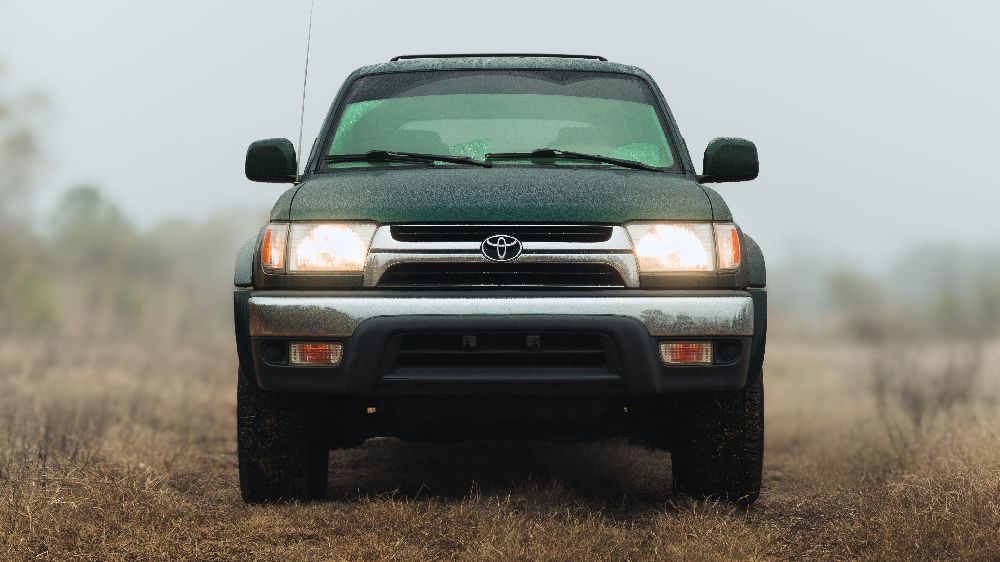
Blog posts tagged with 'off road truck maintenance'

How to Build a Budget Off-Road Truck That Actually Performs

Building an off-road truck doesn’t have to drain your wallet. While it’s easy to get caught up in big-ticket suspension systems and high-end accessories, you can create a capable, reliable, and fun trail truck without spending a fortune.

Whether you’re starting with a stock pickup or an SUV, the key is to prioritize upgrades that deliver real performance gains instead of cosmetic ones. This guide will show you how to stretch your budget and still build a truck that can hang with the big builds on the trail.


What You’ll Learn in This Guide

In this article, we’ll cover:

  • The core upgrades that make a real difference off-road.

  • How to save money without sacrificing performance or reliability.

  • Budget ranges for each major modification.

  • Tips for choosing the right parts the first time to avoid wasting cash.

By the end, you’ll know how to build a budget-friendly off-road truck that performs far better than stock—without breaking the bank.


1. Start with the Right Platform
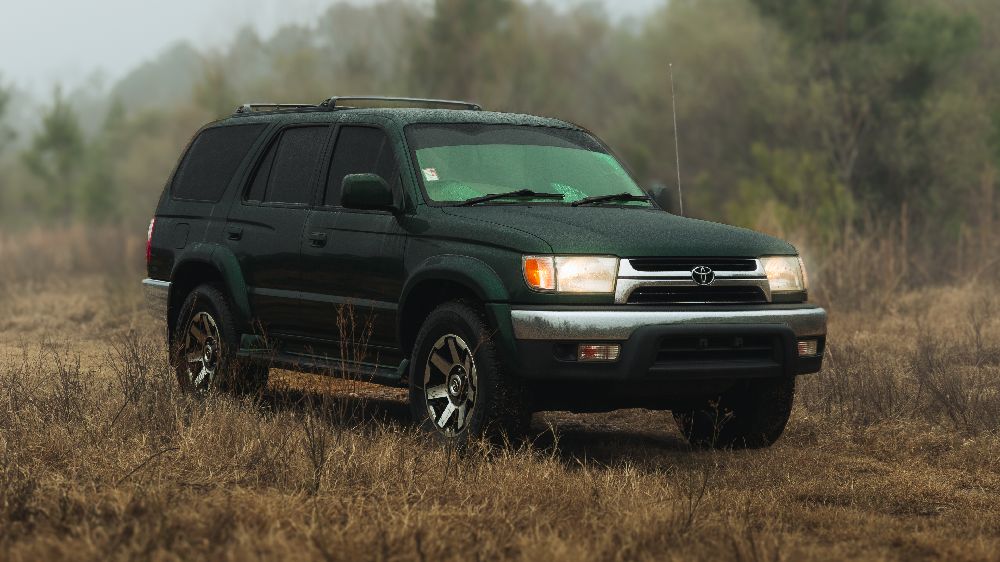
The truck or SUV you start with makes a huge difference in how far your budget will go.

  • Utility: Look for something reliable with strong aftermarket support (Toyota Tacoma, Jeep Cherokee, Ford Ranger, etc.).

  • Aesthetics: Older models often have character and are easier to customize.

  • Pricing: $5,000–$15,000 for a solid used base vehicle.

  • Pro Tip: Avoid rust buckets or trucks with frame damage—they’ll cost more in the long run than buying clean.

Start with something simple and durable—you’ll thank yourself later.


2. Tires First, Always

Nothing improves off-road performance faster than a set of all-terrain or mud-terrain tires.

  • Utility: Tires provide traction, clearance, and sidewall protection—your truck’s first line of defense.

  • Aesthetics: Instantly makes any truck look more capable.

  • Pricing: $800–$1,500 for quality A/T or M/T tires.

  • Pro Tip: Stick with a common tire size to keep costs down and availability high.

Tires are your most cost-effective upgrade, hands down.


3. Go for a Budget Lift or Leveling Kit
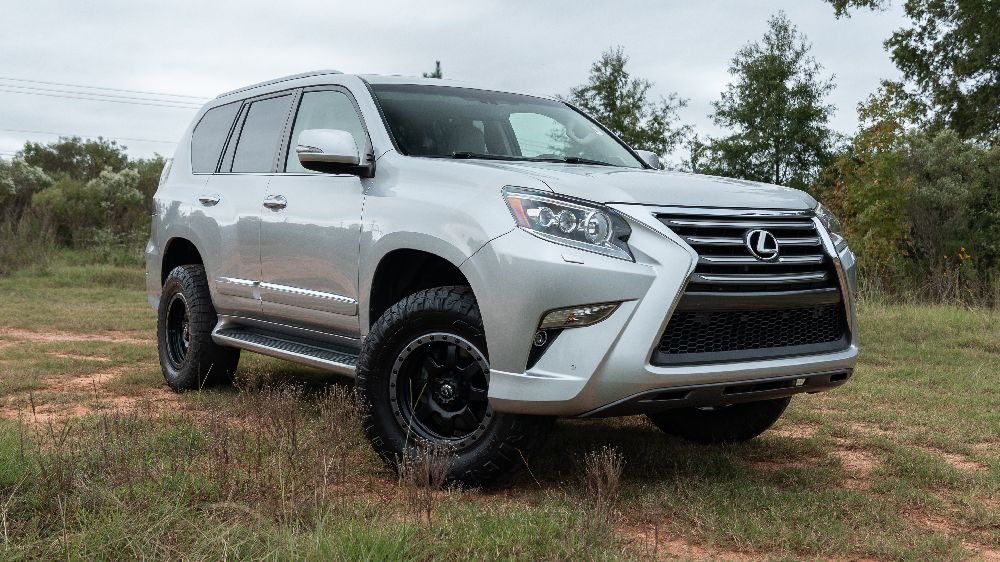
You don’t need an expensive suspension system to get started.

  • Utility: Adds ground clearance and room for larger tires.

  • Aesthetics: Gives your truck the lifted look without the full price tag.

  • Pricing: $150–$400 for a leveling kit; $1,000+ for entry-level suspension lifts.

  • Pro Tip: Focus on ride quality and alignment after install—cheap kits can cost more if installed incorrectly.

A modest lift gives you real off-road benefits without emptying your wallet.


4. Add Basic Armor and Protection
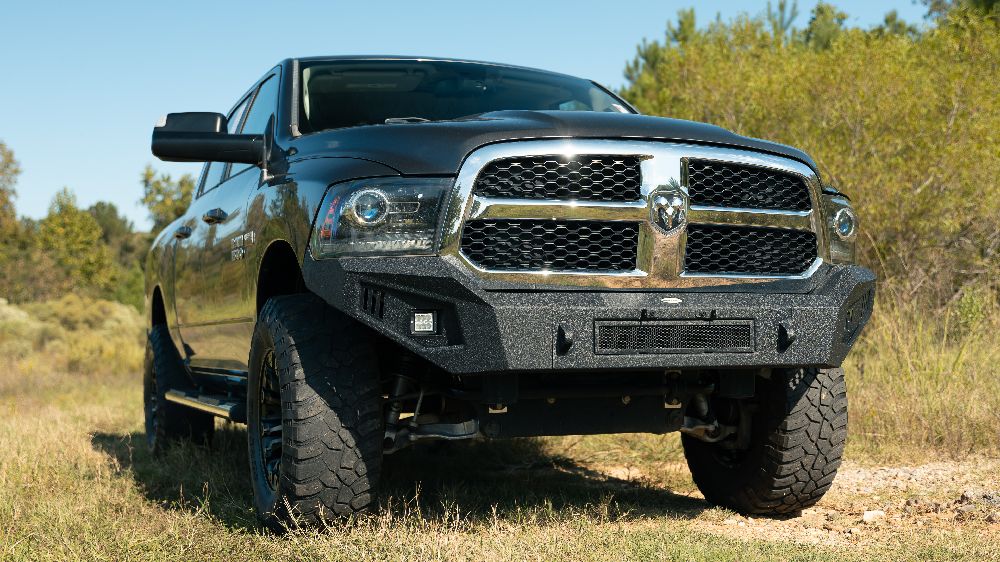
Trail damage is expensive—protecting your undercarriage is not.

  • Utility: Skid plates, diff covers, and rock sliders prevent damage to vital components.

  • Aesthetics: Adds a rugged, purpose-built look.

  • Pricing: $200–$600 depending on coverage.

  • Pro Tip: Install armor in stages—start with the most vulnerable areas first, like the oil pan or transfer case.

Protection parts pay for themselves the first time you hear a rock scrape.


5. Build a Simple Recovery Kit

Getting stuck is inevitable, but recovery gear doesn’t have to be fancy or expensive.

  • Utility: A tow strap, shackles, and traction boards can solve 90% of stuck situations.

  • Aesthetics: Doesn’t change your truck’s look but adds major peace of mind.

  • Pricing: $100–$300 for a starter kit.

  • Pro Tip: Add a budget winch later if you frequently off-road alone.

Preparedness is part of performance—and it doesn’t have to cost much.


6. Focus on Maintenance and Reliability
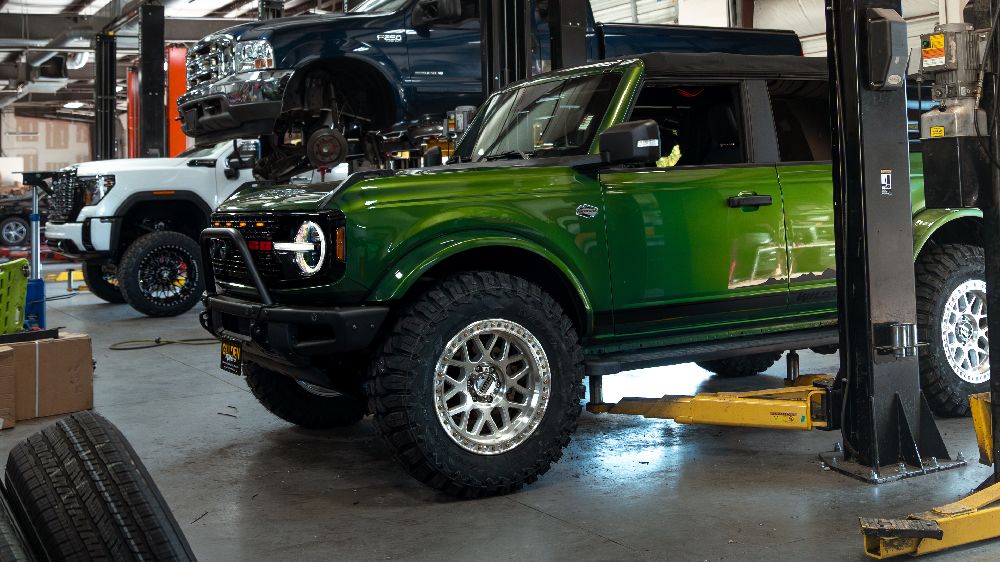
No lift or tire upgrade matters if your truck can’t finish the trail.

  • Utility: Fresh fluids, new filters, and strong belts and hoses ensure dependability.

  • Aesthetics: Clean, well-maintained builds look better and last longer.

  • Pricing: $100–$300 in preventive maintenance goes a long way.

  • Pro Tip: Check torque specs after every trail day—bolts loosen faster off-road.

Maintenance is the cheapest “upgrade” that keeps your truck performing its best.


Building a capable off-road truck on a budget isn’t about cutting corners—it’s about making smart choices. Focus on tires, lift, protection, and recovery gear before splurging on cosmetic mods, and you’ll have a truck that performs far beyond its price tag.

👉 At our shop, we offer affordable off-road parts, tire packages, recovery gear, and lift kits to help you start your build the right way—without breaking your budget.
Comments (0) details

5 Common Off-Road Mistakes Beginners Make (And How to Avoid Them)

Off-roading is one of the most rewarding hobbies you can get into. The mix of adventure, challenge, and freedom makes it addictive—but it also comes with risks if you’re not prepared. Every experienced driver has made a few rookie mistakes on the trail, but learning from them early can save you time, money, and even your vehicle.

This guide breaks down five of the most common mistakes new off-roaders make—and how you can avoid them to keep your adventures safe, smooth, and fun.


What You’ll Learn in This Guide

In this article, you’ll learn:

  • The top five beginner mistakes that can damage your truck or ruin your trip.

  • How to properly prepare your vehicle and gear for off-roading.

  • Why overconfidence and lack of maintenance cause the most trail trouble.

  • Practical tips to prevent costly breakdowns and keep your rig reliable.

By the end, you’ll know how to hit the trail with confidence—and avoid the mistakes that most new off-roaders make.


1. Forgetting to Air Down Tires

One of the easiest and most common mistakes beginners make is running full tire pressure off-road.

  • Why It’s a Problem: Fully inflated tires reduce traction, increase the chance of punctures, and make the ride harsher.

  • The Fix: Air down to around 15–20 PSI for most trails (or lower for sand). Just don’t forget to bring a portable air compressor for the trip back.

  • Pro Tip: Invest in a tire deflator kit—fast, simple, and a game-changer for traction.


2. Ignoring Vehicle Maintenance

Trail trouble often starts long before you leave the pavement.

  • Why It’s a Problem: Worn fluids, loose bolts, and weak suspension components can fail under off-road stress.

  • The Fix: Perform a pre-trip inspection—check fluids, brakes, suspension, and torque key bolts.

  • Pro Tip: Schedule regular maintenance if you off-road frequently; it’s cheaper than trailside repairs.


3. Driving Too Fast

Speed might feel thrilling—but it’s one of the quickest ways to break something.

  • Why It’s a Problem: Hitting obstacles too fast can bend control arms, blow shocks, or damage tires.

  • The Fix: Drive slow and steady. Crawl over obstacles; don’t power through them.

  • Pro Tip: Use low-range gearing whenever possible. It gives you more torque and better control.


4. Skipping Recovery Gear

Getting stuck is part of off-roading—but being unprepared is optional.

  • Why It’s a Problem: Without recovery gear, one small mistake can turn into hours of waiting.

  • The Fix: Always carry a basic recovery kit—tow straps, shackles, traction boards, and a shovel.

  • Pro Tip: Add a winch if you wheel solo. It’s the ultimate self-recovery tool.


5. Overestimating Your Vehicle (and Yourself)

Confidence is good. Overconfidence breaks things.

  • Why It’s a Problem: Many new drivers underestimate how tough terrain can be—or overestimate their truck’s clearance and traction.

  • The Fix: Learn your limits. Start with easy trails and work your way up. Know your vehicle’s clearance, approach, and departure angles.

  • Pro Tip: Go with experienced friends or join a local off-road club—you’ll learn faster and safer.


Final Thoughts

Off-roading isn’t just about having the right parts—it’s about having the right mindset. The best drivers know their rigs, respect the terrain, and come prepared. Avoid these five beginner mistakes, and you’ll save your truck (and your wallet) from unnecessary damage while enjoying every trip with confidence.

👉 At our shop, we stock the essentials that keep you prepared—air compressors, recovery gear, skid plates, and off-road accessories—so you can explore with peace of mind and never get caught off guard on the trail.

Comments (0) details

The Complete Maintenance Checklist for Off-Road Trucks

What You’ll Learn in This Guide In this article, we’ll cover the complete maintenance checklist every off-road truck owner should follow. You’ll learn: How to properly check and replace fluids and filters to keep your engine and drivetrain running strong. The best ways to maintain suspension, steering, and brakes for safe and reliable off-road handling. What to look for when inspecting tires, wheels, and driveline components after trail use. How to prevent long-term issues by caring for your truck’s frame, body, and off-road accessories. By following this checklist, you’ll protect your investment, avoid costly repairs, and make sure your truck is always trail-ready.

Comments (0) details