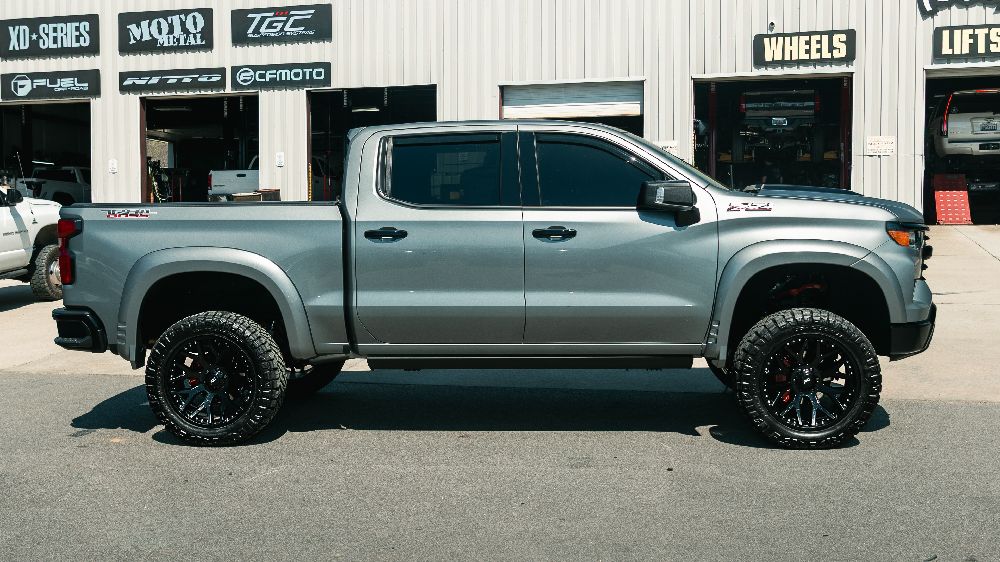
If you’re planning to lift your truck or SUV, you’ll quickly run into a wall of suspension jargon—coilovers, leaf packs, control arms, travel, damping, and more. It can feel like you need an engineering degree just to pick a lift kit.
The good news? Once you understand the basics of shocks, springs, and control arms, the whole suspension upgrade process makes a lot more sense. These are the core parts that determine how your truck rides, handles, and survives off-road.
This guide breaks down how each component works, what it actually does on the trail, and what to look for when upgrading.
What You’ll Learn in This Guide
In this article, we’ll cover:
The role of shocks, springs, and control arms in your suspension system
The difference between basic lifts and true suspension upgrades
How suspension changes affect ride quality, articulation, and control
What to consider when choosing parts for your off-road build or daily driver
By the end, you’ll have a clear picture of how off-road suspension works—and what you really need for your truck.
Shocks: Controlling the Ride
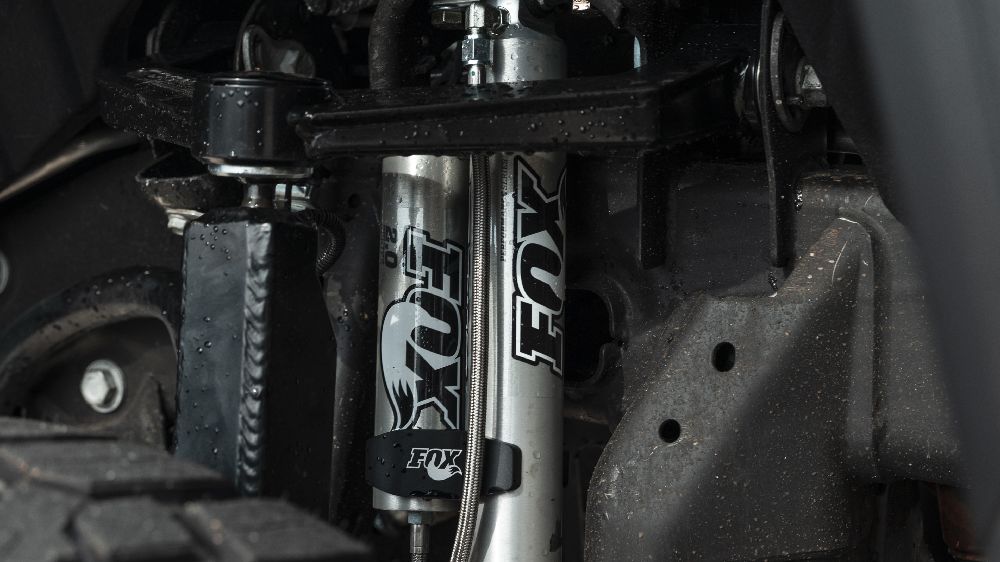
Shocks (or shock absorbers) don’t hold your truck up—that’s the springs’ job. Shocks control how fast the suspension moves. They keep your truck from bouncing endlessly after a bump and help the tires stay planted on uneven terrain.
What Shocks Do
Control how quickly the suspension compresses and rebounds
Help maintain traction by keeping the tire in contact with the ground
Affect how “floaty,” stiff, or controlled the truck feels
Types of Shocks
Twin-tube shocks
Great for basic street and light off-road use
Budget-friendly and common in entry-level kits
Monotube shocks
Better heat dissipation and more consistent performance under hard use
Popular in mid-range off-road and overland setups
Reservoir shocks (remote or piggyback)
Extra fluid volume for improved cooling and fade resistance
Ideal for high-speed off-road use, heavy rigs, and frequent trail work
What to Look For
Valving tuned for your vehicle weight and use (overlanding vs. rock crawling vs. desert running)
Rebuildable or serviceable designs if you plan on serious use
Matching sets front and rear for balanced handling
Good shocks don’t just make the ride smoother—they make the truck more controllable and predictable everywhere.
Springs: Holding the Weight and Setting the Height
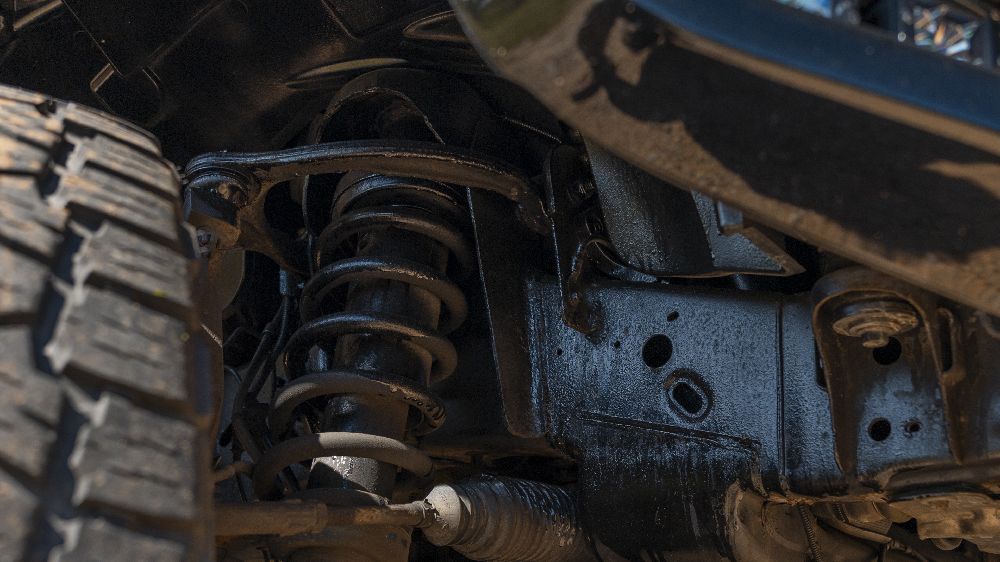
Springs support the weight of your truck and determine your ride height. Change the springs, and you change how high the truck sits and how it reacts to load.
Common Spring Types
Coil springs
Used on most front suspensions and some rears
Easy to tune for specific ride heights and load ratings
Leaf springs
Common on the rear of many trucks
Handle heavy loads and towing well
Can be replaced or upgraded with new leaf packs or add-a-leafs
Torsion bars
Found on some older and specific 4x4 platforms
Act like long twistable springs—ride height can be adjusted by “cranking” them
What Springs Affect
Ride height and stance
How much weight the truck can carry comfortably
Ride firmness under load (cargo, camping gear, bumpers, winch, etc.)
Choosing the Right Springs
Daily driver with mild gear: Standard lift coils or leaf packs with a small increase in spring rate
Overland build with armor, rack, and tent: Heavy-duty springs designed for added constant weight
Work truck: Leaf packs rated for towing and payload, matched with appropriate shocks
Springs are the backbone of your suspension. If you add heavy bumpers, winches, or gear and don’t upgrade your springs, the ride height and handling will suffer.
Control Arms: Steering, Geometry, and Articulation
Control arms connect your wheels to the chassis and guide how the suspension moves as it travels up and down. When you lift a truck, the suspension geometry changes—this is where upgraded control arms come in.
What Control Arms Do
Maintain proper alignment (camber and caster)
Help keep the tire in the correct position through the suspension’s travel
Provide mounting points for shocks and springs in many designs
Upper Control Arms (UCAs)
On many IFS (independent front suspension) trucks and SUVs, upgrading the upper control arms is a key part of a quality lift:
Restore lost caster after a 2–3 inch lift for better straight-line stability
Improve droop travel (downward suspension movement)
Add stronger ball joints or uniballs for durability off-road
Lower Control Arms (LCAs)
Often upgraded in more advanced or long-travel setups
Provide added strength and improved geometry for aggressive use
If you’re lifting your truck beyond a basic spacer kit, upgraded control arms help ensure your alignment is correct and your suspension can use its full range of motion.
Basic Lift Kit vs. True Suspension Upgrade
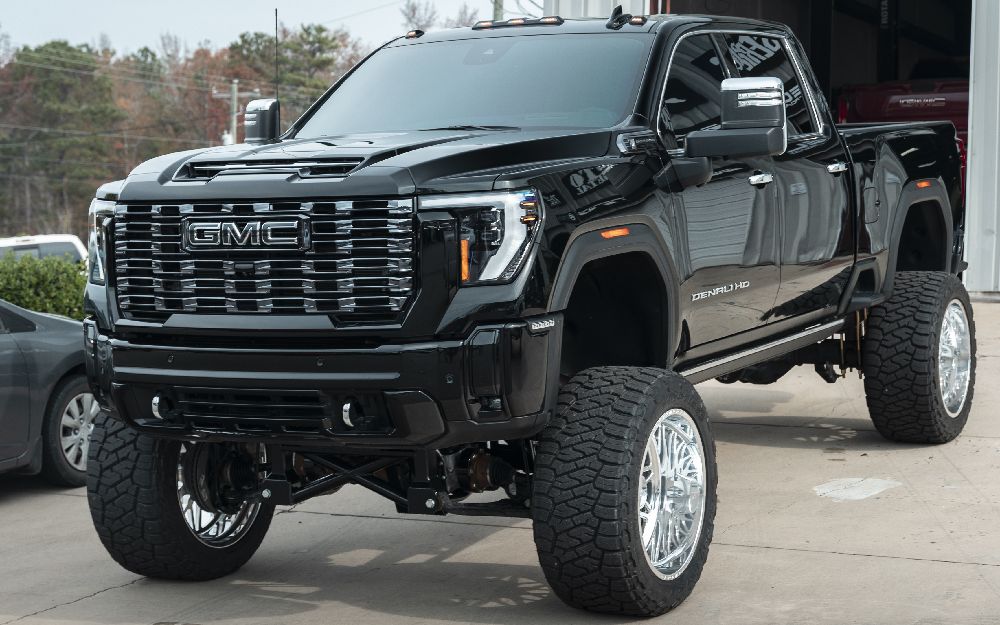
Not all “lifts” are created equal.
Spacer / Leveling Kits
Add height by spacing the factory suspension away from the frame
Inexpensive and good for looks and slightly larger tires
Do not improve shock quality, travel, or spring rate
Full Suspension Kits
Include new shocks, springs (or leafs), and often control arms
Improve ride quality, control, and articulation off-road
Designed to work together as a matched system
If you’re just after a better stance and a mild tire size, a leveling kit can work. If you want real off-road performance, a true suspension upgrade is the better long-term investment.
How Suspension Changes Affect Ride and Handling
Every suspension change has trade-offs.
More travel and softer springs improve off-road comfort but can add body roll on pavement
Stiffer springs and firmer shocks improve control with heavy loads but may feel harsh when empty
More height improves clearance but raises your center of gravity
The goal is balance—matching your shocks, springs, and control arms to how you actually use your truck.
Choosing the Right Setup for Your Build
Think about:
How much weight you’re carrying (bumpers, winch, rack, tent, tools)
How often you’re off-road vs. on-road
Whether you prioritize comfort, high-speed dirt, rock crawling, or towing
Examples:
Daily driver + weekend trails:
Mild lift (2–3"), quality monotube shocks, slightly heavier springs, upgraded UCAs
Overland / camping rig:
Lift with load-rated springs, reservoir shocks, full skids, and appropriate control arms
Aggressive trail rig:
Higher lift, long-travel or heavy-duty suspension, reinforced control arms, lockers, armor
Off-road suspension doesn’t have to be a mystery. Shocks control motion, springs hold the weight and set the height, and control arms keep everything moving in the right arc. When you match all three to your truck’s weight and how you actually drive, you get a rig that feels confident, controlled, and comfortable—on the road and in the rough.
👉 At our shop, we carry complete suspension kits, shocks, springs, and control arms from leading off-road brands, so whether you’re planning a simple leveling kit or a full trail-ready setup, we can help you choose parts that work together and work for your build.
