Blog posts tagged with 'off road tires'

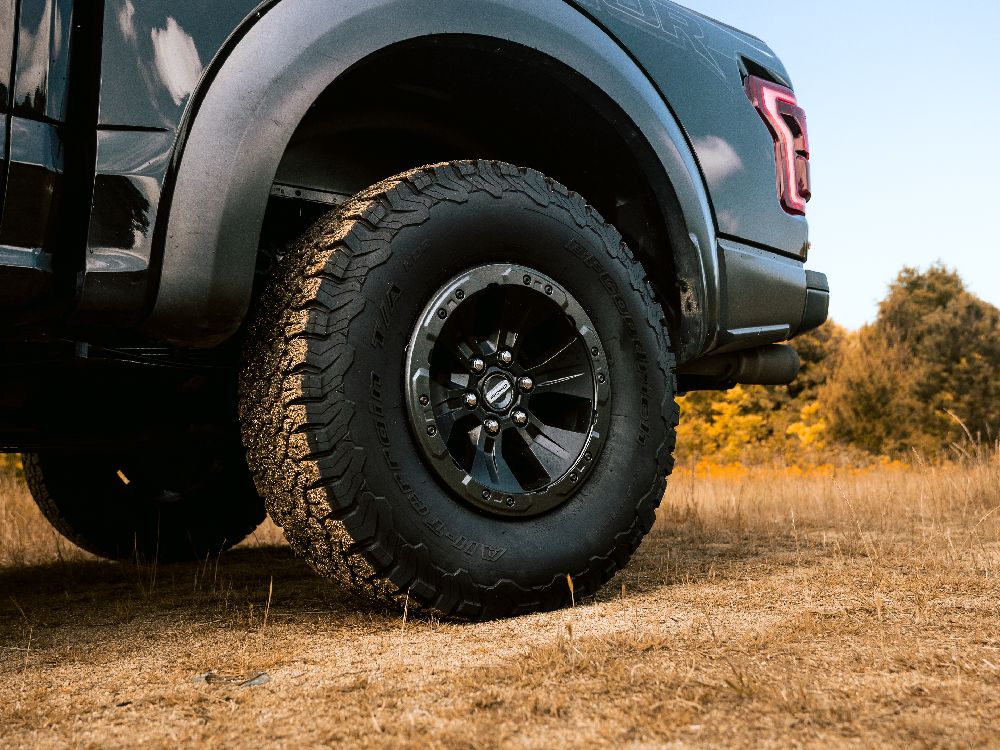
Are 37-Inch Tires Worth It? Pros, Cons, and What to Expect

If 35s are bold, 37-inch tires are a statement. They’re massive, aggressive, and instantly transform any truck or SUV into a trail-dominating beast. But as impressive as they look, running 37s isn’t just a cosmetic change—it’s a major step up in performance, capability, and cost.

Before you order that new tire and wheel setup, it’s worth understanding how 37-inch tires affect your truck’s power, handling, and daily drivability.


What You’ll Learn in This Guide

In this article, you’ll learn:

  • The advantages and drawbacks of upgrading to 37-inch tires.

  • How they impact clearance, gearing, suspension, and fuel economy.

  • What supporting modifications are needed to run them safely.

  • Whether 37s are worth it for your style of driving and off-road goals.

By the end, you’ll know exactly what to expect before making the jump.


1. The Benefits of 37-Inch Tires

The most obvious advantage of 37s is capability. Larger tires increase ground clearance, approach and departure angles, and traction—all crucial for serious off-road performance.

  • Ground Clearance: 37s can add nearly two inches of extra clearance over 35s, helping you clear rocks, ruts, and obstacles more easily.

  • Traction: The larger contact patch provides better grip on dirt, sand, and loose terrain.

  • Aesthetics: 37s give trucks and SUVs a commanding stance that turns heads on and off the trail.

  • Durability: Most 37-inch tires are built with reinforced sidewalls and aggressive tread patterns designed for heavy-duty use.

For off-roaders tackling rocky terrain, mud, or deep sand, 37s are hard to beat.


2. The Downsides of 37-Inch Tires

The jump from 35s to 37s might seem small on paper, but it comes with real trade-offs—especially if you drive your truck daily.

  • Reduced Fuel Economy: Larger, heavier tires require more power to turn, cutting MPG significantly.

  • Slower Acceleration: Unless you re-gear, your truck will feel more sluggish off the line and under load.

  • Increased Wear: Steering, suspension, and braking components all take on more stress.

  • Higher Costs: 37-inch tires are more expensive to buy, mount, and balance—and replacement prices add up.

Pro Tip: If you plan to daily drive your truck, the added weight and rolling resistance may outweigh the benefits of going that big.


3. Supporting Mods You’ll Need for 37s

Running 37s safely isn’t as simple as bolting them on. You’ll need supporting upgrades to handle the size and weight properly.

  • Lift Kit: Minimum of 3–4 inches (5–6 recommended) for proper clearance.

  • Re-Gearing: Common ratios are 4.56 or 4.88, depending on drivetrain and tire weight.

  • Trimming / Fender Mods: Larger tires can rub at full lock or under flex—especially on IFS setups.

  • Upgraded Steering Components: Tie rods, ball joints, and control arms often need reinforcement.

  • Brakes: Consider upgraded rotors and pads for better stopping power.

If you skip these supporting mods, expect rubbing, sluggish throttle response, and premature wear on drivetrain components.


4. How 37s Affect Ride Quality

Larger tires change how your truck feels on the road.

  • Ride Comfort: The extra sidewall cushions bumps, improving comfort at low speeds.

  • Handling: Body roll increases and steering response slows—especially on lifted trucks.

  • Noise: Aggressive tread patterns hum louder at highway speeds.

37s aren’t unbearable for daily use, but you’ll definitely feel the difference if you’re used to stock tires or smaller all-terrains.


5. Are 37s Right for You?

Ask yourself how you actually use your truck:

Driving StyleAre 37s Worth It?Recommended Setup
Daily DriverNot Ideal33–35” A/Ts for balance and comfort
Weekend Off-RoaderMaybe35” M/Ts or lightweight 37s with re-gear
Dedicated Trail RigAbsolutely37” or 38” M/Ts with lift, gears, and armor

If your truck spends most of its time off-road or you’re building a show-stopping rig, 37s make sense. For mixed-use vehicles, 35s often provide a better all-around experience.


37-inch tires deliver unbeatable off-road performance and jaw-dropping looks, but they also demand proper setup and commitment. If you’re ready to invest in gears, suspension, and supporting components, 37s can take your build to the next level.

👉 At our shop, we stock 37-inch all-terrain and mud-terrain tires from top brands like Nitto, Toyo, BFGoodrich, and Mickey Thompson—along with lift kits, re-gearing components, and wheel packages to match. Let us help you build a truck that’s as capable as it looks.
Comments (0) details

How Tire Size Affects Performance, MPG, and Ride Quality on Your Truck

Upgrading your truck’s tires can completely change the way it looks and drives—but tire size affects far more than just appearance. Larger tires can improve traction and ground clearance, but they also impact fuel economy, acceleration, and comfort.

Whether you’re upgrading to 33s, 35s, or something even bigger, understanding how tire size influences performance will help you make the right choice for your build and driving style.


What You’ll Learn in This Guide

In this article, we’ll cover:

  • How tire diameter and width affect acceleration, handling, and off-road traction.

  • The impact on fuel economy and ride comfort when upsizing tires.

  • How to find the right tire size balance for your truck and lifestyle.

  • Tips for maintaining performance when running larger tires.

By the end, you’ll know exactly how tire sizing plays into your truck’s capability—and how to pick the perfect setup for your goals.


1. Tire Size and Performance

Tire size directly affects how your truck accelerates, handles, and grips the road or trail.

  • Larger Tires: Offer better ground clearance and traction off-road but reduce acceleration and can strain your drivetrain if not re-geared properly.

  • Smaller Tires: Provide quicker acceleration and improved on-road handling but limit off-road performance and clearance.

  • Wider Tires: Increase the contact patch for more grip but may hydroplane more easily and reduce steering response on pavement.

Pro Tip: If you upgrade more than 1–2 inches in diameter, consider re-gearing your differentials to restore power and throttle response.


2. Tire Size and Fuel Economy

One of the biggest trade-offs with larger tires is fuel economy.

  • Heavier tires require more energy to rotate, which increases fuel consumption.

  • Increased rolling resistance and drag from wider tread designs further reduce MPG.

  • Larger diameters throw off speedometer readings, making it seem like your truck is getting better mileage than it really is.

If maximizing MPG matters, stick with a mild tire upgrade or a lightweight all-terrain design to balance performance and efficiency.


3. Tire Size and Ride Quality

Ride comfort often changes when you switch tire sizes—especially when you increase wheel diameter or reduce sidewall height.

  • Bigger tires with taller sidewalls absorb bumps and uneven terrain better, offering a smoother ride off-road.

  • Low-profile tires look aggressive but can feel harsh on pavement and transmit more road noise.

  • Heavier tires may also amplify vibration if they’re not properly balanced.

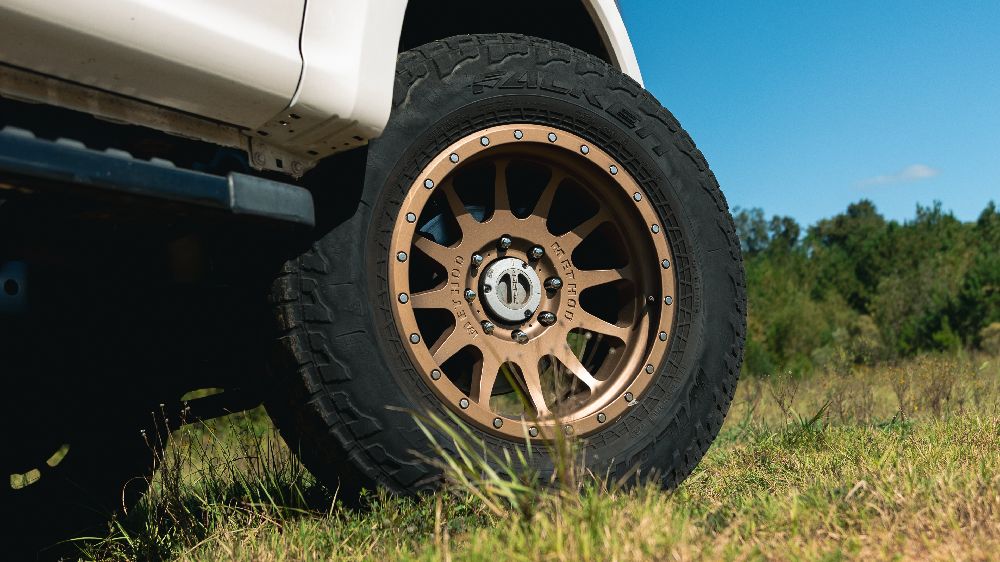
For trucks that see both trail time and highway miles, a balanced all-terrain tire (like the Toyo Open Country A/T III or Falken Wildpeak A/T3W) offers the best compromise.


4. Tire Size and Drivetrain Stress

Upsizing tires doesn’t just affect performance—it changes the mechanical load on your drivetrain.

  • Larger tires alter gear ratios, which can reduce torque and increase strain on transmission components.

  • Axle and suspension wear accelerate if your truck isn’t properly aligned or geared.

  • Steering and braking systems may need upgrades to handle the extra rotational mass.

Before upsizing, make sure your truck’s brakes, gears, and suspension are in top shape—and always get an alignment after installation.


5. Finding the Perfect Tire Size

The best tire size depends on how you use your truck:

Driving StyleRecommended Tire SizeIdeal Tire Type
Daily Driving / HighwayStock to +1 inchAll-Season or Mild All-Terrain
Weekend Off-Roading+2 to +3 inchesAll-Terrain
Heavy Off-Road / Overlanding+3 inches or moreMud-Terrain or Hybrid Terrain
Towing / HaulingSlightly taller, not widerAll-Terrain or Highway-Terrain

Pro Tip: Use a tire size calculator before buying to confirm fitment, speedometer accuracy, and clearance inside your fenders or wheel wells.


Capability and Cosmetics...at What Cost?

Bigger tires can make your truck look tougher, perform better off-road, and handle rough terrain with ease—but they come with trade-offs. A balanced tire size upgrade gives you the traction and ground clearance you want without sacrificing daily drivability or fuel economy.

👉 At our shop, we carry a full range of off-road and all-terrain tires from brands like BFGoodrich, Toyo, Nitto, Falken, and Yokohama—available in every size from mild upgrades to full trail setups. Stop in or shop online to find the perfect fit for your truck today.

Comments (0) details

Tire Rotations, Balancing, and Alignment: How to Extend Off-Road Tire Life

Off-road tires are a major investment, and how you maintain them directly affects their performance, comfort, and longevity. Routine rotations, balancing, and alignment aren’t just maintenance tasks—they’re essential practices that keep your truck safe and your tires wearing evenly. In this article, we’ll explain how each service plays a critical role in tire care. You’ll learn how to spot uneven wear before it becomes a problem, how often to schedule maintenance depending on your driving style, and how proper setup improves off-road traction and ride quality. Whether your truck spends most of its time on pavement or tackling backcountry trails, these tire care fundamentals will help you protect your investment and get the most miles out of every tread.

Comments (0) details

Top 5 All-Terrain Tires for Daily Drivers and Weekend Off-Roaders

If your truck has to pull double duty—commuting comfortably during the week and handling trails on the weekend—all-terrain (A/T) tires are the perfect solution. They deliver a smooth ride on pavement while offering enough bite for dirt, gravel, and light mud.

But not all A/T tires are built the same. Some prioritize comfort and tread life, while others lean toward traction and durability. To help you find the right balance, here are five of the best all-terrain tires for drivers who need both daily reliability and weekend adventure.


What You’ll Learn in This Guide

In this article, we’ll cover:

  • The top-performing A/T tires for real-world use.

  • How each tire balances on-road comfort vs. off-road grip.

  • Pricing, tread life, and performance insights from long-term users.

  • Which tires make the most sense for your build and driving habits.

By the end, you’ll know exactly which all-terrain tire fits your truck, your budget, and your lifestyle.


1. BFGoodrich All-Terrain T/A KO2

A proven legend, the KO2 is one of the most recognizable names in off-road tires—and for good reason.

  • Performance: Excellent all-around traction on gravel, sand, and snow. Sidewalls are reinforced for durability and puncture resistance.

  • Comfort: Surprisingly quiet for such an aggressive tread pattern.

  • Tread Life: Up to 50,000+ miles with regular rotation.

  • Pricing: $$ – Mid-range.

  • Best For: Drivers who want maximum reliability and balanced performance.

The KO2 remains the benchmark for all-terrain tires that truly do everything well.


2. Falken Wildpeak A/T3W

A fan favorite among overlanders, the Wildpeak A/T3W delivers confidence both on the road and in rough terrain.

  • Performance: Deep tread blocks and silica compound excel in wet, snow, and rocky conditions.

  • Comfort: One of the quietest A/Ts available—great for daily drivers.

  • Tread Life: 55,000-mile warranty; excellent wear resistance.

  • Pricing: $ – Budget-friendly without sacrificing quality.

  • Best For: Daily drivers who frequently explore backroads or mild trails.

It’s one of the best “value per mile” tires in the all-terrain market.


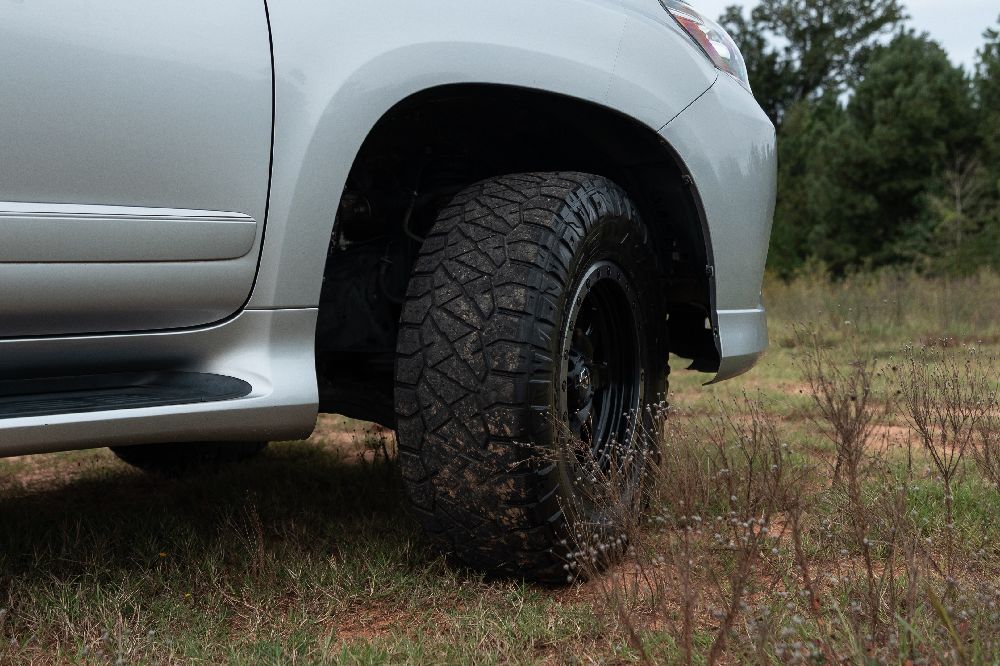
3. Nitto Ridge Grappler

The Ridge Grappler blurs the line between an all-terrain and a mud-terrain tire, making it ideal for aggressive builds that still see street use.

  • Performance: Hybrid tread provides serious grip off-road but stays stable at highway speeds.

  • Comfort: Slightly louder than standard A/Ts but smoother than most M/Ts.

  • Tread Life: 40,000–50,000 miles, depending on driving style.

  • Pricing: $$$ – Premium.

  • Best For: Weekend warriors who want aggressive looks and strong trail capability.

Perfect if you want off-road muscle without fully committing to mud tires.


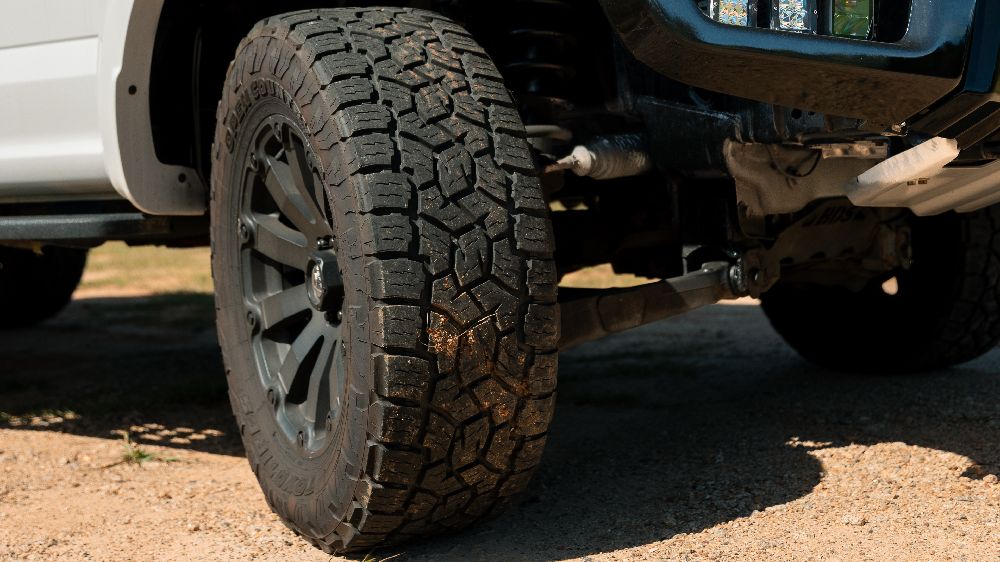
4. Toyo Open Country A/T III

Toyo’s A/T III is one of the newest entries in the segment and delivers exceptional on-road manners with rugged performance.

  • Performance: Improved tread block rigidity gives great traction on dirt and gravel.

  • Comfort: Smooth, quiet, and very stable on the highway.

  • Tread Life: 60,000-mile warranty for P-metric sizes.

  • Pricing: $$ – Mid-range.

  • Best For: Overlanders and daily drivers who demand comfort without compromise.

It’s a modern, refined tire for drivers who split time evenly between pavement and trail.


5. Yokohama Geolandar A/T G015

For drivers who want comfort, longevity, and solid off-road confidence, the Geolandar A/T G015 is a smart choice.

  • Performance: Great traction in wet, gravel, and snowy conditions with a tread design optimized for stability.

  • Comfort: Among the quietest all-terrain tires available, ideal for highway driving.

  • Tread Life: Up to 60,000 miles depending on size and driving conditions.

  • Pricing: $ – Budget-friendly and long-lasting.

  • Best For: Daily-driven trucks that still see occasional trail or camping use.

It’s an excellent option for anyone who wants a capable all-terrain tire that rides like a street tire.


Choosing the Right All-Terrain Tire

When picking your next set of A/Ts, think about how you drive most of the time:

  • 70% Street / 30% Trail: Go with the Falken A/T3W or Toyo A/T III for comfort and longevity.

  • 50% Street / 50% Trail: The BFG KO2 or Duratrac strike the best balance.

  • 30% Street / 70% Trail: The Nitto Ridge Grappler delivers superior off-road grip while staying road-legal.


All-terrain tires are about balance—and these five models hit that balance perfectly. Whether you’re commuting daily, exploring gravel roads, or tackling your first trail run, these tires will give you the traction, comfort, and confidence your build deserves.

👉 At our shop, we stock all-terrain tires from BFGoodrich, Toyo, Falken, Nitto, Yokohama and more—so whether you’re after quiet comfort or aggressive performance, we’ve got the perfect set to fit your truck and your budget.

Comments (0) details

All-Terrain vs. Mud-Terrain Tires: Which Is Better for Overlanding?

When it comes to overlanding, your tires are one of the most important choices you’ll make. They determine not only how well your vehicle performs off-road, but also how comfortable and efficient it is during long highway stretches between destinations.

Two tire types dominate the conversation: all-terrain (A/T) and mud-terrain (M/T). Both have their strengths, but they serve different purposes. If you’re planning an overland trip, choosing the right one can mean the difference between a smooth adventure and a stressful slog.

Let’s break down the pros and cons of each and help you find the perfect setup for your build.


What You’ll Learn in This Guide

In this article, we’ll cover:

  • How all-terrain and mud-terrain tires differ in design and performance.

  • The advantages and drawbacks of each for overlanding and mixed-use driving.

  • Key factors like tread wear, noise, comfort, and fuel economy.

  • Recommendations for who should choose which tire type.

By the end, you’ll know exactly which tire suits your overlanding setup best.


All-Terrain Tires: The Balanced Performer

All-terrain tires are built for drivers who split time between pavement and dirt. They’re designed to handle mild off-road terrain while remaining quiet and comfortable on the highway.

  • Utility: Excellent for long-distance travel where you’ll see a mix of pavement, gravel, and light trails.

  • Aesthetics: Rugged tread gives your vehicle a capable look without going overboard.

  • Performance: Great traction on dirt and gravel; adequate in light mud and sand.

  • Comfort: Quieter and smoother on pavement, ideal for long road days.

  • Tread Life: Typically lasts longer due to a harder rubber compound.

Best for: Daily-driven trucks and SUVs that spend 70–80% of their time on-road but still need trail capability.


Mud-Terrain Tires: The Off-Road Specialist

Mud-terrain tires are built for maximum grip in the toughest off-road environments—deep mud, rocks, and sand.

  • Utility: Superior traction in wet, muddy, or rocky conditions.

  • Aesthetics: Aggressive tread and sidewall lugs give a true off-road look.

  • Performance: Excellent in mud and loose terrain but can feel rough on pavement.

  • Comfort: Louder and stiffer on the highway compared to all-terrains.

  • Tread Life: Softer compounds mean faster wear, especially on long road trips.

Best for: Dedicated off-road builds or overlanders who explore rugged, remote trails where traction matters most.


Overlanding Tire Comparison

FeatureAll-Terrain TiresMud-Terrain Tires
Traction (Dirt/Gravel)ExcellentExcellent
Traction (Mud/Sand)ModerateSuperior
Road NoiseQuietLoud
ComfortSmoothRougher ride
Fuel EconomyBetterWorse
Tread LifeLongerShorter
Best ForDaily drivers and mixed terrainRemote trails and extreme terrain

Choosing the Right Tire for Your Overland Rig

When deciding between A/T and M/T tires, think about where you’ll spend most of your time.

  • Mostly Pavement and Light Trails: Go with all-terrain tires. They’re efficient, quiet, and last longer—perfect for long road trips and mild trails.

  • Rough Trails and Technical Terrain: Mud-terrains are worth the trade-off. They offer unbeatable grip and toughness for backcountry travel.

  • Balanced Builds: Some overlanders keep two sets—A/Ts for daily use and M/Ts for serious trips. It’s more expensive but ensures the best of both worlds.


Find What Works for You

There’s no one-size-fits-all answer to the A/T vs. M/T debate. For overlanding, all-terrains often make the most sense due to their versatility, longevity, and comfort on long drives. But if your adventures take you deep into rugged, muddy, or rocky territory, mud-terrains deliver the grip and confidence you’ll need.

👉 At our shop, we carry a full lineup of all-terrain and mud-terrain tires from the top off-road brands—so whether your overland trips stick to gravel roads or push deep into the wild, we’ve got the perfect tires to get you there and back safely.

Comments (0) details