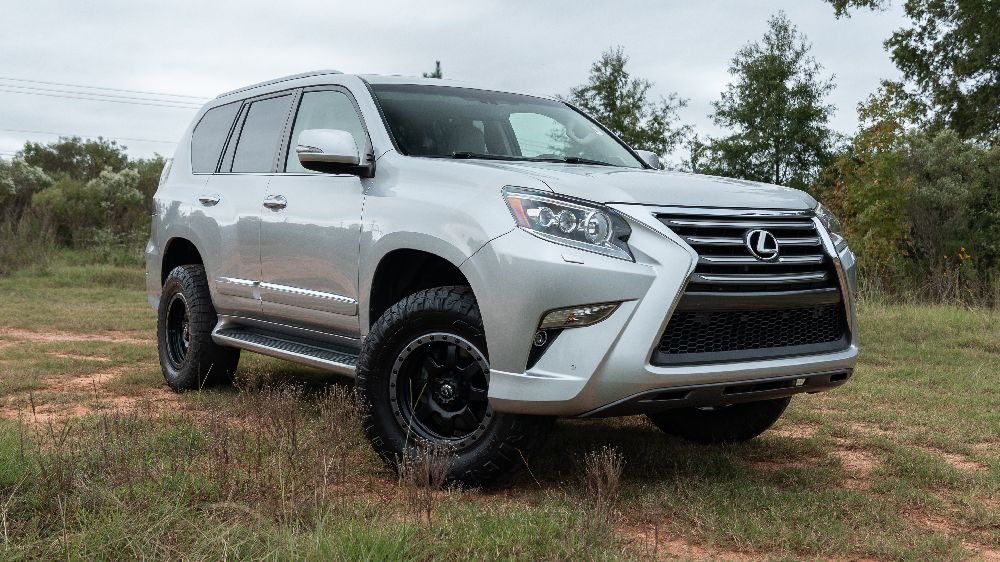
When it comes to overlanding, your tires are one of the most important choices you’ll make. They determine not only how well your vehicle performs off-road, but also how comfortable and efficient it is during long highway stretches between destinations.
Two tire types dominate the conversation: all-terrain (A/T) and mud-terrain (M/T). Both have their strengths, but they serve different purposes. If you’re planning an overland trip, choosing the right one can mean the difference between a smooth adventure and a stressful slog.
Let’s break down the pros and cons of each and help you find the perfect setup for your build.
What You’ll Learn in This Guide
In this article, we’ll cover:
How all-terrain and mud-terrain tires differ in design and performance.
The advantages and drawbacks of each for overlanding and mixed-use driving.
Key factors like tread wear, noise, comfort, and fuel economy.
Recommendations for who should choose which tire type.
By the end, you’ll know exactly which tire suits your overlanding setup best.
All-Terrain Tires: The Balanced Performer
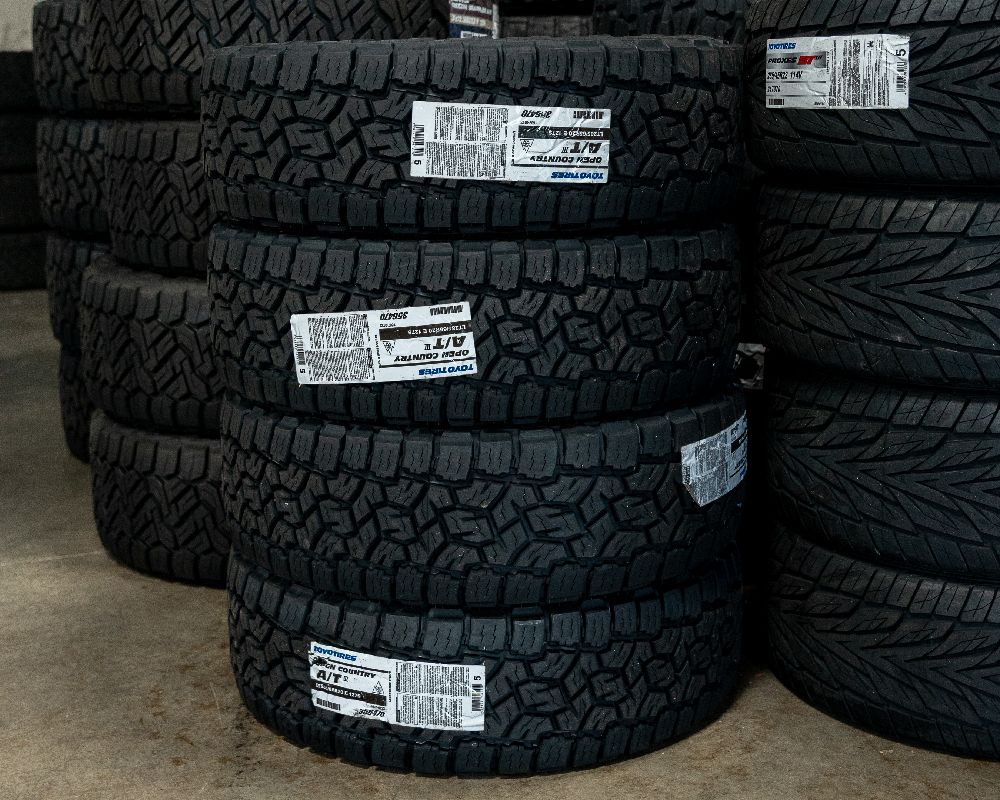
All-terrain tires are built for drivers who split time between pavement and dirt. They’re designed to handle mild off-road terrain while remaining quiet and comfortable on the highway.
Utility: Excellent for long-distance travel where you’ll see a mix of pavement, gravel, and light trails.
Aesthetics: Rugged tread gives your vehicle a capable look without going overboard.
Performance: Great traction on dirt and gravel; adequate in light mud and sand.
Comfort: Quieter and smoother on pavement, ideal for long road days.
Tread Life: Typically lasts longer due to a harder rubber compound.
Best for: Daily-driven trucks and SUVs that spend 70–80% of their time on-road but still need trail capability.
Mud-Terrain Tires: The Off-Road Specialist

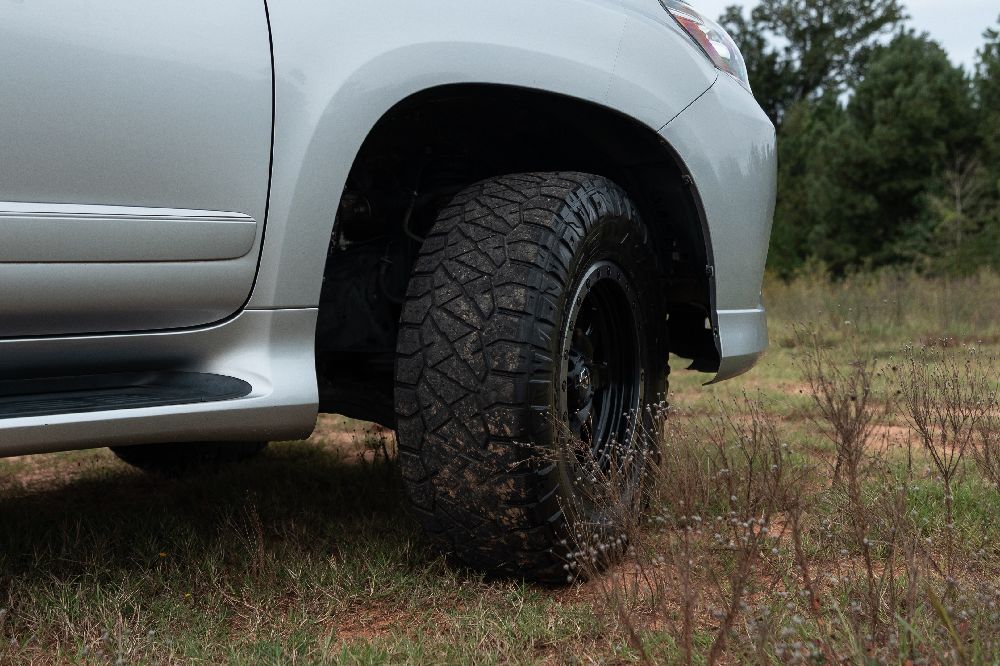
Mud-terrain tires are built for maximum grip in the toughest off-road environments—deep mud, rocks, and sand.
Utility: Superior traction in wet, muddy, or rocky conditions.
Aesthetics: Aggressive tread and sidewall lugs give a true off-road look.
Performance: Excellent in mud and loose terrain but can feel rough on pavement.
Comfort: Louder and stiffer on the highway compared to all-terrains.
Tread Life: Softer compounds mean faster wear, especially on long road trips.
Best for: Dedicated off-road builds or overlanders who explore rugged, remote trails where traction matters most.
Overlanding Tire Comparison
| Feature | All-Terrain Tires | Mud-Terrain Tires |
|---|---|---|
| Traction (Dirt/Gravel) | Excellent | Excellent |
| Traction (Mud/Sand) | Moderate | Superior |
| Road Noise | Quiet | Loud |
| Comfort | Smooth | Rougher ride |
| Fuel Economy | Better | Worse |
| Tread Life | Longer | Shorter |
| Best For | Daily drivers and mixed terrain | Remote trails and extreme terrain |
Choosing the Right Tire for Your Overland Rig
When deciding between A/T and M/T tires, think about where you’ll spend most of your time.
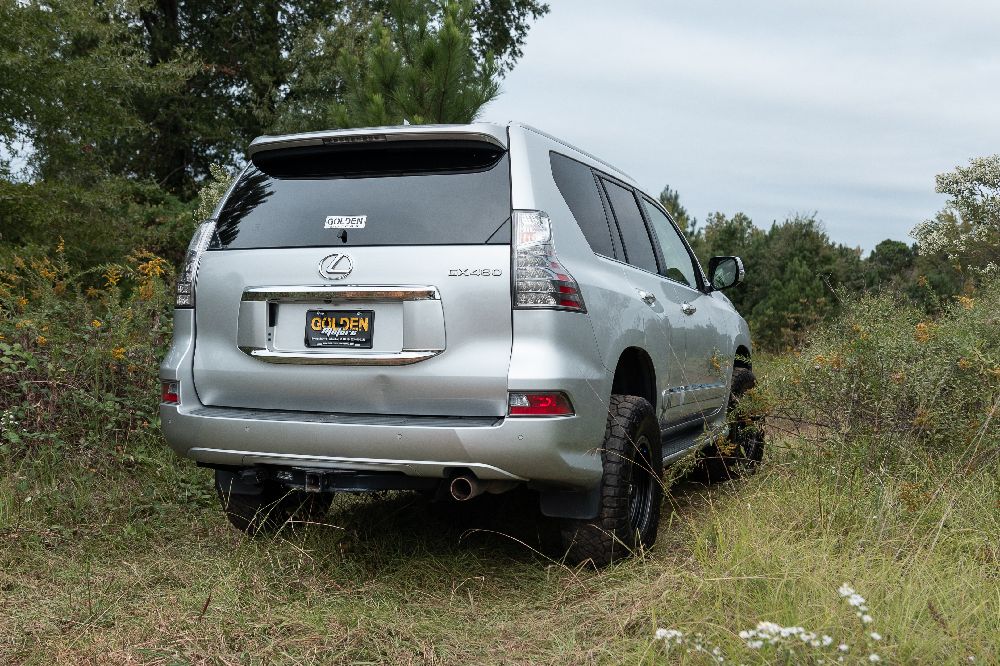
Mostly Pavement and Light Trails: Go with all-terrain tires. They’re efficient, quiet, and last longer—perfect for long road trips and mild trails.
Rough Trails and Technical Terrain: Mud-terrains are worth the trade-off. They offer unbeatable grip and toughness for backcountry travel.
Balanced Builds: Some overlanders keep two sets—A/Ts for daily use and M/Ts for serious trips. It’s more expensive but ensures the best of both worlds.
Find What Works for You
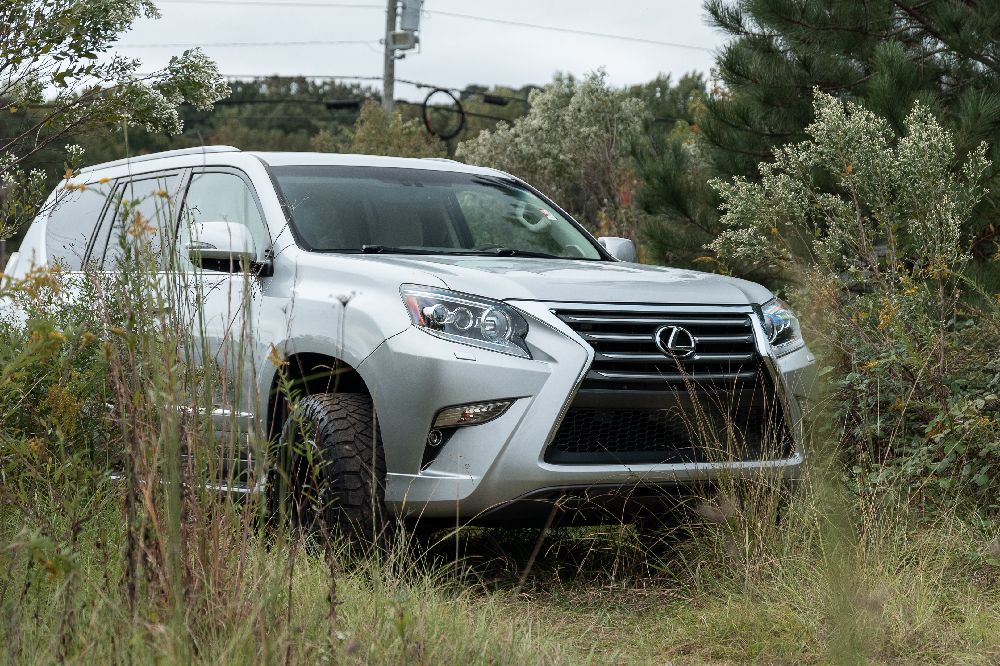
There’s no one-size-fits-all answer to the A/T vs. M/T debate. For overlanding, all-terrains often make the most sense due to their versatility, longevity, and comfort on long drives. But if your adventures take you deep into rugged, muddy, or rocky territory, mud-terrains deliver the grip and confidence you’ll need.
👉 At our shop, we carry a full lineup of all-terrain and mud-terrain tires from the top off-road brands—so whether your overland trips stick to gravel roads or push deep into the wild, we’ve got the perfect tires to get you there and back safely.