Blog posts of '2025' 'October'

Do Bigger Wheels Hurt Off-Road Performance? The Truth About 20s, 17s, and Beadlocks

Bigger wheels look great on trucks—but looks aren’t everything when you’re off-road. While 20-inch and 22-inch wheels dominate the show scene, most serious off-roaders prefer smaller diameters like 17s or 18s. The reason? Sidewall height, durability, and flexibility all matter more than shine when the pavement ends.

If you’re wondering whether bigger wheels help or hurt off-road performance, this guide breaks down what really happens when you upsize—and how to choose the right setup for your truck.


What You’ll Learn in This Guide

In this article, you’ll learn:

  • How wheel diameter and sidewall height impact traction and ride quality.

  • The pros and cons of 20-inch vs. 17-inch wheels for off-roading.

  • What beadlock wheels are and when you actually need them.

  • How to find the right balance between performance and looks.

By the end, you’ll know exactly what size and style of wheel works best for your build.


1. How Wheel Size Affects Off-Road Performance

Wheel size directly changes your tire’s sidewall height—the cushion between your wheel and the terrain.

  • Smaller Wheels (17s or 18s): Allow for taller tire sidewalls, which improve traction, ride comfort, and resistance to punctures.

  • Larger Wheels (20s+): Shorten sidewall height, reducing flexibility and making tires more prone to damage on rocks or ruts.

  • Sidewall Flex: Taller sidewalls conform better to uneven terrain, providing grip where stiff, low-profile tires can’t.

In short: smaller wheels = more tire, more grip, and more cushion.


2. Pros and Cons of 20-Inch Wheels

20-inch wheels are popular because they look aggressive and modern—but they’re not always trail-friendly.

  • Pros:

    • Great for street trucks or show builds.

    • Clear brake calipers on newer, larger brake systems.

    • Handle better on pavement due to lower sidewall flex.

  • Cons:

    • Limited sidewall height = less traction and comfort off-road.

    • Easier to dent or crack when aired down.

    • Heavier wheel/tire combo reduces acceleration and fuel economy.

If your truck spends 90% of its life on the road, 20s make sense. But for regular trail use, smaller is better.


3. Why 17-Inch Wheels Are the Off-Road Sweet Spot

17-inch wheels are the go-to size for serious off-roaders—and for good reason.

  • Sidewall Flex: Perfect balance of cushion and control when aired down.

  • Durability: Smaller diameter means stronger structure and less stress under load.

  • Weight Savings: Lighter setups improve handling and fuel efficiency.

  • Tire Options: Most off-road tires (33s, 35s, 37s) are optimized for 17-inch wheels.

That’s why factory off-road trims like the Tacoma TRD Pro, Wrangler Rubicon, and F-150 Raptor all come on 17s.


4. The Truth About Beadlocks

Beadlock wheels lock the tire bead to the rim with a bolted ring—preventing it from popping off when aired down to extremely low pressures.

  • When You Need Them:

    • Rock crawling or sand running below 15 PSI.

    • Hardcore off-road rigs or competition vehicles.

  • When You Don’t:

    • Daily driving or mild trail use—standard wheels with quality tires perform just fine.

Pro Tip: True beadlocks aren’t DOT-approved for highway use in most states, but simulated beadlocks give you the look without legal issues.


5. Finding the Right Setup for Your Build

The right wheel size depends on how you use your truck:

Use CaseRecommended Wheel SizeIdeal Tire SizeSuggested Setup
Daily Driver / Show Build20–22 inches33–35 inch A/TStylish street-friendly setup
Weekend Off-Roader17–18 inches33–37 inch A/T or M/TBalanced performance & comfort
Serious Trail Rig17 inches or beadlocks35–40 inch M/TMaximum traction & durability

If you want both looks and capability, 17- or 18-inch wheels strike the best balance between off-road performance and daily comfort.


Final Thoughts

Bigger wheels might win on style, but smaller wheels win on performance. A 17-inch setup with a larger sidewall gives you more traction, better ride quality, and less risk of trail damage—while still looking great with the right wheel design.

👉 At our shop, we carry 17-inch, 18-inch, and 20-inch off-road wheels from brands like Method, Fuel, Black Rhino, and KMC—plus true and simulated beadlocks for serious trail rigs. Whether you’re chasing looks or capability, we’ve got the perfect setup for your truck.

Comments (0) details

Are 37-Inch Tires Worth It? Pros, Cons, and What to Expect

If 35s are bold, 37-inch tires are a statement. They’re massive, aggressive, and instantly transform any truck or SUV into a trail-dominating beast. But as impressive as they look, running 37s isn’t just a cosmetic change—it’s a major step up in performance, capability, and cost.

Before you order that new tire and wheel setup, it’s worth understanding how 37-inch tires affect your truck’s power, handling, and daily drivability.


What You’ll Learn in This Guide

In this article, you’ll learn:

  • The advantages and drawbacks of upgrading to 37-inch tires.

  • How they impact clearance, gearing, suspension, and fuel economy.

  • What supporting modifications are needed to run them safely.

  • Whether 37s are worth it for your style of driving and off-road goals.

By the end, you’ll know exactly what to expect before making the jump.


1. The Benefits of 37-Inch Tires

The most obvious advantage of 37s is capability. Larger tires increase ground clearance, approach and departure angles, and traction—all crucial for serious off-road performance.

  • Ground Clearance: 37s can add nearly two inches of extra clearance over 35s, helping you clear rocks, ruts, and obstacles more easily.

  • Traction: The larger contact patch provides better grip on dirt, sand, and loose terrain.

  • Aesthetics: 37s give trucks and SUVs a commanding stance that turns heads on and off the trail.

  • Durability: Most 37-inch tires are built with reinforced sidewalls and aggressive tread patterns designed for heavy-duty use.

For off-roaders tackling rocky terrain, mud, or deep sand, 37s are hard to beat.


2. The Downsides of 37-Inch Tires

The jump from 35s to 37s might seem small on paper, but it comes with real trade-offs—especially if you drive your truck daily.

  • Reduced Fuel Economy: Larger, heavier tires require more power to turn, cutting MPG significantly.

  • Slower Acceleration: Unless you re-gear, your truck will feel more sluggish off the line and under load.

  • Increased Wear: Steering, suspension, and braking components all take on more stress.

  • Higher Costs: 37-inch tires are more expensive to buy, mount, and balance—and replacement prices add up.

Pro Tip: If you plan to daily drive your truck, the added weight and rolling resistance may outweigh the benefits of going that big.


3. Supporting Mods You’ll Need for 37s

Running 37s safely isn’t as simple as bolting them on. You’ll need supporting upgrades to handle the size and weight properly.

  • Lift Kit: Minimum of 3–4 inches (5–6 recommended) for proper clearance.

  • Re-Gearing: Common ratios are 4.56 or 4.88, depending on drivetrain and tire weight.

  • Trimming / Fender Mods: Larger tires can rub at full lock or under flex—especially on IFS setups.

  • Upgraded Steering Components: Tie rods, ball joints, and control arms often need reinforcement.

  • Brakes: Consider upgraded rotors and pads for better stopping power.

If you skip these supporting mods, expect rubbing, sluggish throttle response, and premature wear on drivetrain components.


4. How 37s Affect Ride Quality

Larger tires change how your truck feels on the road.

  • Ride Comfort: The extra sidewall cushions bumps, improving comfort at low speeds.

  • Handling: Body roll increases and steering response slows—especially on lifted trucks.

  • Noise: Aggressive tread patterns hum louder at highway speeds.

37s aren’t unbearable for daily use, but you’ll definitely feel the difference if you’re used to stock tires or smaller all-terrains.


5. Are 37s Right for You?

Ask yourself how you actually use your truck:

Driving StyleAre 37s Worth It?Recommended Setup
Daily DriverNot Ideal33–35” A/Ts for balance and comfort
Weekend Off-RoaderMaybe35” M/Ts or lightweight 37s with re-gear
Dedicated Trail RigAbsolutely37” or 38” M/Ts with lift, gears, and armor

If your truck spends most of its time off-road or you’re building a show-stopping rig, 37s make sense. For mixed-use vehicles, 35s often provide a better all-around experience.


37-inch tires deliver unbeatable off-road performance and jaw-dropping looks, but they also demand proper setup and commitment. If you’re ready to invest in gears, suspension, and supporting components, 37s can take your build to the next level.

👉 At our shop, we stock 37-inch all-terrain and mud-terrain tires from top brands like Nitto, Toyo, BFGoodrich, and Mickey Thompson—along with lift kits, re-gearing components, and wheel packages to match. Let us help you build a truck that’s as capable as it looks.

Comments (0) details

How Tire Size Affects Performance, MPG, and Ride Quality on Your Truck

Upgrading your truck’s tires can completely change the way it looks and drives—but tire size affects far more than just appearance. Larger tires can improve traction and ground clearance, but they also impact fuel economy, acceleration, and comfort.

Whether you’re upgrading to 33s, 35s, or something even bigger, understanding how tire size influences performance will help you make the right choice for your build and driving style.


What You’ll Learn in This Guide

In this article, we’ll cover:

  • How tire diameter and width affect acceleration, handling, and off-road traction.

  • The impact on fuel economy and ride comfort when upsizing tires.

  • How to find the right tire size balance for your truck and lifestyle.

  • Tips for maintaining performance when running larger tires.

By the end, you’ll know exactly how tire sizing plays into your truck’s capability—and how to pick the perfect setup for your goals.


1. Tire Size and Performance

Tire size directly affects how your truck accelerates, handles, and grips the road or trail.

  • Larger Tires: Offer better ground clearance and traction off-road but reduce acceleration and can strain your drivetrain if not re-geared properly.

  • Smaller Tires: Provide quicker acceleration and improved on-road handling but limit off-road performance and clearance.

  • Wider Tires: Increase the contact patch for more grip but may hydroplane more easily and reduce steering response on pavement.

Pro Tip: If you upgrade more than 1–2 inches in diameter, consider re-gearing your differentials to restore power and throttle response.


2. Tire Size and Fuel Economy

One of the biggest trade-offs with larger tires is fuel economy.

  • Heavier tires require more energy to rotate, which increases fuel consumption.

  • Increased rolling resistance and drag from wider tread designs further reduce MPG.

  • Larger diameters throw off speedometer readings, making it seem like your truck is getting better mileage than it really is.

If maximizing MPG matters, stick with a mild tire upgrade or a lightweight all-terrain design to balance performance and efficiency.


3. Tire Size and Ride Quality

Ride comfort often changes when you switch tire sizes—especially when you increase wheel diameter or reduce sidewall height.

  • Bigger tires with taller sidewalls absorb bumps and uneven terrain better, offering a smoother ride off-road.

  • Low-profile tires look aggressive but can feel harsh on pavement and transmit more road noise.

  • Heavier tires may also amplify vibration if they’re not properly balanced.

For trucks that see both trail time and highway miles, a balanced all-terrain tire (like the Toyo Open Country A/T III or Falken Wildpeak A/T3W) offers the best compromise.


4. Tire Size and Drivetrain Stress

Upsizing tires doesn’t just affect performance—it changes the mechanical load on your drivetrain.

  • Larger tires alter gear ratios, which can reduce torque and increase strain on transmission components.

  • Axle and suspension wear accelerate if your truck isn’t properly aligned or geared.

  • Steering and braking systems may need upgrades to handle the extra rotational mass.

Before upsizing, make sure your truck’s brakes, gears, and suspension are in top shape—and always get an alignment after installation.


5. Finding the Perfect Tire Size

The best tire size depends on how you use your truck:

Driving StyleRecommended Tire SizeIdeal Tire Type
Daily Driving / HighwayStock to +1 inchAll-Season or Mild All-Terrain
Weekend Off-Roading+2 to +3 inchesAll-Terrain
Heavy Off-Road / Overlanding+3 inches or moreMud-Terrain or Hybrid Terrain
Towing / HaulingSlightly taller, not widerAll-Terrain or Highway-Terrain

Pro Tip: Use a tire size calculator before buying to confirm fitment, speedometer accuracy, and clearance inside your fenders or wheel wells.


Capability and Cosmetics...at What Cost?

Bigger tires can make your truck look tougher, perform better off-road, and handle rough terrain with ease—but they come with trade-offs. A balanced tire size upgrade gives you the traction and ground clearance you want without sacrificing daily drivability or fuel economy.

👉 At our shop, we carry a full range of off-road and all-terrain tires from brands like BFGoodrich, Toyo, Nitto, Falken, and Yokohama—available in every size from mild upgrades to full trail setups. Stop in or shop online to find the perfect fit for your truck today.

Comments (0) details

Tire Rotations, Balancing, and Alignment: How to Extend Off-Road Tire Life

Off-road tires are a major investment, and how you maintain them directly affects their performance, comfort, and longevity. Routine rotations, balancing, and alignment aren’t just maintenance tasks—they’re essential practices that keep your truck safe and your tires wearing evenly. In this article, we’ll explain how each service plays a critical role in tire care. You’ll learn how to spot uneven wear before it becomes a problem, how often to schedule maintenance depending on your driving style, and how proper setup improves off-road traction and ride quality. Whether your truck spends most of its time on pavement or tackling backcountry trails, these tire care fundamentals will help you protect your investment and get the most miles out of every tread.

Comments (0) details

Top 5 Black Rhino & Fuel Wheels That Redefine Off-Road Performance in 2025

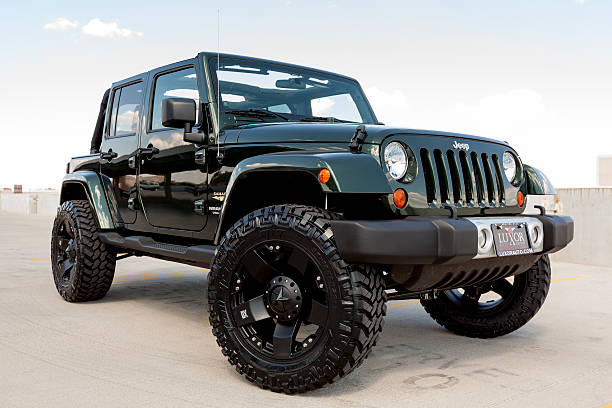
Jeep Wrangler Scottsdale, United States - September 16, 2011: A parked green Jeep Wrangler, this particular Jeep has a custom lift kit and wheels. Rhino & Fuel Wheels stock pictures, royalty-free photos & images

Off-road enthusiasts know that the right wheels make all the difference between an ordinary drive and an unforgettable adventure. In 2025, Black Rhino and Fuel Off-Road wheels are leading the charge, offering unmatched strength, durability, and style for serious off-roaders.

At Golden Offroad, we bring together the best off-road wheel brands to help drivers elevate performance, improve handling, and turn every trail into an experience worth remembering.

Whether you’re upgrading your truck for weekend trails or building a high-performance off-road machine, this guide highlights the Top 5 Black Rhino and Fuel Wheels redefining truck wheel performance in 2025.

Fuel vs Black Rhino Wheels Comparison

Before we dive into the top models, it’s important to understand how these two powerhouse brands stack up in 2025.

Fuel Off-Road Wheels

Fuel Off-Road has built a strong reputation among enthusiasts for its aggressive designs, high-performance alloys, and trail-ready construction. Their wheels balance style with substance, making them ideal for drivers who want a rugged, bold look without compromising durability.

Black Rhino Wheels

Black Rhino focuses on alloy wheels durability and engineers' toughness. Designed for both on-road comfort and hardcore off-road demands, Black Rhino wheels are built to withstand heavy loads and rough terrain, perfect for trucks, SUVs, and overlanding rigs.

In the Fuel vs Black Rhino wheels comparison, both deliver exceptional quality, but Fuel tends to push aesthetic boundaries, while Black Rhino emphasizes structural strength and utility.

At Golden Offroad, we carry both brands because each has its strengths depending on your vehicle, terrain, and driving style.

1. Black Rhino Abrams – Built for Power and Purpose

The Black Rhino Abrams continues to be one of the toughest off-road wheels in the lineup.

Rugged Design Meets Functional Engineering

Inspired by military-grade durability, the Abrams wheel offers a deep lip design that pairs perfectly with lifted trucks and heavy-duty rigs. Its rotary-forged alloy construction enhances performance by reducing weight while maintaining impressive strength.

Performance Advantage

  • Ideal for drivers seeking strength and load capacity.

  • Scratch-resistant matte finishes enhance long-term appeal.

  • Reinforced spokes ensure excellent alloy wheel durability on challenging terrain.

This wheel is not just about looks, it’s a performance beast. It’s designed for drivers who regularly take their trucks into extreme environments and expect their gear to hold up.

2. Fuel Maverick D538 – The Icon Returns Stronger in 2025

The Fuel Maverick D538 is one of the most recognizable wheels in the off-road world and the 2025 version takes innovation to the next level.

Style and Substance in One Package

The updated Maverick keeps its iconic split-spoke design, now enhanced with refined machining and new gloss-black finishes. Fuel engineers have optimized the wheel’s strength-to-weight ratio, giving it superior impact resistance while improving fuel efficiency.

Performance Highlights

  • Designed for lifted and leveled trucks.

  • Available in a range of sizes for trucks, SUVs, and Jeeps.

  • Enhanced corrosion resistance for long-term use.

In Fuel Off-Road wheels comparisons, the Maverick remains a best-seller for its combination of style, versatility, and unmatched truck wheel performance.

3. Black Rhino Armory – Tactical Strength Redefined

The Black Rhino wheel brings military-grade toughness to civilian off-roaders.

Aggressive and Distinctive Design

The Armory’s design features a bold, bolted faceplate that gives any truck a commanding presence. Its unique appearance and solid build make it a favourite among off-roaders who prioritize durability and visual impact.

Performance Features

  • Heavy-duty alloy construction for maximum toughness.

  • Compatible with both beadlock and non-beadlock tire setups.

  • Excellent weight capacity for overland and towing applications.

If your off-road adventures involve rocky trails or rugged landscapes, the Armory is designed to handle it all, proving Black Rhino’s commitment to engineering excellence.

4. Fuel Rebel D679 – Lightweight Strength for Modern Trucks

The Fuel Rebel D679 is one of the most advanced new off-road wheels 2025 has to offer.

Optimized for Modern Performance

Using advanced alloy construction, the Rebel combines lightweight design with superior strength. Its concave profile gives a sleek, modern look while maintaining off-road capability.

Why Drivers Love It

  • Perfect balance of aggressive styling and functional design.

  • Excellent for daily drivers and weekend off-roaders alike.

  • Available in multiple finishes, including matte bronze and gunmetal.

The Rebel represents Fuel Off-Road wheels’ dedication to innovation, a wheel that’s as capable in the city as it is on the trail.

5. Black Rhino Primm Beadlock – Serious Performance for Hardcore Off-Roaders

For those who demand the ultimate in off-road performance, the Black Rhino Primm Beadlock stands as the brand’s flagship wheel.

True Beadlock Engineering

Built for professional-grade off-roading, the Primm Beadlock features a fully functional beadlock system that secures the tire bead to the rim. This prevents de-beading during extreme rock crawling or low-pressure driving.

Built to Last

  • Forged from high-strength aluminum alloy.

  • Perfect for lifted and overland vehicles.

  • Exceptional off-road traction and wheel integrity under pressure.

For individuals feeling stuck with underperforming wheels or seeking to upgrade for ultimate control, the Primm Beadlock delivers both form and function.

Why Alloy Wheels Durability Matters

When it comes to off-road driving, not all wheels are created equal. Alloy wheel durability is a key factor that defines long-term performance, especially in rugged terrains.

High-quality alloys resist corrosion, reduce unsprung weight, and improve ride comfort. Both Black Rhino and Fuel Off-Road wheels utilize cutting-edge materials and processes to enhance strength without compromising aesthetics.

If you’re investing in new off-road wheels for 2025, choosing durable alloy wheels ensures that your vehicle can handle every obstacle, from muddy trails to rocky inclines.

Top 2025 Off-Road Wheel Trends

The off-road wheel market continues to evolve, and 2025 is all about performance-driven design and durability.

  • Lightweight Construction: More models now use rotary forging to reduce mass while maintaining strength.

  • Custom Finishes: Matte bronze, gunmetal, and gloss black dominate the trend charts.

  • Hybrid Styles: A mix of concave and deep-lip designs are rising in popularity.

  • Sustainability: Brands are exploring eco-conscious manufacturing practices without compromising quality.

At Golden Offroad, we’re proud to bring the latest styles and technologies to truck and SUV owners who want the best in off-road performance and design.

How to Choose Between Fuel and Black Rhino Wheels

If you’re torn between the two, consider these factors:

Choose Fuel Off-Road Wheels If:

  • You want bold, eye-catching aesthetics.

  • You value lightweight design for mixed driving.

  • You prefer modern finishes and customization options.

Choose Black Rhino Wheels If:

  • You prioritize structural strength and heavy-duty performance.

  • You need wheels for towing, overlanding, or extreme off-roading.

  • You appreciate rugged, tactical-inspired designs.

Ultimately, the right choice depends on how and where you drive. Explore the full range of wheels at Golden Offroad to find a perfect fit for your truck or SUV.

Why Choose Golden Offroad?

At Golden Offroad, we specialize in premium off-road performance solutions. Our selection includes Black Rhino, Fuel Off-Road, and other best off-road wheel brands designed for both adventure and everyday reliability.

We offer personalized recommendations, competitive pricing, and expert installation services to help you get the most from your investment.

If you’re unsure which wheels fit your truck, contact our expert team anytime through our contact page for guidance.

Conclusion

Upgrading your wheels isn’t just about style, it’s about unlocking your vehicle’s full potential. The Top 5 Black Rhino and Fuel Off-Road wheels of 2025 redefine durability, design, and performance for modern off-roaders.

Whether you prefer the tactical strength of Black Rhino or the innovative designs of Fuel Off-Road wheels, each model offers the perfect balance of power and precision.

At Golden Offroad, we’re here to help you choose wheels that match your driving goals so you can explore more, perform better, and look great doing it.

FAQs About Black Rhino & Fuel Off-Road Wheels

1. Which is better, Fuel or Black Rhino wheels?
Both are top-tier brands. Fuel focuses on bold design and innovation, while Black Rhino is known for strength and durability, your choice depends on style and driving needs.

2. Are Black Rhino wheels good for daily driving?
Yes. They offer excellent comfort, strength, and corrosion resistance, making them great for both off-road and city use.

3. What makes Fuel Off-Road wheels popular?
Their cutting-edge design, lightweight alloys, and performance-tested durability make them one of the best off-road wheel brands available.

4. How do I choose the right size for my truck?
Check your vehicle specifications or visit our wheels page for size options and expert guidance.

5. Where can I buy Black Rhino or Fuel wheels?
You can explore all new off-road wheels for 2025 and get professional advice directly from Golden Offroad.
Comments (0) details