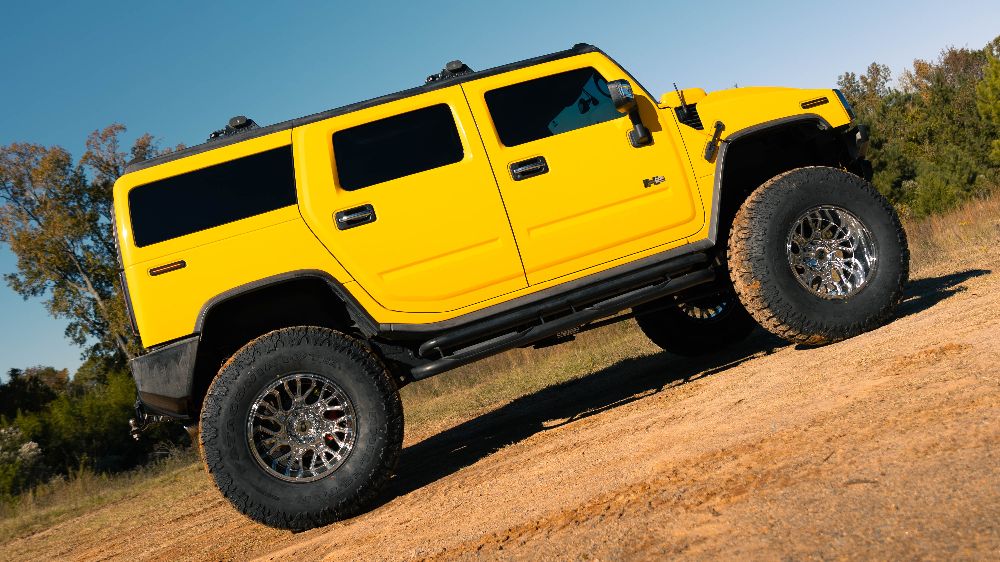
 Upgrading to 33s, 35s, or 37s can completely change how your truck looks and performs—but the tires are only half the equation. The wrong wheel size, width, or offset can cause rubbing, poor handling, and premature wear. The right setup, on the other hand, gives you clean fitment, better performance, and a dialed-in stance.
This guide breaks down real-world wheel and tire combos that work for most popular off-road trucks and SUVs, so you can spend less time guessing and more time driving.
What You’ll Learn in This Guide
In this article, we’ll cover:
The best wheel diameters for 33", 35", and 37" tires.
Recommended wheel widths and offsets/backspacing for clean fitment.
How to choose between 17", 18", and 20" wheels for your build.
Practical combos that balance performance, comfort, and stance.
By the end, you’ll know exactly what wheel size to pair with your tire upgrade.
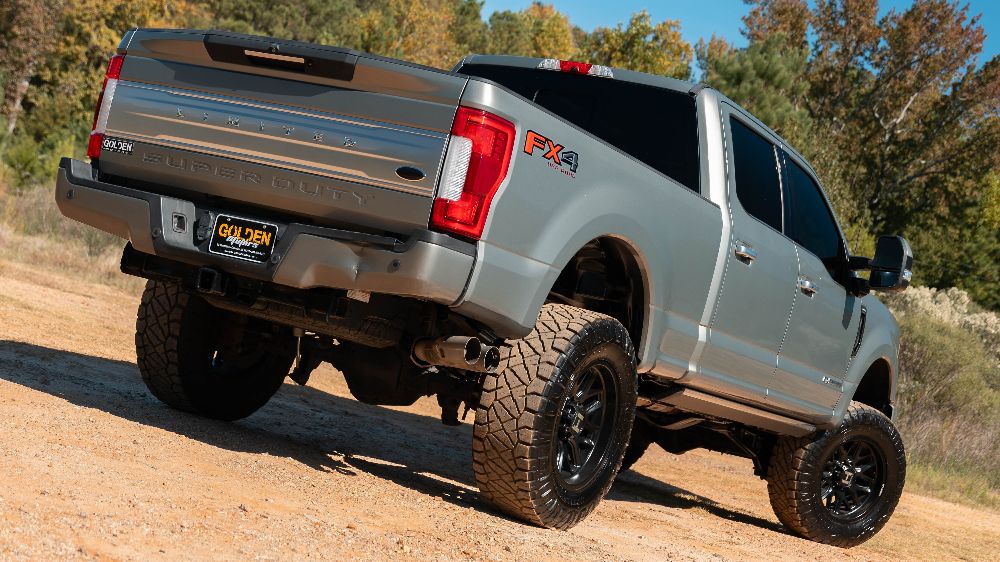
Why Wheel Size Matters
Wheel size isn’t just about looks—it directly affects:
Sidewall height: More sidewall = better flex, comfort, and off-road grip.
Fitment and rubbing: The wrong offset or width can cause rubbing on fenders or control arms.
Strength and durability: Smaller-diameter off-road wheels are usually stronger and better protected by the tire.
That’s why most serious off-road builds favor 17" or 18" wheels with larger tires, instead of big 20s+ with thin sidewalls.
Best Wheel Size for 33" Tires
Common size: 285/70R17, 285/75R16, 275/70R18 (roughly 33" tall)
33s are a perfect “step up” from stock for daily drivers that still see trail time.
Recommended wheel diameters:
17" – ideal for off-road and mixed-use.
18" – good for trucks with larger brakes or more street-focused builds.
Recommended wheel widths:
8.5" to 9" wide
Recommended offset / backspacing (general guidelines):
Offset: +0mm to +18mm for mild poke and good clearance on most trucks.
Backspacing: around 4.5"–5" for typical 17x9 wheels.
Great all-around 33" combos:
33x12.50R17 on a 17x9, 0mm wheel
285/70R17 on a 17x8.5, +10mm wheel
This gives you a slightly wider stance without going crazy, and generally works with a leveling kit or mild lift on many platforms.
Best Wheel Size for 35" Tires
Common size: 315/70R17, 295/70R18, 35x12.50R17
35s are the sweet spot for many off-road builds—aggressive look, serious capability.
Recommended wheel diameters:
17" – best for off-road and airing down.
18" – acceptable for mixed-use or newer trucks with big brakes.
Recommended wheel widths:
8.5" to 9" (for 12.5" wide tires, 9" is ideal)
Recommended offset / backspacing:
Offset: typically -12mm to +12mm, depending on truck and fender clearance.
Backspacing: around 4.5"–4.75" on a 17x9.
Sample 35" combos:
35x12.50R17 on 17x9, -12mm (wider stance, more poke, may need trimming on some trucks).
315/70R17 on 17x9, 0mm (cleaner, more tucked look; good for mild lifts).
Most trucks will need at least a 2–3" suspension lift or leveling kit and possibly minor trimming or crash bar mods to run 35s comfortably.
Best Wheel Size for 37" Tires
Common size: 37x12.50R17, 37x13.50R17, 37x12.50R18
37s are for serious builds—you’re fully committed at this point.
Recommended wheel diameters:
17" – the standard for off-road 37s.
18" – possible, but you’ll lose some sidewall.
Recommended wheel widths:
9" wide is the most common and practical.
Recommended offset / backspacing:
Offset: -24mm to 0mm, depending on axle width and fender clearance.
Backspacing: typically 4.25"–4.75" on a 17x9.
Sample 37" combos:
37x12.50R17 on 17x9, -12mm (aggressive stance, likely trimming & full lift).
37x12.50R17 on 17x9, 0mm (tucked slightly more, better for narrow trails).
Most rigs on 37s will need:
3.5–4"+ lift,
re-gearing,
possible fender trimming, and
reinforced steering / suspension components.
Quick Reference: Wheel & Tire Pairing Guide
Use this as a starting point (always confirm for your specific truck):
| Tire Size | Typical Use Case | Recommended Wheel Diameter | Recommended Width | Typical Offset Range |
|---|---|---|---|---|
| 33" | Daily + light trails | 17"–18" | 8.5"–9" | +0mm to +18mm |
| 35" | Weekend warrior | 17"–18" | 8.5"–9" | -12mm to +12mm |
| 37" | Serious off-road builds | 17" | 9" | -24mm to 0mm |
These ranges keep you in the “safe zone” for most modern half-ton and midsize trucks, but exact numbers will depend on wheel well size, suspension setup, and whether you want a tucked or poked stance.
How to Choose the Right Wheel Size for Your Build
When in doubt, base your choice on how you actually use your truck:
Mostly street, some dirt roads:
33s on 17x8.5 or 18x9, mild positive offset.
Daily driver + real weekend wheeling:
35s on 17x9, 0 to -12mm offset.
Dedicated off-road / overlanding rig:
37s on 17x9, -12mm (or more aggressive) with proper lift and supporting mods.
And always remember: clearance, alignment, and gearing matter just as much as the tire size itself.
The best wheel size for 33s, 35s, or 37s isn’t one magic number—it’s the combo that fits your truck, your trails, and your style. Start with your desired tire size, then choose a wheel diameter, width, and offset that gives you enough sidewall, clean clearance, and the stance you want.
👉 At our shop, we stock wheels andtires in the most popular 33", 35", and 37" setups, plus lift kits and accessories to match. If you’re not sure what will clear on your specific truck, our team can help you pick a proven combo that works—on the street and on the trail.
