Blog

How to Choose the Right Lift Kit for Your Truck: A Buyer’s Guide

A lift kit is one of the most popular upgrades for off-road trucks, and for good reason. Whether you’re after more ground clearance, better off-road capability, or simply a more aggressive stance, the right lift kit can completely transform your build. But with so many options on the market, choosing the right one can be overwhelming.

This buyer’s guide breaks down everything you need to know about lift kits—from types and utility to pricing and long-term performance—so you can pick the setup that fits your truck and your goals.


What You’ll Learn in This Guide

In this article, we’ll cover:

  • The different types of lift kits and what they’re best suited for.

  • How lift kits affect your truck’s utility and performance.

  • The aesthetic impact of a lift and how it changes your truck’s stance.

  • Pricing and installation costs, and what to expect for long-term ownership.

  • Key things to consider before you buy, like tire fitment and drivability.
By the end, you’ll know exactly which lift kit makes the most sense for your build.


Types of Lift Kits

There are three main types of lift kits, each with different benefits, costs, and ideal use cases.
Lift Kit Comparison at a Glance

Lift Kit TypeLift HeightCost RangeDifficultyBest For
Leveling Kit1–2 inches$100–$300Easy, DIY-friendlyDaily drivers who want a better stance and slightly larger tires
Body Lift Kit1–3 inches$200–$800ModerateBudget builds, improved looks, room for larger tires without changing suspension
Suspension Lift Kit2–10+ inches$1,000–$5,000+Complex, professional install recommendedSerious off-road builds, maximum clearance, articulation, and performance

Leveling Kits

  • Add 1–2 inches to the front of the truck.

  • Best for eliminating the factory “rake” and fitting slightly larger tires.

  • Affordable and easy to install.

Body Lift Kits

  • Raise the body from the frame using spacers.

  • Typically add 1–3 inches of lift.

  • Inexpensive but don’t improve suspension travel or ground clearance under the frame.

Suspension Lift Kits

  • Replace and upgrade suspension components.

  • Range from 2–10+ inches of lift.

  • Improve ground clearance, articulation, and off-road performance.

  • More expensive but the most capable option for serious off-roaders.


Utility and Performance
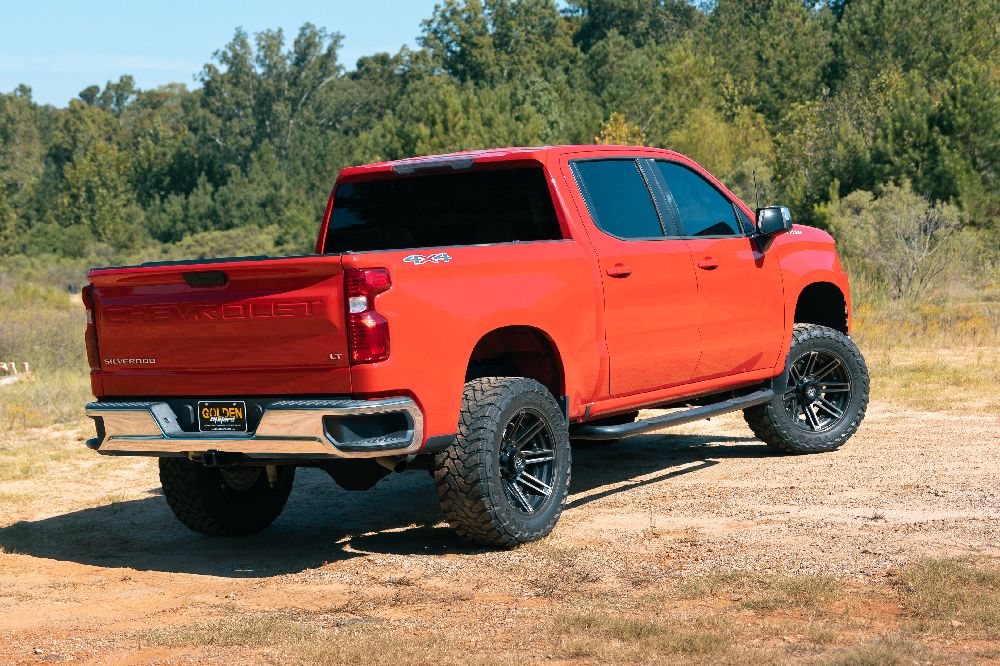
Choosing the right lift depends heavily on how you plan to use your truck.

  • Daily Drivers: A small leveling kit or body lift is usually enough to improve looks and fit slightly larger tires without sacrificing ride quality.

  • Weekend Off-Roaders: A mid-range suspension lift (2–4 inches) strikes a balance between off-road clearance and highway comfort.

  • Dedicated Trail Rigs: Larger suspension lifts (6+ inches) allow massive tires and serious articulation, making them ideal for mud, rocks, and extreme terrain.


Aesthetics and Appearance
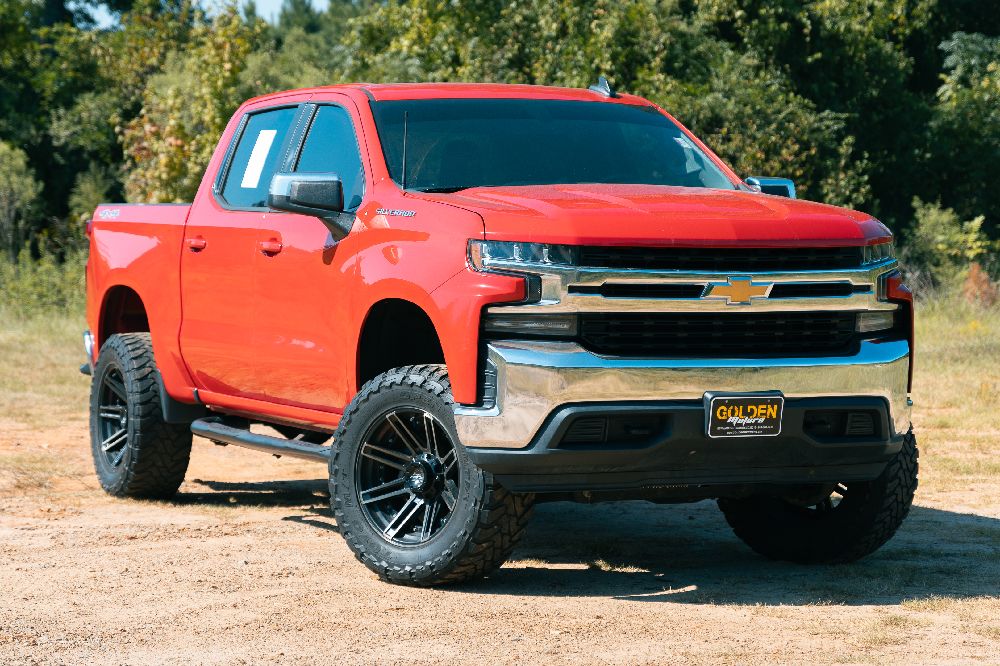
Lift kits instantly change the stance and presence of your truck. Even a modest 2-inch lift makes room for beefier tires and gives a more commanding look. Bigger lifts create a towering, aggressive build that stands out on the road or trail. Consider how much of a statement you want to make—sometimes less is more for a daily-driven truck.


Pricing and Installation

  • Leveling Kits: $100–$300, often DIY-friendly.

  • Body Lifts: $200–$800, moderate installation difficulty.

  • Suspension Lifts: $1,000–$5,000+, with labor costs depending on complexity.

Keep in mind that larger suspension lifts usually require supporting upgrades like extended brake lines, new shocks, and even driveline modifications. Factor these into your budget to avoid surprises.


Things to Consider Before Buying

  • Tire Size: Make sure your lift kit matches the tire size you plan to run.

  • Ride Quality: Larger lifts can stiffen the ride or affect handling.

  • Legal Restrictions: Some states have limits on lift heights—check your local laws.

  • Warranty: Installing a lift may affect your truck’s warranty coverage.
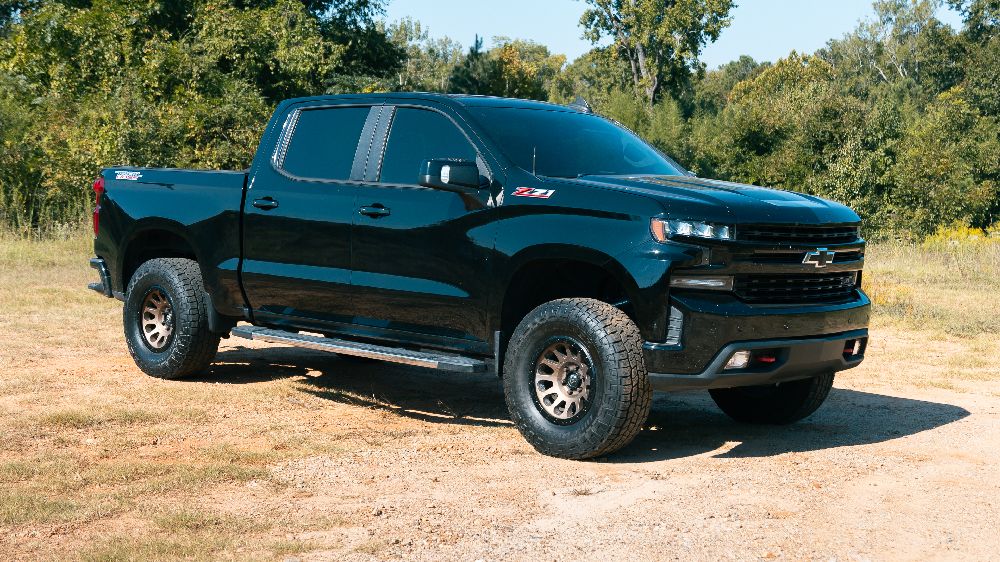

The right lift kit depends on your truck’s purpose. A simple leveling kit can improve stance for budget-conscious daily drivers, while a full suspension lift is the ultimate upgrade for hardcore off-road builds.

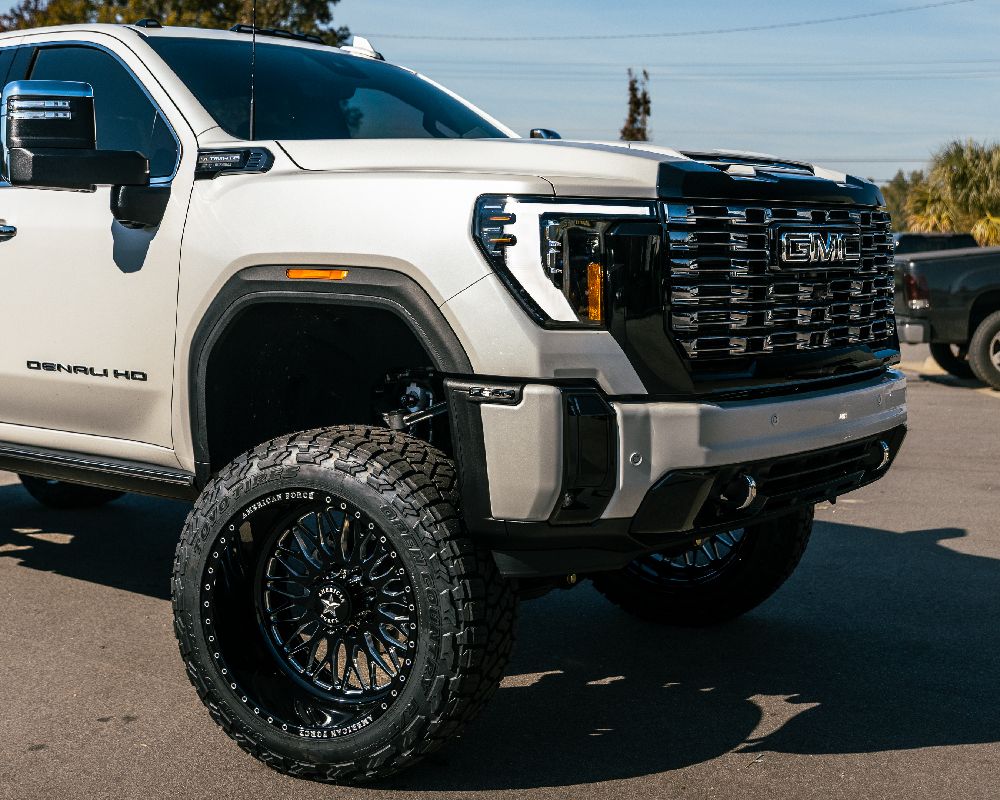
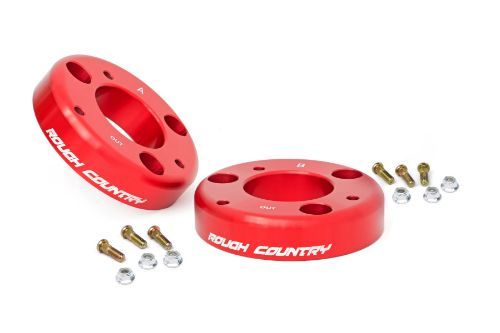
👉 At our shop, we stock leveling kits, body lifts, and suspension lift kits from trusted brands, so no matter your budget or goals, we’ve got the perfect fit to elevate your truck.
Comments (0) details

How to Improve Ground Clearance Without Sacrificing Ride Quality

For off-road enthusiasts, more ground clearance is always a good thing. The higher your truck sits, the easier it is to clear rocks, ruts, mud, and obstacles. But while bigger lifts and massive tires can give you that clearance, they often come at a cost—harsher ride quality, worse handling, and even extra wear on suspension components.

The good news? You don’t have to sacrifice comfort to get the clearance your build needs. With the right upgrades, you can balance off-road performance with a smooth ride.


What You’ll Learn in This Guide

In this article, we’ll cover:

  • The most effective ways to increase ground clearance on a truck.

  • How different upgrades affect your ride quality and drivability.

  • The pros and cons of lift kits, larger tires, and suspension mods.

  • Tips to keep your truck comfortable while still trail-ready.

By the end, you’ll know how to strike the perfect balance between off-road capability and everyday comfort.


Option 1: Leveling Kits

A leveling kit adds 1–2 inches of lift to the front of your truck, eliminating the factory rake.

  • Ground Clearance: Small bump in height, enough for slightly larger tires.

  • Ride Quality: Minimal change to ride feel, especially if paired with quality shocks.

  • Cost: Affordable ($100–$300), and often DIY-friendly.

Perfect for daily drivers that want a subtle lift and more clearance without stiffening the ride.


Option 2: Suspension Upgrades

Suspension lift kits are the most effective way to raise a truck for real off-road use.

  • Ground Clearance: 2–6+ inches, depending on kit.

  • Ride Quality: Quality kits with upgraded shocks (like monotube or coilover systems) actually improve comfort and handling. Cheap kits, however, can make the ride bouncy or harsh.

  • Cost: $1,000–$5,000+ installed, depending on complexity.

If you want both clearance and comfort, invest in a high-quality suspension system rather than budget options.


Option 3: Larger Tires

Bigger tires instantly add ground clearance by increasing the distance from the ground to your axles.

  • Ground Clearance: Every extra inch of tire diameter gives roughly half an inch of added clearance.

  • Ride Quality: Larger tires with higher sidewalls provide better cushioning, but oversized, aggressive mud tires may be noisier on the highway.

  • Cost: $1,000+ for a set of quality off-road tires and wheels.

Great for balancing clearance and comfort if you choose the right tire for your terrain.


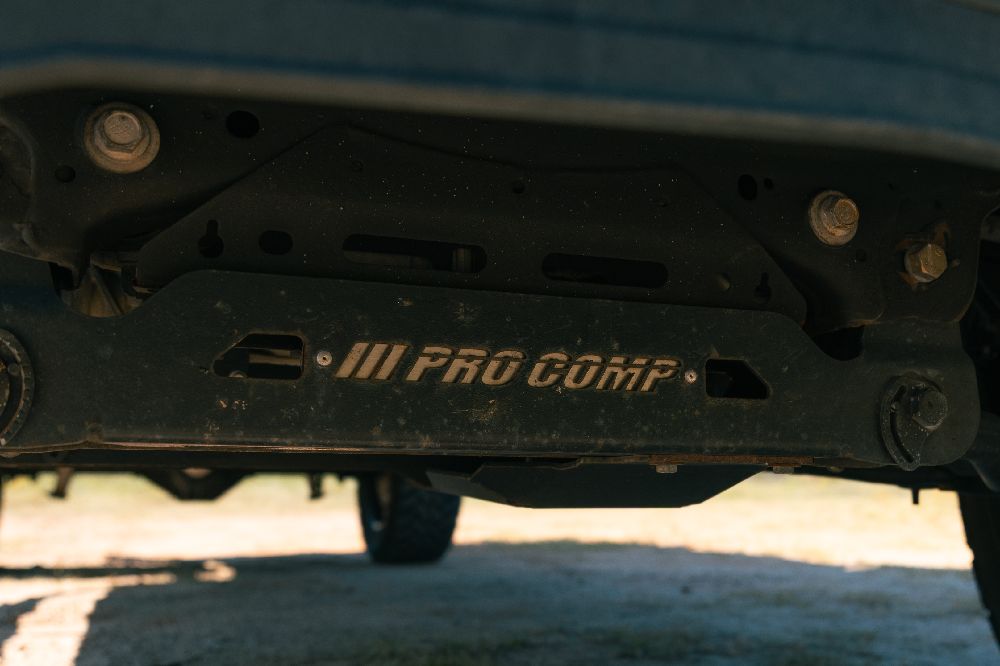
Option 4: Skid Plates and Underbody Protection

While not technically raising clearance, skid plates help you “fake it” by protecting vital components.

  • Ground Clearance: No actual lift, but protects oil pans, transmissions, and differentials when clearance runs out.

  • Ride Quality: No impact on comfort or handling.

  • Cost: $200–$800, depending on material and coverage.

This option is a must-have for serious off-road builds that want to avoid damage without compromising ride quality.


Tips for Balancing Clearance and Comfort

  • Avoid cheap lift kits—invest in quality suspension to keep the ride smooth.

  • Match your tire choice to your driving style (all-terrains for daily drivers, mud-terrains for trail rigs).

  • Consider incremental upgrades—a small lift plus bigger tires often gives better results than one extreme modification.

  • Don’t forget alignment and shocks—these make a huge difference in ride quality after modifications.


Ride High, in Comfort

Improving ground clearance doesn’t mean you have to sacrifice ride quality. A smart combination of suspension upgrades, slightly larger tires, and underbody protection can give you the clearance you need for off-road trails while keeping your truck comfortable on the highway.

👉 At our shop, we carry everything from leveling kits and suspension systems to wheels, tires, and skid plates—so you can build a truck that’s both trail-ready and daily-driver approved.

Comments (0) details

Top 5 Upgrades Every Off-Road Truck Needs for Better Performance

When it comes to off-road trucks, performance is about more than just horsepower. True capability comes from upgrades that help your truck handle rough terrain, stay reliable, and give you the confidence to tackle any trail. The good news? You don’t need to do a full build right away—just a few smart upgrades can make a huge difference.

Here are the top five upgrades every off-road truck should have to perform better on the trail.


What You’ll Learn in This Guide

In this article, we’ll cover:

  • The essential upgrades that improve off-road performance.

  • How each upgrade impacts utility, comfort, and durability.

  • Pricing insights to help plan your build.

  • Why these upgrades make sense for daily drivers and dedicated trail rigs alike.

By the end, you’ll know exactly where to start when upgrading your off-road truck.


1. Suspension Lift Kit

A quality suspension lift kit is the foundation of any off-road build.

  • Utility: Increases ground clearance, improves approach and departure angles, and allows for larger tires.

  • Aesthetics: Instantly gives your truck a more aggressive stance.

  • Pricing: $1,000–$5,000+ depending on brand and complexity.

  • Tire Wear: With proper alignment, wear stays balanced; poor installation can shorten lifespan.

A suspension lift is the upgrade that unlocks most of the truck’s off-road potential.


2. All-Terrain or Mud-Terrain Tires

The right tires are just as important as the right lift.

  • Utility: Provide traction in mud, sand, gravel, and rocky terrain.

  • Aesthetics: Aggressive tread designs transform the look of your truck.

  • Pricing: $1,000+ for a full set of quality off-road tires.

  • Tire Wear: All-terrains wear longer on pavement; mud-terrains wear faster but grip better off-road.

Tires are often the most noticeable performance upgrade, and they’re essential for trail reliability.


3. Off-Road Wheels

Strong wheels keep your tires secure when the terrain gets rough.

  • Utility: Designed to withstand trail abuse, especially with beadlock or beadlock-style options.

  • Aesthetics: Countless finishes and spoke designs let you personalize your build.

  • Pricing: $200–$500 per wheel for alloys; $800+ for forged.

  • Durability: Lighter alloys balance strength and ride comfort, while steel wheels prioritize toughness.

Wheels aren’t just for looks—they’re a functional part of performance.


4. Skid Plates and Armor

Protection upgrades prevent expensive damage on the trail.

  • Utility: Guard vital components like the oil pan, transmission, and fuel tank.

  • Aesthetics: Add a rugged, purpose-built look.

  • Pricing: $200–$800 depending on coverage and material.

  • Durability: High-strength steel or aluminum ensures long-lasting protection.

Think of skid plates as insurance—once you hear that first scrape on the rocks, you’ll be glad you have them.


5. Off-Road Lighting

When the sun goes down, extra lighting is a must.

  • Utility: Improves visibility for night trails, camping, and recovery.

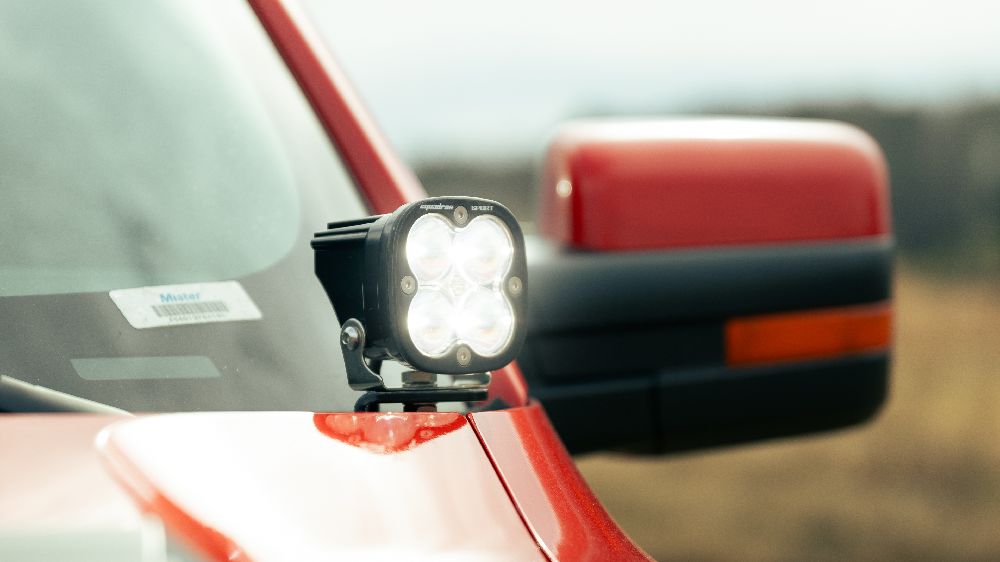
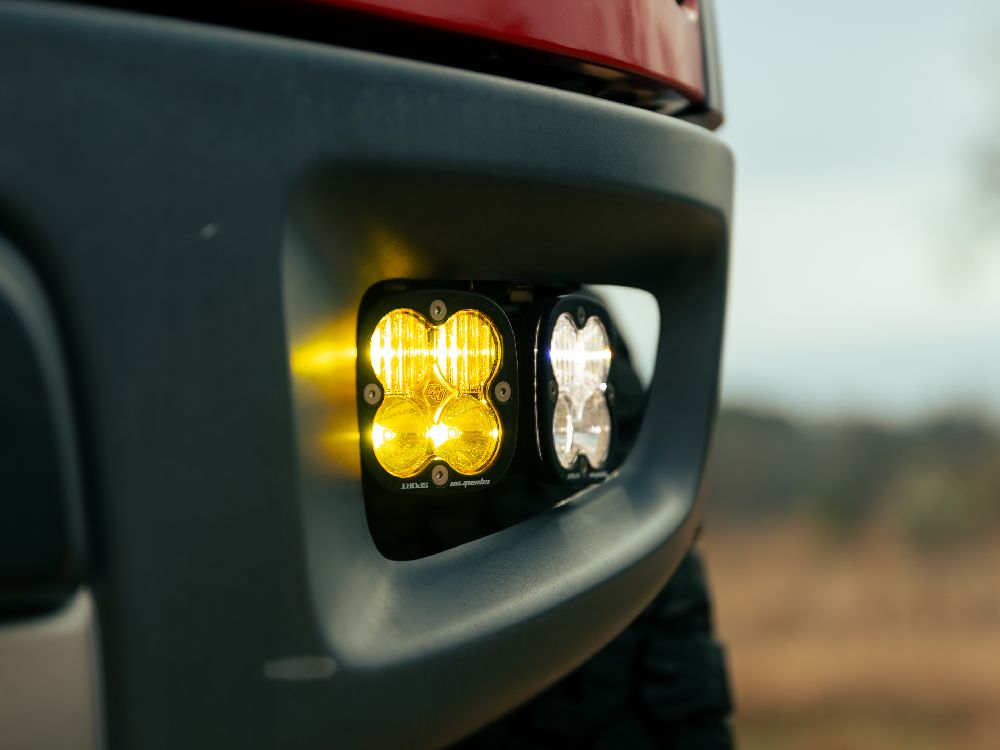
  • Aesthetics: Roof-mounted light bars, bumper pods, or A-pillar floods add aggressive style.

  • Pricing: $200–$1,000+ depending on setup.

  • Durability: LED lights last longer and use less power than halogens.

Spot, flood, or combo beams make night-time off-roading safer and more fun.


Be Prepared

You don’t have to build an off-road monster overnight. Start with the upgrades that matter most—suspension, tires, wheels, armor, and lighting—and you’ll see an immediate improvement in both performance and confidence.

👉 At our shop, we stock suspension kits, tires, wheels, armor, and lighting from the top off-road brands—so whether you’re building a daily driver or a dedicated trail rig, we’ve got the parts to take your truck to the next level.

Comments (0) details

Off-Road Lighting Guide: Spot vs. Flood vs. Combo Beams Explained

When you’re out on the trail after dark, your headlights alone won’t cut it. Off-road lighting is essential for safety, visibility, and performance. But with so many options—spot beams, flood beams, and combo setups—it can be tough to know which is right for your truck.

Each lighting style has a unique purpose, and the best choice depends on how and where you drive. This guide breaks down the differences so you can choose the setup that gives you the clearest view on every adventure.


What You’ll Learn in This Guide

In this article, we’ll cover:

  • The purpose and function of spot beams, flood beams, and combo lights.

  • How each lighting style impacts visibility, distance, and spread.

  • The pros and cons of each beam pattern for different off-road conditions.

  • Practical tips for choosing the right lighting setup for your truck.

By the end, you’ll know which lighting solution—or combination—is right for your build.


Spot Beams

Spot lights are designed to project a narrow, focused beam of light over long distances.

  • Utility: Great for high-speed off-roading, desert runs, or spotting obstacles far down the trail.

  • Beam Pattern: Narrow, with high intensity—ideal for long-range visibility.

  • Aesthetics: Typically mounted on bumpers, light bars, or roof racks for an aggressive look.

  • Pros: Excellent distance coverage, improves reaction time at speed.

  • Cons: Poor side coverage; won’t help much with close-range visibility.


Flood Beams

Flood lights spread light across a wide area, illuminating more of your surroundings at close to mid-range.

  • Utility: Perfect for crawling, camping setups, or trail situations where wide visibility matters more than distance.

  • Beam Pattern: Broad, covering a wide field of view.

  • Aesthetics: Often mounted low on bumpers, A-pillars, or rear racks for area lighting.

  • Pros: Great peripheral visibility, ideal for slow speeds and work lighting.

  • Cons: Limited throw distance; less effective at high speeds.


Combo Beams

Combo lights combine both spot and flood patterns in a single housing, giving you the best of both worlds.

  • Utility: Balanced solution for trucks that see a mix of trail conditions.

  • Beam Pattern: Central spot beam for distance, with side flood optics for width.

  • Aesthetics: Common in light bars and higher-end pod lights, adding both function and style.

  • Pros: Versatile, eliminates the need to choose one or the other.

  • Cons: More expensive, may not be as specialized as standalone spot or flood lights.


Choosing the Right Lighting Setup

The best off-road lighting setup depends on your driving style and environment:

  • High-Speed Trails (desert runs, wide open spaces): Spot beams shine here.

  • Rock Crawling or Slow Technical Driving: Flood beams give the visibility you need.

  • Mixed Use Builds (daily driver + off-road): Combo lights strike the right balance.

For serious off-roaders, combining multiple types—such as a roof-mounted light bar with combo beams and bumper-mounted floods—is often the ultimate solution.


See Where You're Going

Off-road lighting is more than just a cosmetic upgrade—it’s a performance and safety essential. Spot beams, flood beams, and combo lights each have unique strengths, and the right choice depends on your terrain and driving habits.

👉 At our shop, we carry spot, flood, and combo lighting solutions from trusted brands—so whether you’re hitting high-speed desert trails or crawling rocky paths, we’ve got the perfect setup for your truck.

Comments (0) details

The Best Wheels for Off-Road Trucks: Strength, Style, and Performance

Upgrading the wheels on your off-road truck isn’t just about looks—it’s about strength, durability, and performance where it matters most. Whether you’re tackling rocky trails, mud pits, or sandy terrain, the right set of wheels makes all the difference in how your truck performs and how it holds up over time. And of course, the right design can also transform the way your build turns heads.

This guide breaks down the most important factors to consider when choosing off-road wheels, covering utility, style, pricing, and long-term value.


What You’ll Learn in This Guide

In this article, we’ll cover:

  • Why wheel strength and material are critical for off-road use.

  • How different wheel designs and finishes impact the look of your truck.

  • What to know about wheel sizing and fitment for performance and safety.

  • The balance between pricing, durability, and value when shopping for wheels.

By the end, you’ll know how to choose the best wheels for your truck’s purpose—whether it’s a dedicated trail rig, an overlanding build, or a daily driver that sees weekend off-road action.


Wheel Strength and Material

Off-road wheels endure impacts that street wheels never see—rocks, ruts, deep mud, and uneven terrain. That’s why strength is the number one factor when upgrading.

  • Steel Wheels: Known for their toughness and affordability. Steel wheels can bend under heavy impact but are often repairable. They’re heavier, which can reduce fuel efficiency but add stability on tough trails.

  • Alloy Wheels: Lighter and more stylish, alloy wheels improve handling and acceleration. Modern alloys are strong enough for off-road use, but they’re more expensive than steel.

  • Forged Wheels: The strongest and lightest option, but also the most expensive. Forged wheels are perfect for serious off-road builds where strength and performance are top priorities.


Wheel Design and Style

Looks matter, especially when you’re building a truck that stands out. Wheel design can make your truck look aggressive, clean, or purpose-built.

  • Spoke Patterns: More spokes often mean more strength, while fewer spokes create a bold, rugged appearance.

  • Beadlock-Style Wheels: Designed to keep tires secure at low air pressure, true beadlocks are trail-focused. Many brands also offer beadlock-style wheels that give the look without the DOT restrictions.

  • Finishes: Black, bronze, machined, and custom finishes let you match your wheels to your truck’s overall aesthetic. Matte and satin finishes hide dirt better than glossy ones—great for trucks that actually hit the trails.


Wheel Sizing and Fitment

Choosing the right size is critical for performance, safety, and avoiding clearance issues.

  • Diameter: Smaller wheels (like 16"–17") with larger tires offer better off-road performance and sidewall flex. Larger wheels (20"+) look aggressive but sacrifice off-road function for style.

  • Width: Wider wheels allow for bigger tires but may cause rubbing if not paired with the right offset.

  • Offset and Backspacing: Getting offset right ensures clearance for suspension and steering components. The wrong fitment can cause handling issues or even damage.


Pricing, Durability, and Long-Term Value

  • Steel Wheels: Most affordable ($100–$200 each), durable, but heavy.

  • Alloy Wheels: Mid-range ($200–$500 each), lighter, stylish, and strong enough for most builds.

  • Forged Wheels: Premium ($800–$2,000 each), unmatched in performance and durability, but priced for serious enthusiasts.

When choosing, factor in not just cost, but the value over time. A strong wheel that prevents a trail failure is worth the investment.

Wheel TypeStrength & DurabilityWeightStyle & AestheticsPrice RangeBest For
Steel WheelsVery strong, can bend but repairableHeavySimple, rugged look$100–$200 eachBudget builds, trail abuse
Alloy WheelsStrong, durable for most off-road useModerateWide range of styles and finishes$200–$500 eachDaily drivers, weekend off-roaders
Forged WheelsStrongest, most durableLightestPremium, custom designs$800–$2,000 eachHigh-performance builds, serious off-road enthusiasts

Get the Ball Rolling!

The best wheels for your off-road truck depend on how you use it. If you’re building a trail rig on a budget, steel wheels are a reliable choice. For daily drivers and weekend warriors, alloy wheels strike the right balance between strength, performance, and style. And if you want the absolute best in durability and weight savings, forged wheels are unmatched.

👉 At our shop, we carry a wide range of off-road wheels in every size, style, and finish—so whether you’re after rugged reliability or head-turning design, we’ve got the perfect set for your truck.

Comments (0) details