Blog

5 Common Off-Road Mistakes Beginners Make (And How to Avoid Them)

Off-roading is one of the most rewarding hobbies you can get into. The mix of adventure, challenge, and freedom makes it addictive—but it also comes with risks if you’re not prepared. Every experienced driver has made a few rookie mistakes on the trail, but learning from them early can save you time, money, and even your vehicle.

This guide breaks down five of the most common mistakes new off-roaders make—and how you can avoid them to keep your adventures safe, smooth, and fun.


What You’ll Learn in This Guide

In this article, you’ll learn:

  • The top five beginner mistakes that can damage your truck or ruin your trip.

  • How to properly prepare your vehicle and gear for off-roading.

  • Why overconfidence and lack of maintenance cause the most trail trouble.

  • Practical tips to prevent costly breakdowns and keep your rig reliable.

By the end, you’ll know how to hit the trail with confidence—and avoid the mistakes that most new off-roaders make.


1. Forgetting to Air Down Tires

One of the easiest and most common mistakes beginners make is running full tire pressure off-road.

  • Why It’s a Problem: Fully inflated tires reduce traction, increase the chance of punctures, and make the ride harsher.

  • The Fix: Air down to around 15–20 PSI for most trails (or lower for sand). Just don’t forget to bring a portable air compressor for the trip back.

  • Pro Tip: Invest in a tire deflator kit—fast, simple, and a game-changer for traction.


2. Ignoring Vehicle Maintenance

Trail trouble often starts long before you leave the pavement.

  • Why It’s a Problem: Worn fluids, loose bolts, and weak suspension components can fail under off-road stress.

  • The Fix: Perform a pre-trip inspection—check fluids, brakes, suspension, and torque key bolts.

  • Pro Tip: Schedule regular maintenance if you off-road frequently; it’s cheaper than trailside repairs.


3. Driving Too Fast

Speed might feel thrilling—but it’s one of the quickest ways to break something.

  • Why It’s a Problem: Hitting obstacles too fast can bend control arms, blow shocks, or damage tires.

  • The Fix: Drive slow and steady. Crawl over obstacles; don’t power through them.

  • Pro Tip: Use low-range gearing whenever possible. It gives you more torque and better control.


4. Skipping Recovery Gear

Getting stuck is part of off-roading—but being unprepared is optional.

  • Why It’s a Problem: Without recovery gear, one small mistake can turn into hours of waiting.

  • The Fix: Always carry a basic recovery kit—tow straps, shackles, traction boards, and a shovel.

  • Pro Tip: Add a winch if you wheel solo. It’s the ultimate self-recovery tool.


5. Overestimating Your Vehicle (and Yourself)

Confidence is good. Overconfidence breaks things.

  • Why It’s a Problem: Many new drivers underestimate how tough terrain can be—or overestimate their truck’s clearance and traction.

  • The Fix: Learn your limits. Start with easy trails and work your way up. Know your vehicle’s clearance, approach, and departure angles.

  • Pro Tip: Go with experienced friends or join a local off-road club—you’ll learn faster and safer.


Final Thoughts

Off-roading isn’t just about having the right parts—it’s about having the right mindset. The best drivers know their rigs, respect the terrain, and come prepared. Avoid these five beginner mistakes, and you’ll save your truck (and your wallet) from unnecessary damage while enjoying every trip with confidence.

👉 At our shop, we stock the essentials that keep you prepared—air compressors, recovery gear, skid plates, and off-road accessories—so you can explore with peace of mind and never get caught off guard on the trail.
Comments (0) details

All-Terrain vs. Mud-Terrain Tires: Which Is Better for Overlanding?

When it comes to overlanding, your tires are one of the most important choices you’ll make. They determine not only how well your vehicle performs off-road, but also how comfortable and efficient it is during long highway stretches between destinations.

Two tire types dominate the conversation: all-terrain (A/T) and mud-terrain (M/T). Both have their strengths, but they serve different purposes. If you’re planning an overland trip, choosing the right one can mean the difference between a smooth adventure and a stressful slog.

Let’s break down the pros and cons of each and help you find the perfect setup for your build.


What You’ll Learn in This Guide

In this article, we’ll cover:

  • How all-terrain and mud-terrain tires differ in design and performance.

  • The advantages and drawbacks of each for overlanding and mixed-use driving.

  • Key factors like tread wear, noise, comfort, and fuel economy.

  • Recommendations for who should choose which tire type.

By the end, you’ll know exactly which tire suits your overlanding setup best.


All-Terrain Tires: The Balanced Performer

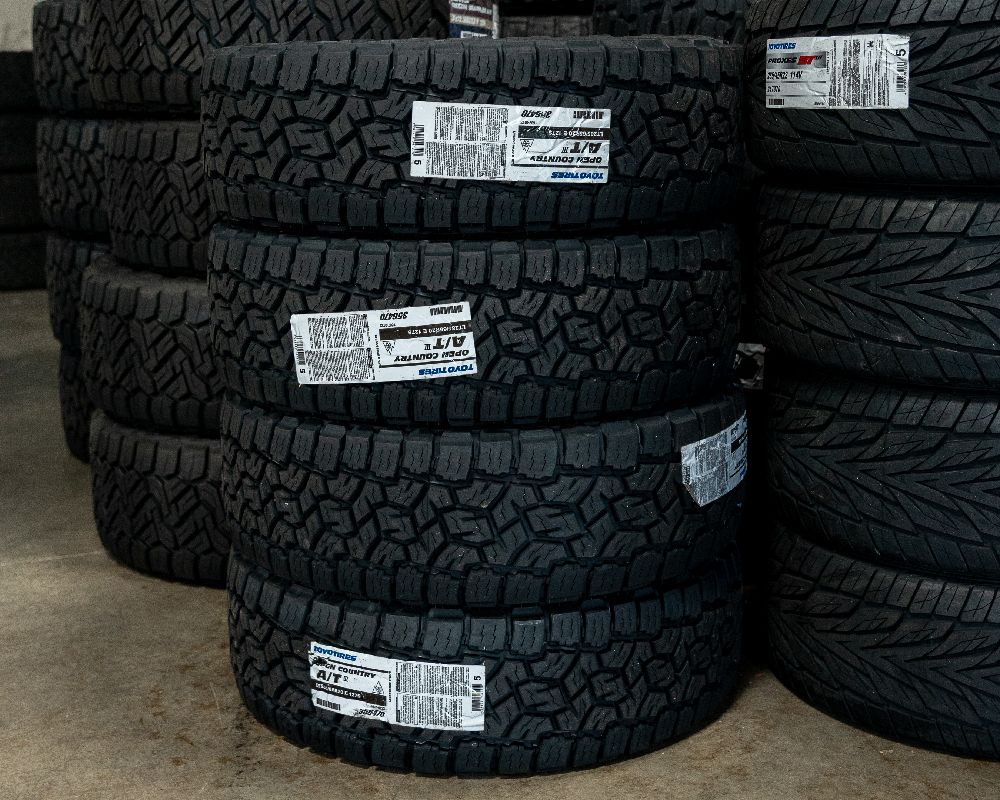
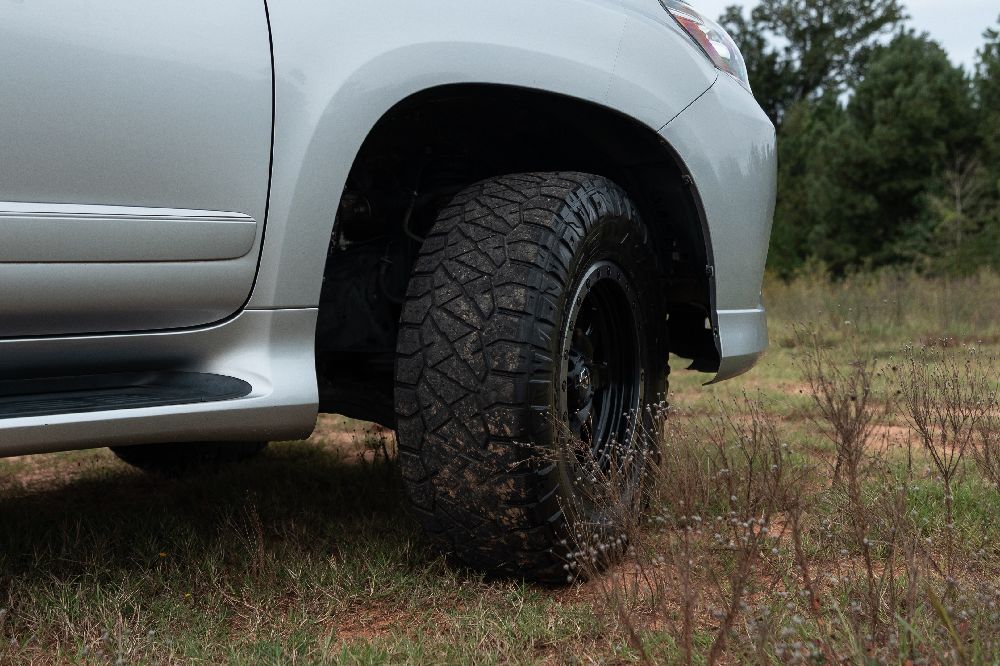
All-terrain tires are built for drivers who split time between pavement and dirt. They’re designed to handle mild off-road terrain while remaining quiet and comfortable on the highway.

  • Utility: Excellent for long-distance travel where you’ll see a mix of pavement, gravel, and light trails.

  • Aesthetics: Rugged tread gives your vehicle a capable look without going overboard.

  • Performance: Great traction on dirt and gravel; adequate in light mud and sand.

  • Comfort: Quieter and smoother on pavement, ideal for long road days.

  • Tread Life: Typically lasts longer due to a harder rubber compound.

Best for: Daily-driven trucks and SUVs that spend 70–80% of their time on-road but still need trail capability.


Mud-Terrain Tires: The Off-Road Specialist

Mud-terrain tires are built for maximum grip in the toughest off-road environments—deep mud, rocks, and sand.

  • Utility: Superior traction in wet, muddy, or rocky conditions.

  • Aesthetics: Aggressive tread and sidewall lugs give a true off-road look.

  • Performance: Excellent in mud and loose terrain but can feel rough on pavement.

  • Comfort: Louder and stiffer on the highway compared to all-terrains.

  • Tread Life: Softer compounds mean faster wear, especially on long road trips.

Best for: Dedicated off-road builds or overlanders who explore rugged, remote trails where traction matters most.


Overlanding Tire Comparison

FeatureAll-Terrain TiresMud-Terrain Tires
Traction (Dirt/Gravel)ExcellentExcellent
Traction (Mud/Sand)ModerateSuperior
Road NoiseQuietLoud
ComfortSmoothRougher ride
Fuel EconomyBetterWorse
Tread LifeLongerShorter
Best ForDaily drivers and mixed terrainRemote trails and extreme terrain

Choosing the Right Tire for Your Overland Rig

When deciding between A/T and M/T tires, think about where you’ll spend most of your time.

  • Mostly Pavement and Light Trails: Go with all-terrain tires. They’re efficient, quiet, and last longer—perfect for long road trips and mild trails.

  • Rough Trails and Technical Terrain: Mud-terrains are worth the trade-off. They offer unbeatable grip and toughness for backcountry travel.

  • Balanced Builds: Some overlanders keep two sets—A/Ts for daily use and M/Ts for serious trips. It’s more expensive but ensures the best of both worlds.


Find What Works for You

There’s no one-size-fits-all answer to the A/T vs. M/T debate. For overlanding, all-terrains often make the most sense due to their versatility, longevity, and comfort on long drives. But if your adventures take you deep into rugged, muddy, or rocky territory, mud-terrains deliver the grip and confidence you’ll need.

👉 At our shop, we carry a full lineup of all-terrain and mud-terrain tires from the top off-road brands—so whether your overland trips stick to gravel roads or push deep into the wild, we’ve got the perfect tires to get you there and back safely.

Comments (0) details

Pre-Trip Off-Road Inspection Checklist: What to Check Before You Hit the Trail

Before every off-road trip, there’s one upgrade that costs nothing but can save you hundreds in repairs: a thorough pre-trip inspection. Even the most capable trucks can break down or get damaged if key systems aren’t checked ahead of time. Whether you’re heading to a local trail or on an overlanding adventure, this quick checklist ensures your truck is ready for whatever the trail throws your way.


What You’ll Learn in This Guide

In this article, we’ll cover:

  • The critical systems and components to inspect before off-roading.

  • How to spot common wear and tear issues before they become trail failures.

  • Why regular inspections improve safety, reliability, and confidence on the trail.

  • The essential tools and gear you should always bring along.

By the end, you’ll have a complete pre-trip inspection checklist you can follow before every off-road adventure.


1. Check Fluids and Filters

Fluids are the lifeblood of your truck, especially when it’s pushed off-road.

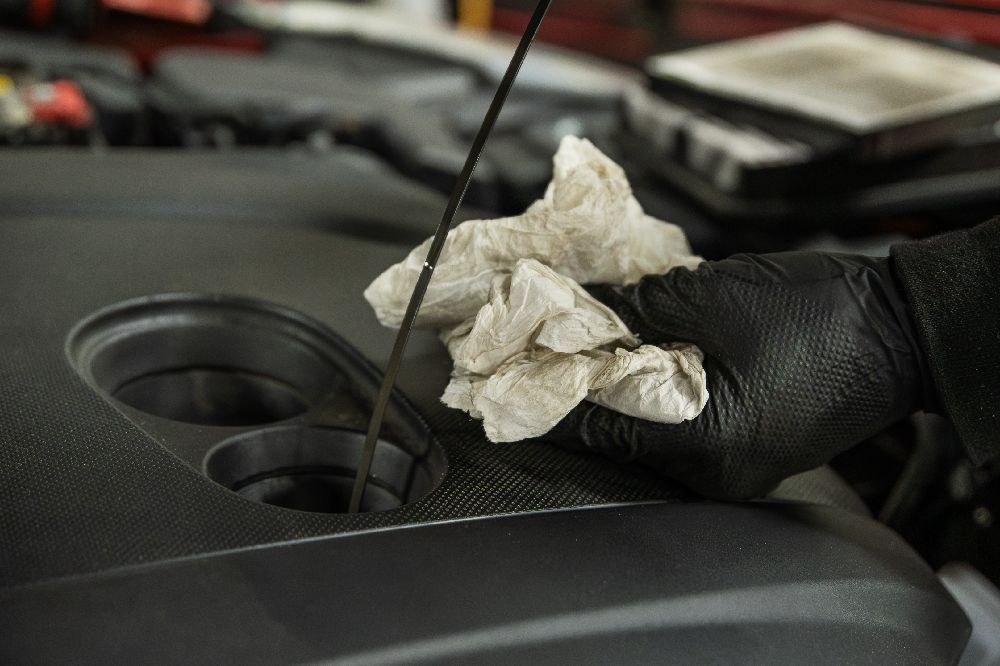
  • Engine Oil: Make sure it’s clean and at the correct level. Replace it early if you’ve recently tackled dusty or muddy trails.

  • Coolant: Ensure it’s full and not leaking—overheating is one of the most common off-road issues.

  • Transmission and Differential Fluid: Check for leaks or contamination, especially after water crossings.

  • Air Filter: Dust and dirt clog filters quickly—replace or clean before a long trip.

Keeping fluids fresh and filters clean ensures your truck performs reliably under stress.


2. Inspect Tires and Wheels

Your tires take the most abuse off-road, so give them extra attention.

  • Tread Depth: Replace worn tires before they lose grip.

  • Air Pressure: Adjust for terrain—lower for sand or rocks, higher for pavement.

  • Damage Check: Look for punctures, sidewall cuts, or bent wheels.

  • Lug Nuts: Tighten all to spec before heading out.

A quick tire and wheel check can prevent flats and improve traction when it matters most.


3. Examine Suspension and Steering

These components take a beating on rough terrain.

  • Shocks and Struts: Check for leaks, damage, or uneven wear.

  • Control Arms and Bushings: Look for cracks or looseness.

  • Ball Joints and Tie Rods: Wiggle test to detect play that could affect steering precision.

If something feels off, fix it before your trip—suspension failures can end a trail day early.


4. Test Brakes and Drivetrain

Reliable braking and drivetrain systems are critical for trail safety.

  • Brake Pads and Rotors: Inspect for wear and clean mud buildup.

  • Brake Lines: Look for cracks or leaks, especially near the calipers.

  • Driveline Components: Check U-joints, CV joints, and driveshafts for grease leaks or looseness.

  • 4WD System: Engage it before your trip to ensure it works properly.

You don’t want to discover a stuck hub or failed joint halfway up a hill.


5. Review Recovery Gear and Tools

Even well-prepped trucks get stuck. Make sure your recovery gear is ready to go.

  • Recovery Straps and Shackles: Inspect for fraying or rust.

  • Winch: Test power, spool, and controls before hitting the trail.

  • Traction Boards: Check for cracks or wear.

  • Tool Kit and Spare Parts: Bring basics like sockets, pliers, fluids, and fuses.

Being prepared means small problems don’t ruin big adventures.


6. Check Lights, Battery, and Electrical Systems

Visibility and power are key for night runs or long trips.

  • Headlights, Fog Lights, and Light Bars: Test and clean lenses.

  • Battery: Tighten terminals and ensure no corrosion is present.

  • Wiring: Inspect light harnesses, winch lines, and accessories for exposed wires or loose connectors.

A strong electrical system keeps your accessories running and prevents trail downtime.


7. Inspect Armor and Undercarriage

If you’ve installed skid plates or bumpers, give them a once-over.

  • Skid Plates: Tighten bolts and look for dents or rust.

  • Bumpers and Rock Sliders: Check welds and hardware.

  • Frame and Undercarriage: Rinse mud and inspect for cracks or rust buildup.

A clean, solid undercarriage protects your truck’s most important parts when the terrain gets rough.


8. Double-Check Safety Gear

Safety gear isn’t optional—it’s essential.

  • First Aid Kit: Replenish supplies.

  • Fire Extinguisher: Make sure it’s charged and accessible.

  • Radio or GPS: Test communication devices before leaving cell range.

  • Seatbelts and Mounts: Inspect for fraying or looseness.

Preparedness is what separates a fun trip from a risky one.


Measure Twice, Cut Once

A pre-trip inspection doesn’t just prevent breakdowns—it builds confidence. Spending a few minutes checking fluids, tires, suspension, and recovery gear can save you hours of frustration on the trail. The more you maintain and inspect your truck, the more dependable it’ll be on every adventure.

👉 At our shop, we carry everything you need to prep for your next trip—fluids, filters, recovery gear, lighting, and protection parts—so you can hit the trail with peace of mind.

Comments (0) details

The Best Off-Road Mods for Daily Drivers

Not every off-road truck build needs to be extreme. For many owners, their truck has to pull double duty—serving as a comfortable daily driver during the week and a capable trail machine on the weekends. The good news is that you don’t have to sacrifice one for the other. With the right upgrades, you can make your truck more capable off-road without ruining its comfort, drivability, or fuel economy on the street.

This guide breaks down the best off-road modifications that strike the perfect balance between daily comfort and weekend adventure.


What You’ll Learn in This Guide

In this article, we’ll cover:

  • Practical upgrades that enhance off-road performance without hurting on-road comfort.

  • How these mods improve utility, appearance, and reliability.

  • Budget ranges for each mod so you can plan upgrades strategically.

  • Why these modifications work well for daily-driven trucks.

By the end, you’ll know exactly which mods make sense for a dual-purpose build.


1. Leveling Kit or Mild Suspension Lift

A small lift is one of the best ways to improve off-road capability without overdoing it.

  • Utility: Increases ground clearance and allows for slightly larger tires.

  • Aesthetics: Eliminates factory rake and gives the truck a more aggressive, even stance.

  • Pricing: $100–$300 for leveling kits; $1,000+ for mild suspension lifts.

  • Comfort: Quality kits won’t negatively impact daily ride quality.

This is a practical, budget-friendly mod that sets the foundation for other upgrades.


2. All-Terrain Tires

Tires make or break an off-road build, and A/T tires are ideal for daily drivers.

  • Utility: Excellent balance between highway comfort and trail traction.

  • Aesthetics: Aggressive tread design improves the look of your truck without excessive road noise.

  • Pricing: $800–$1,500+ for a quality set.

  • Durability: A/Ts wear well on pavement and hold up on dirt, gravel, and light mud.

They’re the single biggest performance upgrade you can make for both on- and off-road driving.


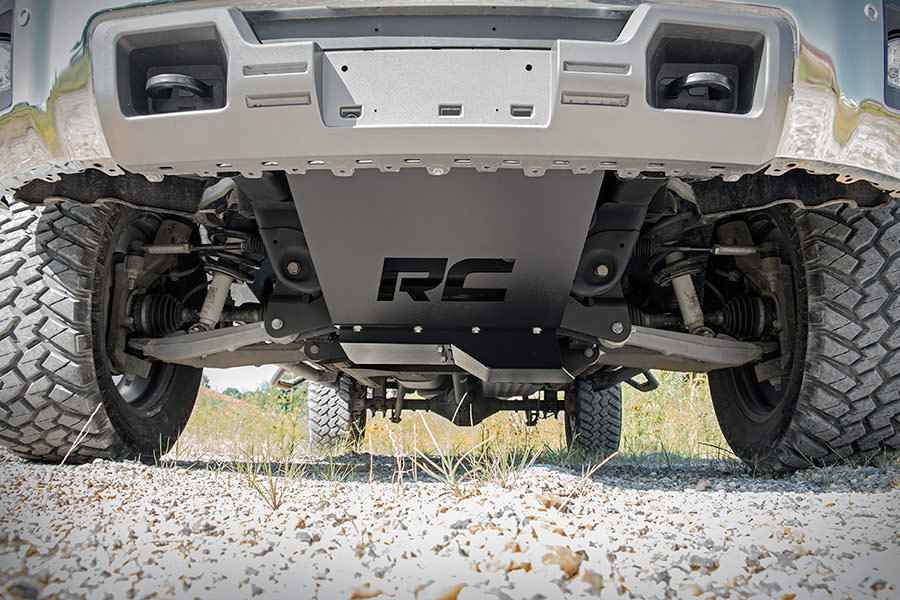
3. Skid Plates and Basic Protection

You don’t need to armor your entire truck for daily use, but some protection goes a long way.

  • Utility: Shields key components like the oil pan, transmission, and fuel tank.

  • Aesthetics: Adds a subtle but rugged touch to your build.

  • Pricing: $200–$600 depending on coverage.

  • Durability: Aluminum or steel plates give peace of mind without adding too much weight.

A little armor can prevent expensive damage during weekend trail runs.


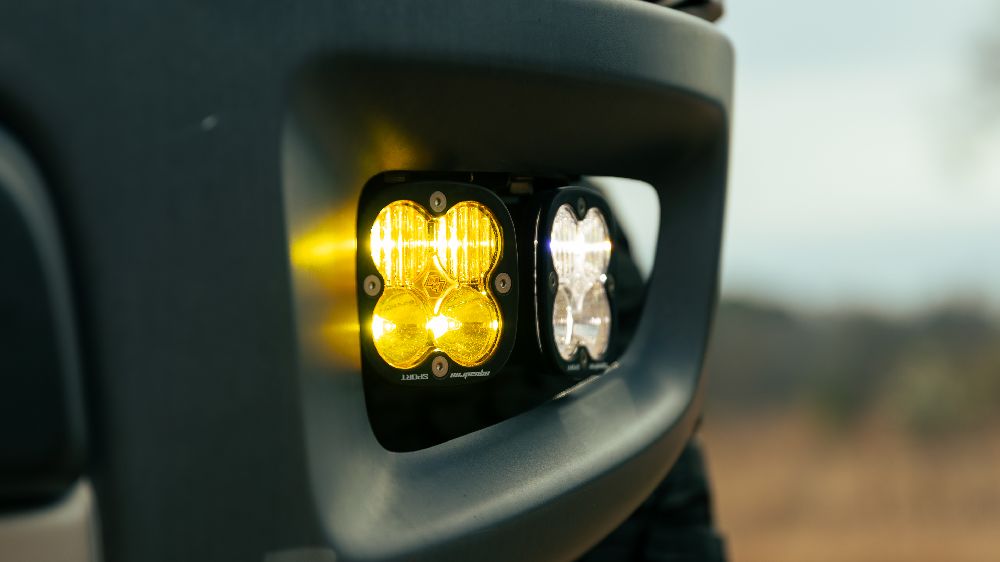
4. Lighting Upgrades

Good lighting is useful for more than just night runs—it’s great for camping, job sites, and rural driving too.

  • Utility: Spot, flood, or combo beams dramatically improve visibility.

  • Aesthetics: LED pods, A-pillar mounts, and light bars give your truck a clean, functional look.

  • Pricing: $200–$1,000 depending on configuration.

  • Durability: LEDs are energy-efficient and long-lasting.

Lighting upgrades are one of the most practical mods for trucks that split time between road and trail.


5. Recovery Essentials

Even if you’re not rock crawling, getting stuck happens. Having basic recovery gear can make all the difference.

  • Utility: Traction boards, straps, and shackles are lightweight but incredibly useful.

  • Aesthetics: Function-focused; doesn’t change your truck’s appearance but adds preparedness.

  • Pricing: $50–$300 depending on gear.

  • Durability: Quality gear lasts for years and can save your trip.

Recovery gear is like insurance—you hope you won’t need it, but you’ll be glad you have it.


Over Prepare Under Budget

The best off-road mods for daily drivers focus on balance. Leveling kits, all-terrain tires, basic protection, lighting upgrades, and recovery gear all improve capability without sacrificing ride quality or daily drivability. These upgrades set the stage for future mods while making your truck trail-ready today.

Comments (0) details

The Ultimate Beginner’s Guide to Off-Roading: Must-Have Parts and Accessories

Off-roading is one of the most exciting ways to enjoy your truck. Whether you’re crawling over rocks, splashing through mud, or exploring backcountry trails, building your truck for adventure is half the fun. But if you’re new to off-roading, the world of parts and accessories can feel overwhelming.

This beginner’s guide breaks down the must-have upgrades that will make your truck capable, reliable, and safe when you head off the pavement.


What You’ll Learn in This Guide

In this article, we’ll cover:

  • The essential parts every beginner needs for off-roading.

  • How upgrades like tires, suspension, and recovery gear improve performance.

  • The role of protection and lighting accessories on the trail.

  • Budget-friendly ways to start upgrading your truck.

By the end, you’ll have a clear roadmap for building a trail-ready truck without overspending.


1. All-Terrain or Mud-Terrain Tires

Tires are the foundation of off-road performance.

  • Utility: All-terrain tires balance daily driving with weekend trail use, while mud-terrains grip better in tough conditions like mud and rocks.

  • Aesthetics: Aggressive tread instantly makes your truck look more rugged.

  • Pricing: $800–$1,500+ for a quality set.

  • Durability: A/Ts wear longer on pavement; M/Ts wear faster but excel off-road.

Start here—nothing transforms capability like the right tires.


2. Suspension Lift or Leveling Kit

Adding ground clearance makes off-roading safer and more fun.

  • Utility: A lift or leveling kit helps clear obstacles and makes room for bigger tires.

  • Aesthetics: Instantly changes your truck’s stance and trail presence.

  • Pricing: $200 for leveling kits; $1,000+ for suspension lifts.

  • Ride Quality: Higher-quality kits maintain comfort; cheap ones can feel harsh.

This is one of the most popular first upgrades for beginners.


3. Skid Plates and Armor

Trail damage is a real risk, but protection keeps your truck safe.

  • Utility: Shields your oil pan, transmission, and fuel tank from rocks and stumps.

  • Aesthetics: Gives your truck a purpose-built look.

  • Pricing: $200–$800 depending on coverage.

  • Durability: Aluminum for lighter builds, steel for maximum toughness.

A must-have if you plan on rocky or technical trails.


4. Recovery Gear

Every off-roader gets stuck eventually—be prepared.

  • Utility: Tools like recovery straps, shackles, traction boards, and a winch help you get unstuck.

  • Aesthetics: Recovery gear is functional, but a bumper-mounted winch also looks aggressive.

  • Pricing: $50 for basic straps; $500–$1,500+ for winches.

  • Durability: Invest in high-quality straps and shackles—they’re your lifeline.

Recovery gear is as important as performance upgrades for beginners.


5. Off-Road Lighting

When the sun goes down, stock headlights aren’t enough.

  • Utility: Spot, flood, or combo lights illuminate trails, campsites, and recovery situations.

  • Aesthetics: Roof bars and bumper-mounted pods add rugged style.

  • Pricing: $200–$1,000 depending on setup.

  • Durability: LED lights are efficient and long-lasting.

Lighting is both a performance and safety upgrade, making it ideal for new off-roaders.


Budget-Friendly Accessories

Not every upgrade has to break the bank. Affordable but useful accessories include:

  • Floor liners and seat covers (protect your interior from mud).

  • Portable air compressors (reinflate tires after airing down).

  • Basic tool kits (trail repairs happen more often than you think).

These small upgrades make off-roading easier and extend your truck’s lifespan.


Slowly but Surely

Off-roading doesn’t have to be intimidating for beginners. Start with the basics—tires, suspension, protection, recovery gear, and lighting—and you’ll have a capable, reliable build that’s ready for adventure. From there, you can expand into more advanced upgrades as your skills and confidence grow.

👉 At our shop, we carry beginner-friendly off-road parts and accessories, from tires and lift kits to lighting and recovery gear. Whatever your budget or build, we’ll help you hit the trail with confidence.

Comments (0) details